
In the Lipetsk region counted more than 3 800 homeless animals
The main figure of the day is that in the Lipetsk region today there are more than 3,800 street animals, and since the beginning of 2026 1,585 individuals have been caught without owners
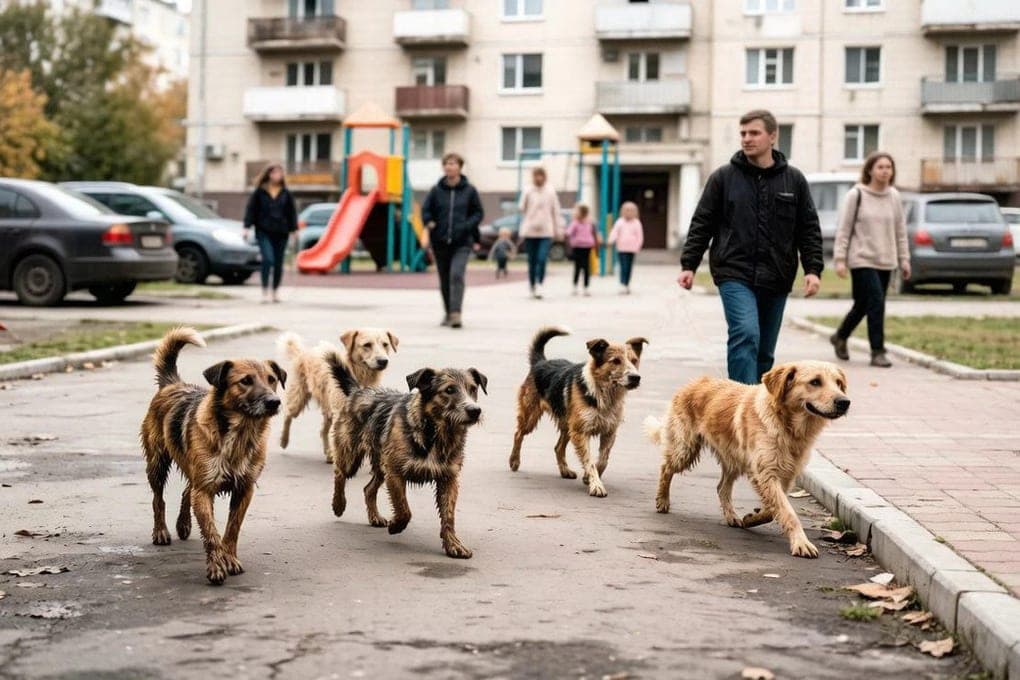
The main figure of the day – in the Lipetsk region today more than 3 800 stray animals, and since the beginning of 2026 caught already 1,585 individuals without owners.
These data were presented by the environmental committee of the regional council chaired by Roman Arzumanov at the first meeting, where they examined the situation with the treatment of stray animals. This was reported in the regional parliament.
What's behind the catch statistics is a separate story. The new owners were 354 animals, another 1,182 returned to their former habitat. Thirty individuals died, and 23 animals with signs of unmotivated aggressiveness had to be euthanized. Separately, the department cited data on attacks: 913 cases involving street animals and 1,035 cases involving hosts.
Four contractors are fishing in the region - from the Lipetsk, Tambov and Voronezh regions. The head of the regional veterinary department Mikhail Andreev said that in 2026, six inspections of local self-government bodies were carried out, following which four orders were issued to eliminate violations.
Municipalities, according to Roman Arzumanov, are looking for new owners of animals: since the beginning of the year, a quarter of those caught have been added. The heads are sent recommendations - to quickly catch animals, look for owners, prevent the appearance of aggressive animals in public places and conduct educational work.
The pilot project of the Ministry of Digital Affairs of Russia “State for People” should help in accounting. Within its framework, the service “My Pet” is being introduced: it will collect data on the treatment of animals, allow you to apply for catching through the Unified Public Services Portal and track the dynamics of the number of homeless people. In addition, the service will help assess the effectiveness of measures in urban and municipal districts and analyze the causes of the emergence of flocks.


