In the suburbs processed from hogweed more than 2 thousand hectares of forest
Forests of the Moscow region got rid of hogweed Sosnovsky on an area of more than 2 thousand
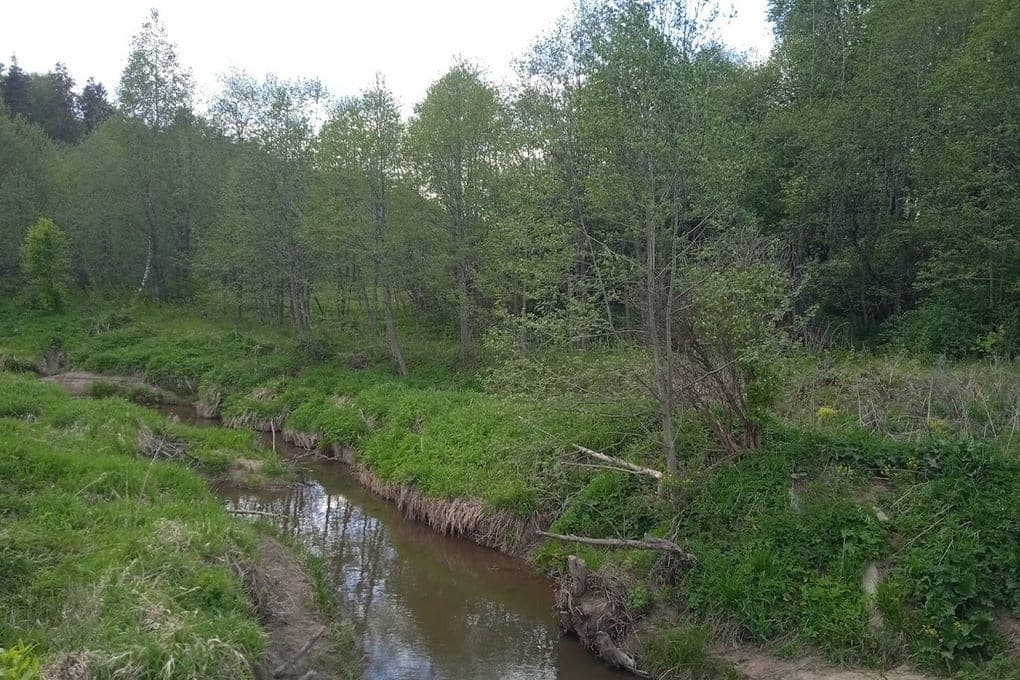
Forests of the Moscow region got rid of hogweed Sosnovsky on an area of more than 2 thousand hectares. As specified in the regional Komleskhoz, it is almost 2.5 times higher than the result of last season.
The main load was taken over by the specialists of GAU MO Mosoblles. The largest volume fell on three branches - Istra, Klinsky and Zvenigorod. The works covered Istra, Krasnogorsk, Klin, Solnechnogorsk, Khimki, Odintsovo and Ruz districts.
In protective forests, herbicides are prohibited, so only mowing is used. During the season, the grass undergoes three treatments - before flowering, with breaks of three to four weeks.
Hogweed juice accumulates furocumarins - substances that make the skin vulnerable to the sun. At first, a person does not feel anything, and after a few hours he receives a burn up to the third degree: blisters, itching, dark spots that do not come down for a long time. Juice is especially dangerous for children, and pollen can provoke choking in allergic people.
For the ecosystem, this is not just a weed, but an invader. One bush disperses up to 118,000 seeds that grow in the soil up to 15 years. Where it has taken root, meadow and medicinal herbs disappear, a young forest dies, and a weak root system accelerates the erosion of river banks.
Since March 2026, Federal Law No. 294-FZ of 31.07.2025 has been in force. Now landowners are obliged to destroy dangerous invasive species themselves - Sosnovsky's hogweed and Yasenelite maple were included in the list.
Violators are punished under Article 8.7 of the Administrative Code of the Russian Federation. Citizens will pay from 20 thousand to 50 thousand rubles, officials - from 50 thousand to 100 thousand, organizations - from 400 thousand to 700 thousand rubles.