
In Severodvinsk, a visiting meeting on housing maintenance was held
Head of the State Housing Inspectorate of the Arkhangelsk region Irina Zamyatina held a visiting meeting with municipal management organizations of Severodvinsk
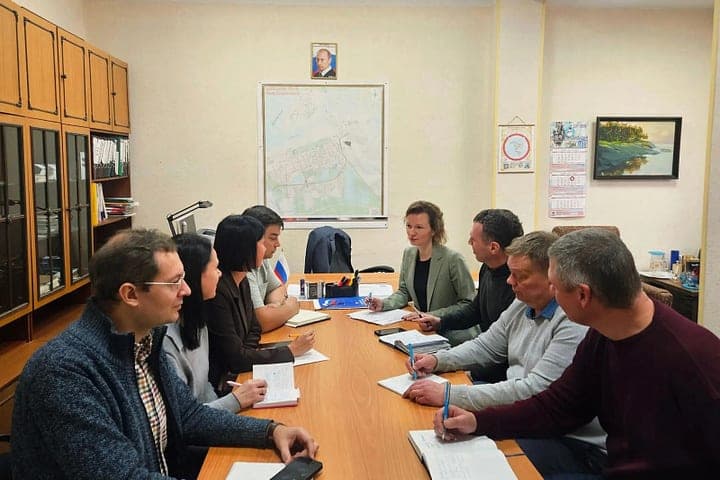
Head of the State Housing Inspectorate of the Arkhangelsk region Irina Zamyatina held a visiting meeting with municipal management organizations of Severodvinsk.
During the meeting, the key requirements of the current legislation regarding the maintenance of common property of owners in apartment buildings, as well as the rights and obligations of management organizations and the procedure for providing utilities were considered. Separately, the participants discussed typical violations committed in 2026 and the current judicial practice.
The main emphasis was made on the timely elimination of roof leaks - it is with this problem that most of the complaints of Severodvinsk residents coming to the GZHI are associated. It was also about dispatching services: the response time to emergency requests is strictly regulated and must be observed.
The interaction of management companies with the Capital Repair Fund was also discussed. The Criminal Code needs to prepare the house for work - for example, to drain the basement so that the contractor can begin repairs, and during the warranty period to identify shortcomings after overhaul, including the appeals of residents.
Many questions were raised about the contents of the yard passages. “The responsibility lies with those who own the territory. If the territory is formed in such a way that the yard passage refers to an apartment building, then all the costs of its maintenance are borne by the owners of the house. If the land belongs to the municipality, then its repair and cleaning are provided by local governments, said Irina Zamyatina.
The head of the inspection stressed the importance of interaction with residents in the GIS of housing and communal chat rooms: sometimes it is enough to give an interim answer about the work being carried out and the reasons for the delay in repairs (for example, the conclusion of a contract with a contractor, the purchase of materials and equipment, the timing of their delivery), so that residents understand that the Criminal Code is not inactive. If the owner appealed to the Criminal Code and did not receive a response, the utilities will be fined.
Another topic is the cluttering of porches and storage of wheelchairs, bicycles, scooters and even “whippers”. If the new housing stock for this is often provided wheelchairs, in old houses, many residents store such things directly on the staircases. As a result, because of the actions of residents, management companies suffer, receiving fines and orders from several control bodies at once. Cluttering corridors and blocking stairs and passageways is a violation not only of housing legislation, but also of fire safety rules. The head of the GWI called on the meeting participants to conduct a large-scale public awareness work on this issue.
Representatives of management companies received answers to questions of interest, analyzed the work of colleagues and discussed pressing problems.


