
Smolensk Medical University hosts Perfusion School of Experimental and Clinical Microcirculation for the first time
The Fifth International Scientific and Practical Conference “Experimental and Clinical Aspects of Microcirculation and Endothelial Function” is held at the Smolensk State Medical University
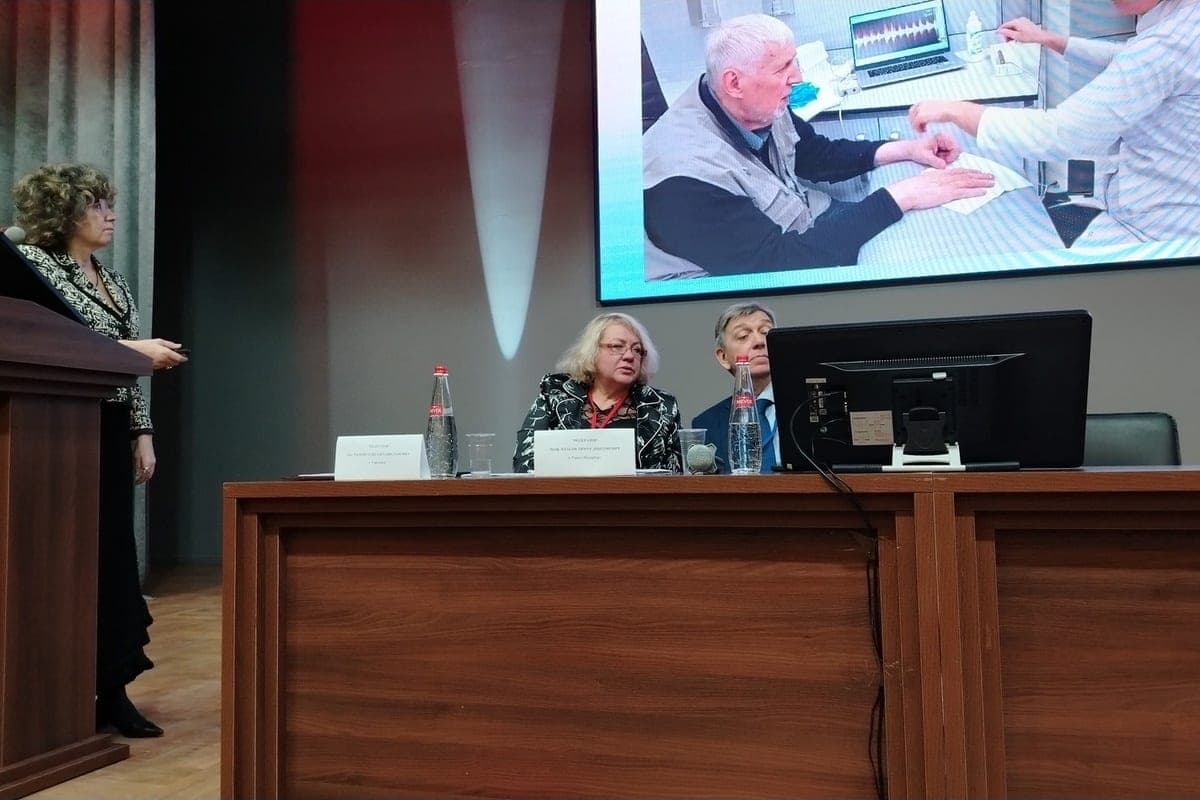
The Fifth International Scientific and Practical Conference “Experimental and Clinical Aspects of Microcirculation and Endothelial Function” is held on the basis of Smolensk State Medical University. The event traditionally brings together leading scientists and practitioners, and this year its scope will be expanded by holding the Perfusion School of Experimental and Clinical Microcirculation for young specialists.
The organizers emphasize that this forum has established itself as one of the key platforms in Russia for the study of peripheral circulation. Since the vast majority of the blood vessels of the body belong to the microcirculation system, it is violations at this level that underlie such socially significant pathologies as diabetes, coronary heart disease, the consequences of coronavirus infection and combat injuries.
The conference will be attended by experts from Moscow, St. Petersburg, Khabarovsk, Saransk, as well as colleagues from Belarus, Abkhazia and Tajikistan. The program of the event includes plenary lectures, oral presentations and a series of practical master classes, during which high-tech domestic diagnostic equipment will be widely presented.
The key element of the youth program will be the Perfusion School, implemented with the support of grants from Rosmolodezh. The project aims to address regional disparities in access to advanced technologies by providing 300 students and residents with the opportunity to master work with modern equipment. As part of the intensive combined program, participants will be trained on laser Doppler flowmetry devices, ultrasonic high-frequency Dopplergraphs, heart rate variability analysis systems and ophthalmic capillaroscopes.
Experts note that training in the use of these technologies in experimental and clinical medicine will allow doctors to digitally assess the risks of diseases at the prenosological stage. This approach contributes to the transition from empirical selection of therapy to evidence-based and personalized medicine.
The result of the conference and the Perfusion School will be the preparation of a qualified personnel reserve capable of introducing predictive diagnostic methods into regional clinical practice. This directly contributes to the early identification of risks and reduction of mortality from cardiovascular diseases, which is fully consistent with the objectives of federal and national health projects.


