
Vaccination and examination by a veterinarian. How to protect your pet from rabies
How to protect a pet from rabies, experts told during a press conference for the World Rabies Day. ...
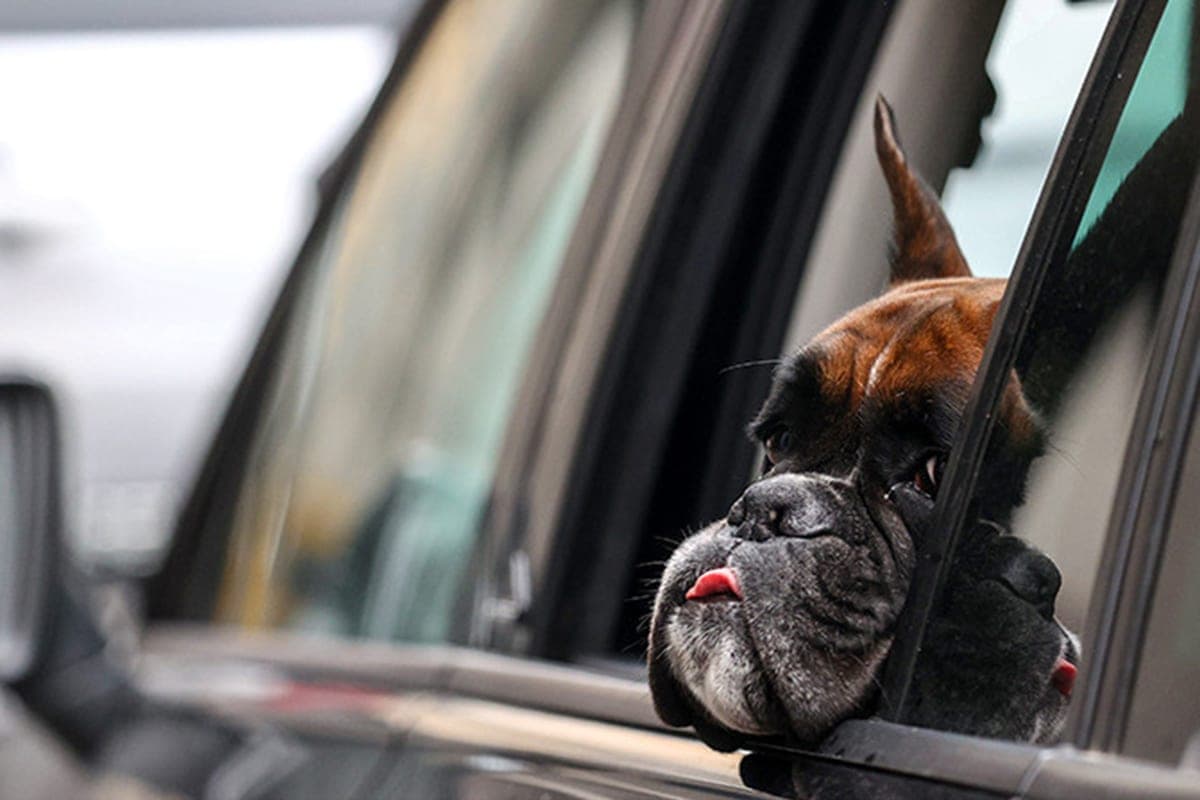
How to protect a pet from rabies, experts told during a press conference for the World Rabies Day.

Natalia Ilyina, consultant of the Department of Control over Antiepizootic and Preventive Work of the Department of Veterinary and Food Supervision of the Ministry of Agriculture and Food, explained that the main sources of the pathogen of infection are wild predators, dogs and cats. Infection occurs through direct contact with an infected animal, including as a result of a bite or saliva on damaged skin and mucous membranes.
To reduce the risk of infection, it is necessary to prevent contact of pets with wild animals. Lead dogs and cats in public areas should be subject to mandatory vaccination against rabies. For prevention purposes, dog and cat owners are required to bring animals to veterinary facilities at least once a year for inspection and vaccination. Vaccination is carried out both by state veterinary institutions, including city and district stations, and private clinics. “Vaccination is the only way to protect pets from rabies. It helps to protect not only the pet, but also its owner, said Natalia Ilyina.
According to Anastasia Lashkevich, head of the department of especially dangerous infections of the epidemiology department of the Republican Center for Hygiene, Epidemiology and Public Health, dangerous contact can occur anywhere - in a park, forest, rural settlement or on a private farmstead. If the animal is domesticated and can be isolated, veterinary specialists establish a ten-day observation. Vaccination is started immediately, simultaneously monitoring the condition of the animal. If within ten days the animal does not fall ill and does not die, the veterinary service sends a report on his condition to the health organization. After that, the doctor can adjust the course of vaccinations.
If a person picks up an animal on the street, it is necessary to show it to a veterinarian as soon as possible. The veterinarian should examine him and carry out immunization against rabies. “Stray animals should not be fed by hand. The food can be put in an accessible place for the animal, go away and do not come into contact with it, explained Anastasia Lashkevich.
Since 2011, wild carnivores have been immunized annually in Belarus. Campaigns are held twice a year - in spring and autumn. “Special vaccine baits are used and distributed from the air. Wild carnivores find them and eat them, so they get immunity, added Natalia Ilyina. She also urged people not to touch such baits if found while walking, and not to try to take them home or use them to vaccinate pets.


