
Volgograd residents learned why bacteria become resistant to antibiotics n
Antibiotic resistance can lead to longer hospitalizations and higher medical costs.
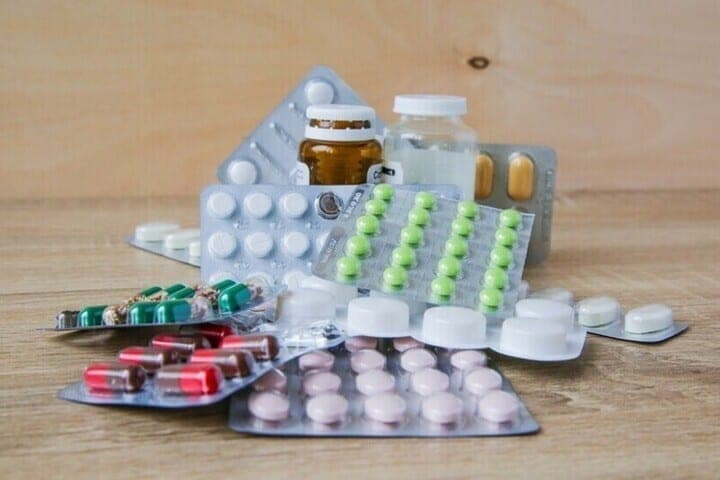
About how quickly resistance develops and why it is important to strictly follow the doctor's prescription, says the chief freelance specialist in medical prevention of the Southern Federal District Alexei Borisovich Pokatilov.
He stressed that antibiotic resistance develops not in humans, but in bacteria, so the infections caused by them are more difficult to treat than infections from bacteria that do not have resistance. The rate of occurrence of resistance depends on the specific bacteria, the type of drug and the conditions of its use. With improper intake of antibiotics, the development of resistance can range from several hours and days to several months. Within the body of one person, persistent mutations or gene exchange can take hold during one course of treatment, which usually lasts 5-7 days.
This is primarily affected by the high rate of reproduction of bacteria: they divide every 20-30 minutes, during which time they mutate billions of individuals, passing on the genes of protection to each other. In addition, a violation of medical recommendations negatively affects when the patient independently interrupts the course ahead of time, justifying himself by improving his health, taking the drug in the wrong dosage or skipping his reception. This treatment destroys the weak bacteria, and the most persistent survive and continue to multiply. Therefore, the specialist recommends strictly adhere to the recommendations of the doctor and not to self-medicate with antibiotics.


