
"Are you crazy? Why pour water into boiling dumplings? American came to Russia and after Moscow and Kazan wanted to stay forever
Sarah flew from New York to Moscow with the usual ideas about Russia. An ordinary dinner with dumplings and a trip to Kazan made her look at the country very differently.
The first days in the capital surprised Sarah with a clean metro, well-groomed parks and quiet daily life. However, she wanted to see not only tourist places, but also how ordinary Russians live, writes Zen channel “Talk about education”
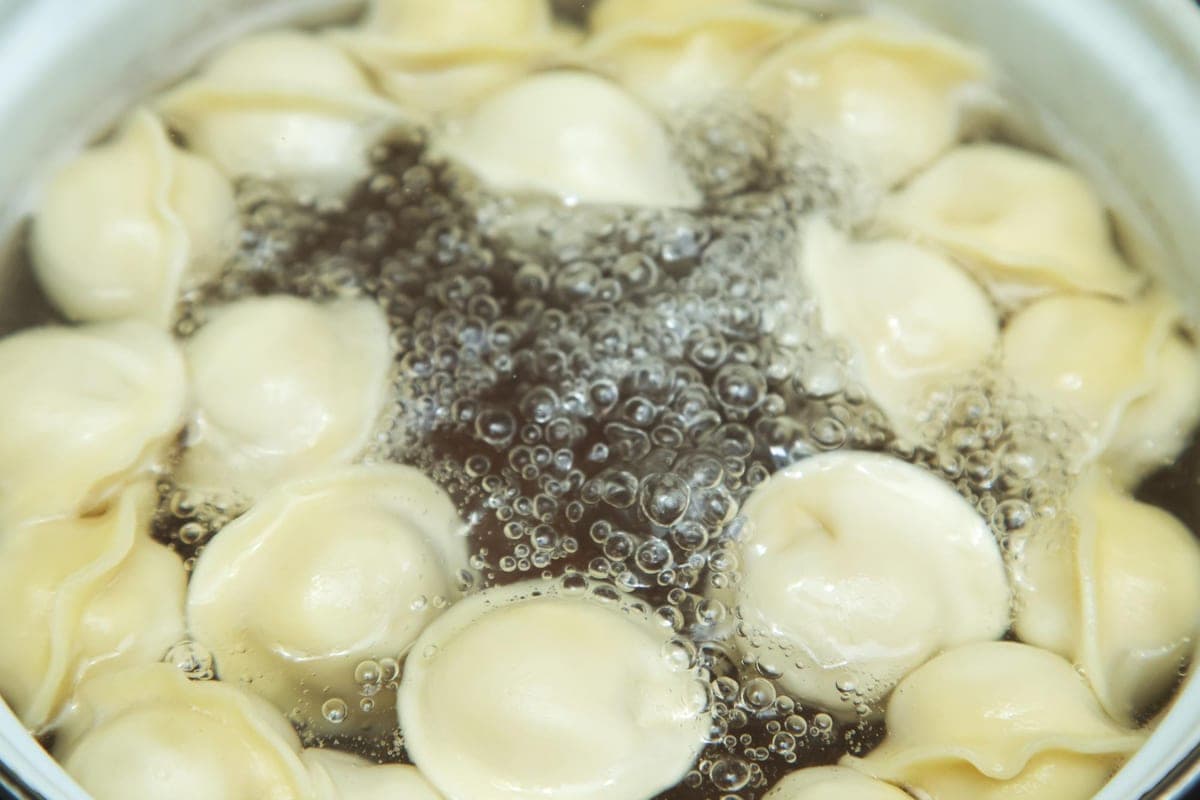
One evening, friends invited her to dinner. The owner of the apartment Lena decided to prepare dumplings. Sarah was delighted: in New York she had already tried this dish in Russian restaurants.
As the dumplings surfaced in boiling water, the American reached out to turn off the stove. But Lena stopped her and added some cold water to the pan.
- Why are you doing this? The water will not boil! – Sarah was surprised.
Lena explained that this technique helps to slightly reduce the water temperature and allows dumplings to prepare more evenly. At the same time, it is important not to digest the dough and make sure that the filling is completely ready.
Sarah listened carefully to the explanation and then tasted the finished dish.
- They're really delicious! I didn’t eat them in restaurants, she said.
An ordinary home dinner was the first unexpected discovery for the American. But she was waiting for an acquaintance with another city and new traditions.
Two days later, Sarah went to Kazan. The city immediately attracted her attention with its architecture, waterfront and a combination of different cultures.
In the evening, an acquaintance named Albina invited guests home and prepared mantas. Tea and chak-chak also appeared on the table.
Sarah remembered the Moscow dinner and asked with a smile to do without experimenting with cold water. Albina laughed and talked about the family recipes that her grandmother taught her.
Over tea, the conversation turned to traditions and life in Kazan. Sarah learned how Russian and Tatar cultures intertwined here, how different customs coexist and how recipes are passed down from generation to generation.
Gradually, the conversation turned to everyday life. Sarah admitted that in New York, she is used to constantly rushing. Work, meetings and endless plans left little time for rest.
- And here I feel like for the first time in a long time I can just sit and talk, she said.
The evening was warm and calm. Sarah asked the hostess about her family, talked about her relatives, and thought less and less about how Russian life differs from American life.
Later, Sarah walked along the Kazanka embankment and admitted that the trip was not at all what she imagined.
She used to judge Russia primarily by the news and expected to see a country where people find it difficult and uncomfortable to live in. Instead, she met families who invited her to the table, shared their stories and were genuinely interested in her life.
- I'm always running home. It seems like if I stop for a minute, I'll miss something. And here I am not in a hurry for the first time in a long time, Sarah shared.
She began to notice how much joy can bring an ordinary evening in the company of friends, a leisurely dinner and heart-to-heart conversation. She liked that hospitality was not limited to formal invitations: people tried to make the guest feel comfortable.
Of course, Sarah understood that every city and every family had their own habits. But such meetings helped her to see Russia not through stereotypes, but through personal experience.
Before leaving, Sarah went to a cafe on Bauman Street and reviewed photos from Moscow and Kazan. In a few days she had a lot of impressions that I wanted to share with friends in New York.
She admitted that she came to Russia with ready-made ideas about the country, but now realized how little she really knew about her.
Sarah wanted to see other cities, meet new people and learn more about local traditions. The trip helped her to think about her own life: constant employment does not always mean that a person has time to enjoy every day.
Before returning to the United States, she promised to return. Moscow and Kazan were not enough to satisfy her curiosity.
And the cold water in the pan remained one of the most memorable episodes of the trip. She began exploring habits that used to seem strange to Sarah and then helped her feel closer to the people she met.
This story reminds us that getting to know another country doesn’t just start with museums and attractions. Sometimes, much more is told about the usual family dinner, a cup of tea and people who are willing to accept the guest as their own.