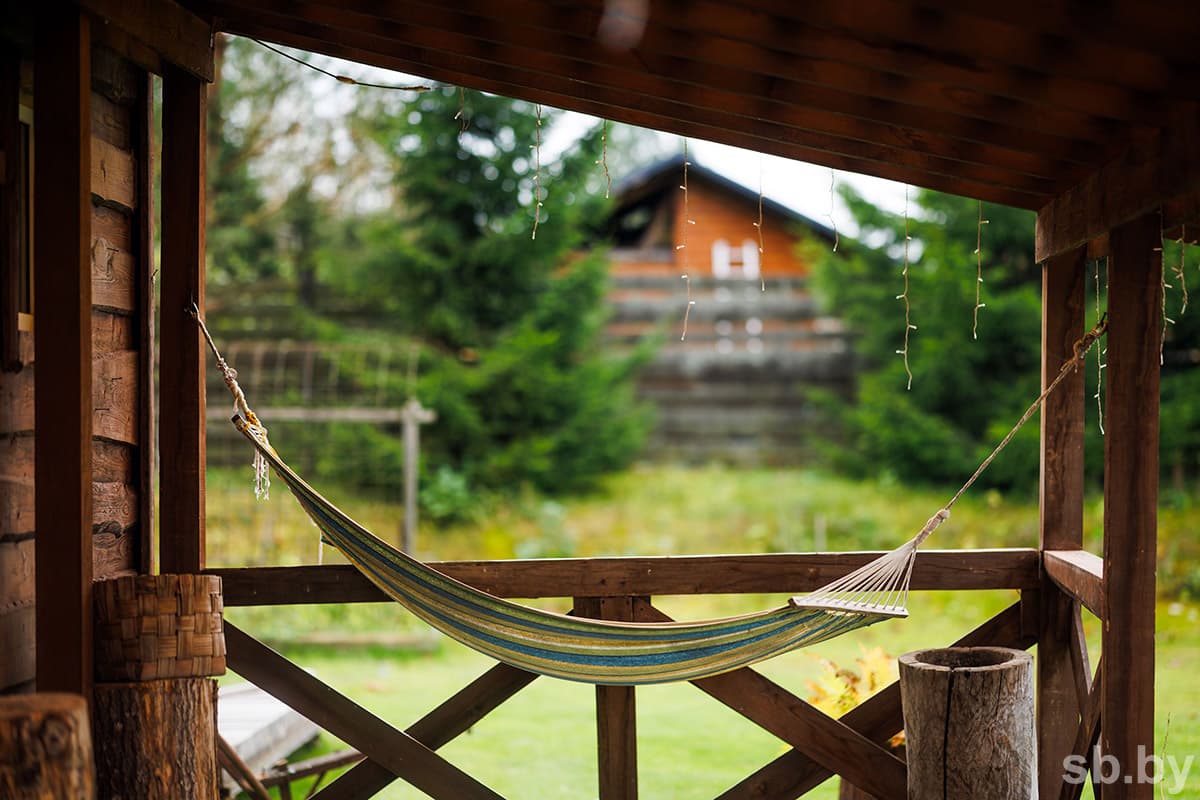
The philosophy of a unique rural way of life explains why the Tatarchuk couple are in love with the village of Simonki
Want to know what Belarusian hospitality is? Be sure to visit the family farmstead “Pahlikina hutka”. You will be welcomed here and offered...
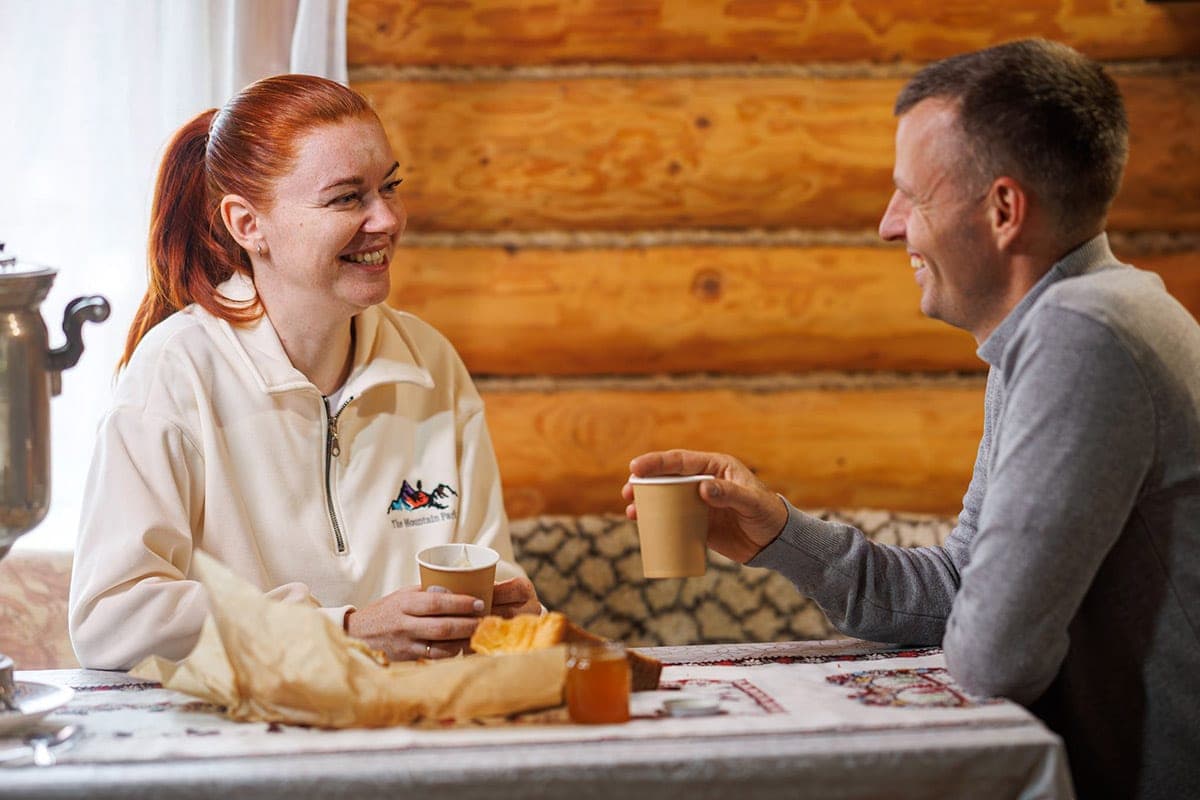
Want to know what Belarusian hospitality is? Be sure to visit the family farmstead “Pahlikina hutka”. Here you will be warmly welcomed and offered to rest, and also promise to fulfill the desire. Why did young people decide to develop the tourism business in the countryside, how they overcame their first fears and why agro-ecotourism is not only about business.
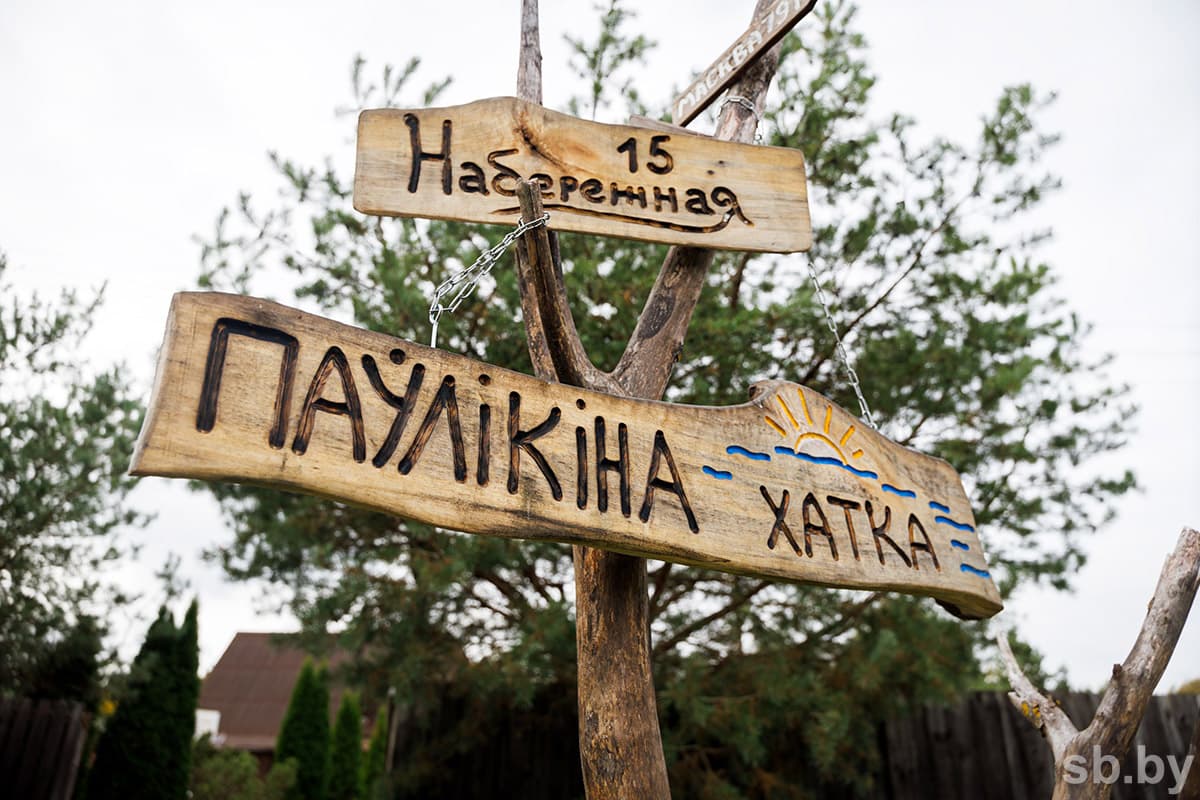
The village of Simonki meets unusual after the noisy city with silence. At the gates of the agricultural estate "Pa likina hutka" we are already waiting for the owner Alexander Tatarchuk. Everyone who enters this territory automatically becomes its guests. Therefore, from the threshold, instead of long greetings, offers a quest. He says it's the best way to catch local Zen.
- People come to us from all over Belarus and not only, the road is often not close, people are exhausted. To help them switch right away, we started our tradition of settlement. And the guests liked it, explains the owner. There is no such thing as “handed the keys and separated.” So the rule is the same for everyone: first get acquainted with the estate, with us and only then relax.
The first question seems ridiculously simple, but it is on it that most guests cut off: “What is the name of the estate?” Without a hesitation, we pronounce “Pahlikina hutka”, which causes amazement of the owners:
- This year, you are the first to answer correctly. We are usually called "Pahlinkinai." But the name of the estate for us is very personal: in honor of the firstborn – the son of Paul. Consider the first level passed!
Then it's even more interesting. We are invited to a meeting shop and given an unexpected task: to find the warmest and brightest memory from childhood. It needs to be fixed inside and stored for now. Alexander assures that this thought will be needed later to fulfill the cherished desire. The owners say that it works one hundred percent.
- At first, the ceremony was just an interesting tradition. And then the guests began to give feedback: the wishes we had come true! – the wife of Alexander Julia joins the conversation. Someone gave a kitten, someone fulfilled a bigger dream. When a wish is made, you need to tie a ribbon on a special tree. And these ribbons over time became so much that I had to add branches. Now some guests, signing up for vacation, immediately say: "We want to come and tie ribbons." Sometimes they come on the advice of friends who, as they assure, everything worked out.
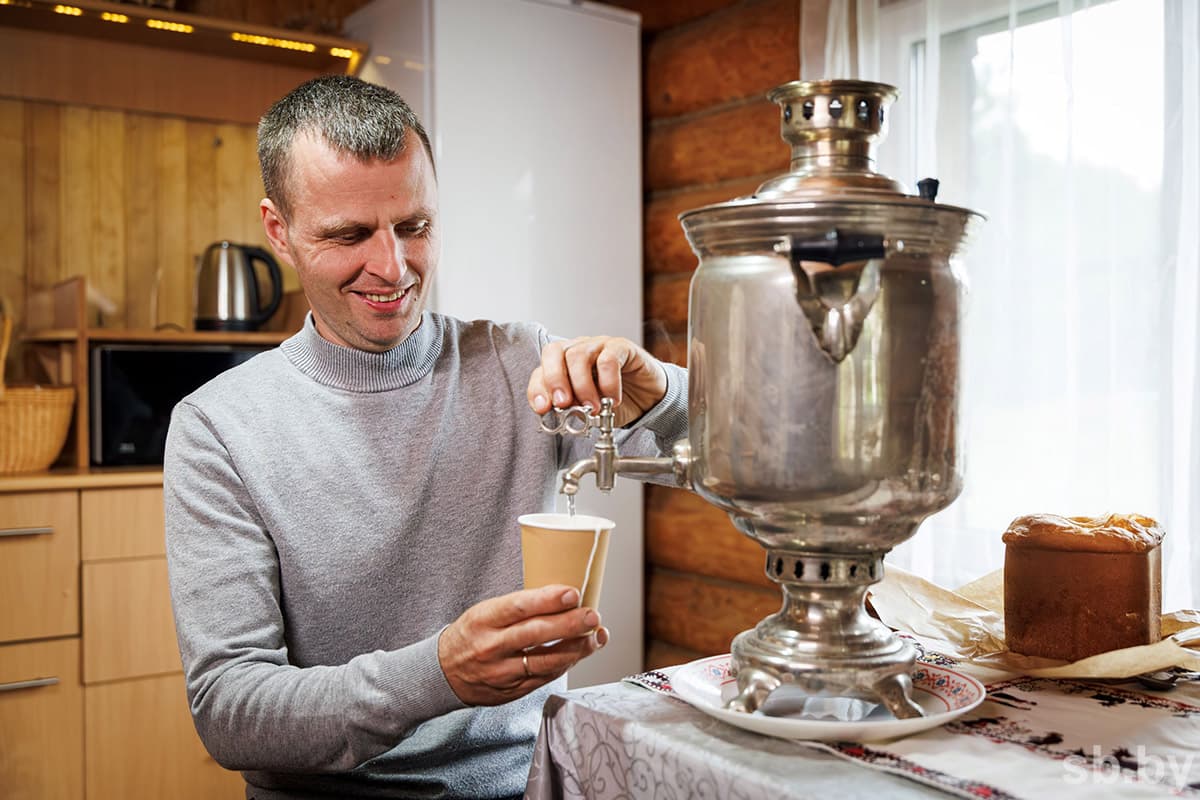
It is impossible to refuse such an offer. We follow the recommendations of the owners and tie ribbons - each with his own desire. We promise to tell you if everything comes true, and proceed to the next task: melt the samovar. Well, where ours did not disappear, we get to work. When a fragrant steam rises above the samovar, we get comfortable - now you can just talk.
- Half of the city’s habits and services may not work in the village, or it may be difficult to catch WiFi or cellular communication. But you know, this is even for the best, says Alexander Tatarchuk. In the city, we live in our own world, for years we go to the landing and have no idea who our neighbor is behind the wall. The village has a different color and different relationships. We live at one end of the village and know what’s going on at the other. It's all together, all for each other. This philosophy explains why couples are so in love with the village and want to open it to others. The house, which now hosts guests, was once built exclusively for themselves. Later, circumstances made their own adjustments, but the family did not completely abandon village life.
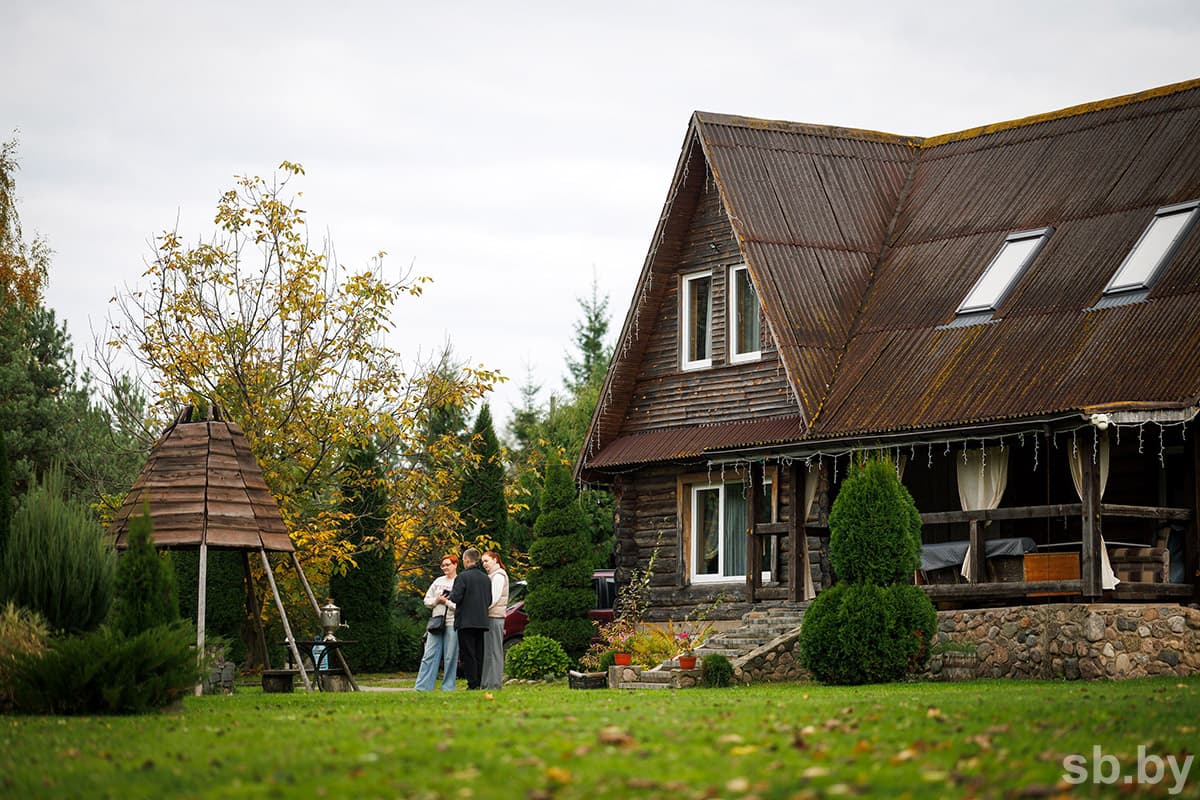
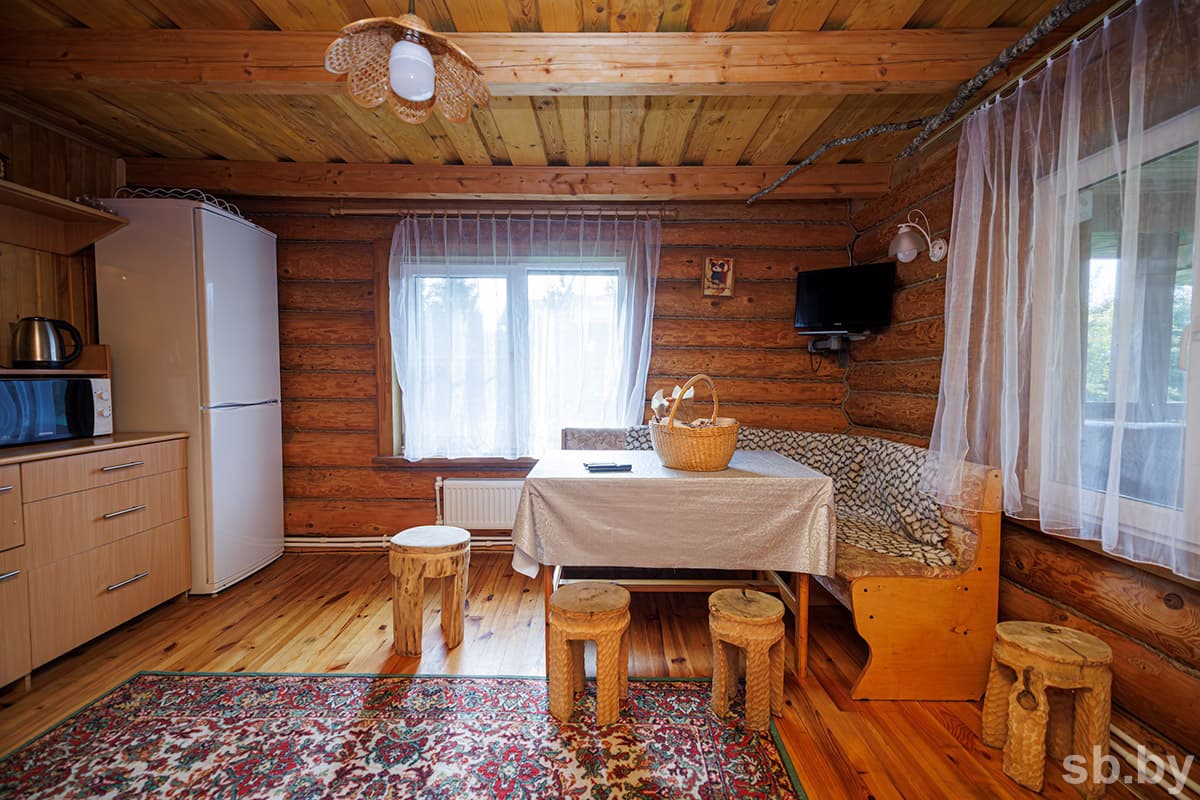
- At one time we lived here constantly: we planted potatoes, it was from here that our Pasha went to the first class. - Then I had to move, came only to mow the grass and swim in the summer. It was a shame to see the house idle without people. We decided to try to receive guests. At first it was insanely scary: they were worried that they would break something, spoil it, everything here was done with their own hands.
Alexander and Julia remember the baptism in detail.
- They were guests from Rechitsa. We gave the keys and sat at home like on needles: waiting for a call with claims, Yulia smiles. At first there were enough punctures, because the experience is accumulated over time. He listened to every advice, everyone worked on the move. The phone was silent for a whole day, and then it turned out that our first guest was a blogger. We go to social networks, and there is a video review of our house: “Everything is so warm, tasteful!” Emotions just skyrocketed, with that first guest, by the way, we still communicate.
About 80 percent of the guests eventually return to the Paglikina Hutka again or become friends of the Tatarchuk family. Alexander and Julia immediately put accents: their estate is not about noisy feasts and loud music. Here you need to rest your soul, listen to the silence and seek peace of mind.
- Once our regular guest brought his father with him, he was from Kazakhstan, says Alexander. While we were talking at the house, the elderly man stepped aside, to the apple tree. He stood in silence in front of the tree for a long time, then turned around and said, “I feel a special energy here.” We looked at each other with a slight skepticism. And after a while, the apple tree, which had never been fruit-bearing or even flowering before, suddenly covered with color. Early September! Believe it or not, the tree now blooms periodically in September.
And also “Pahlikina hutka” is a place where chronicles of family happiness are written. And it’s not just that they come here from year to year with children, bringing parents.
- We have storks here all the time, and it seems they bring good luck, says Julia. We had three young couples on vacation. The next year they return and one couple with a newborn baby. A year later, the children appeared in the second family, and this season we were told the good news: the child was born to a third couple. When they found out, they were very happy. We have three of them.
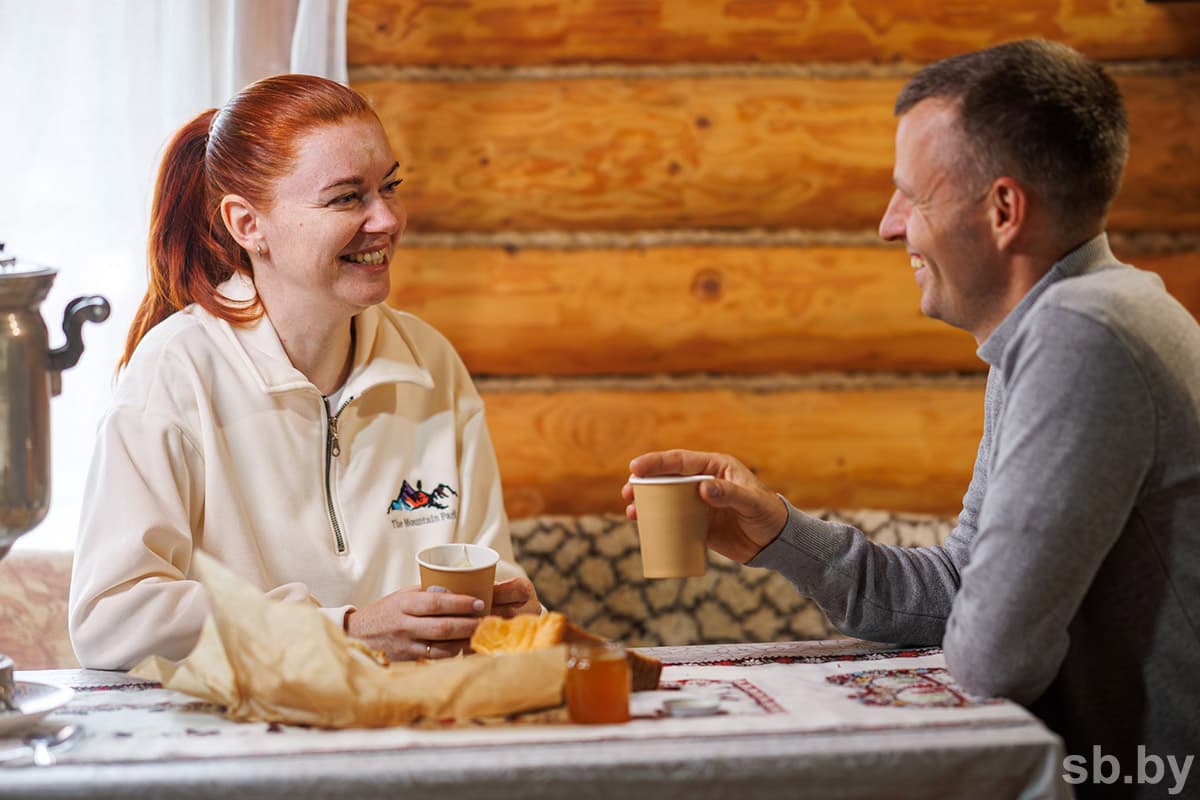
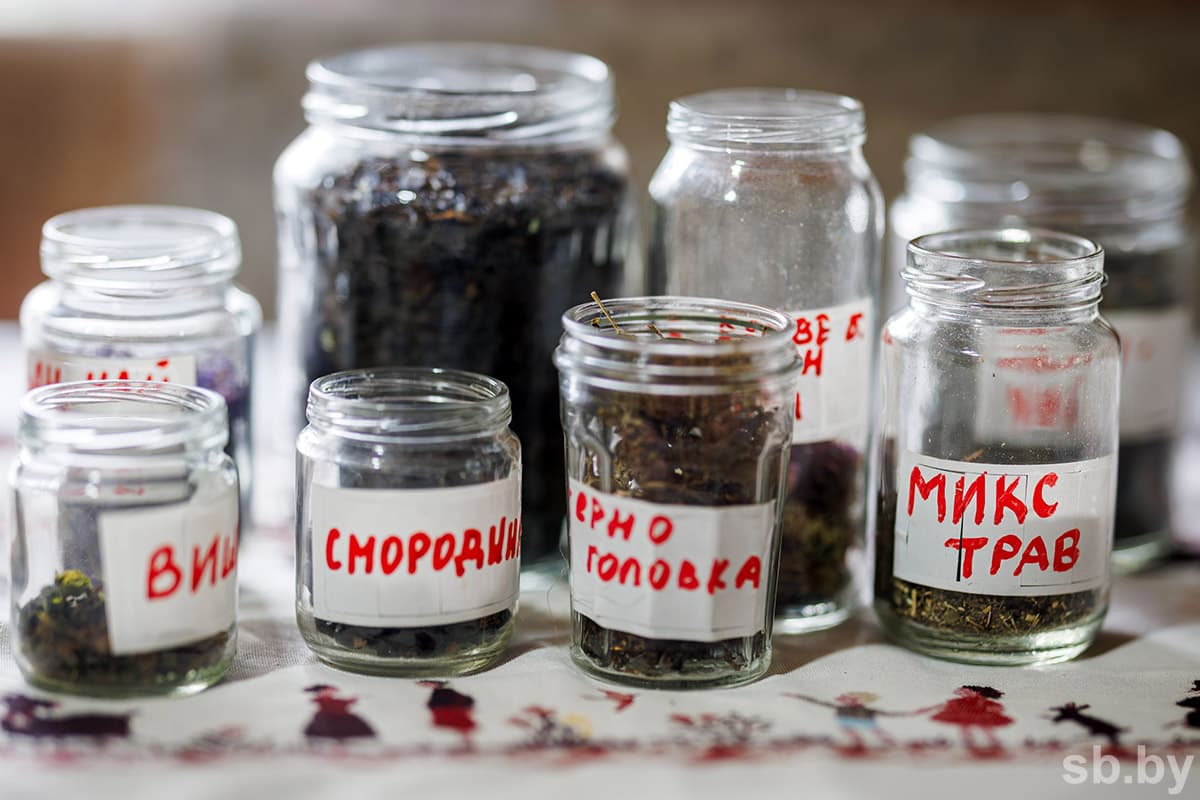
The samovar finally boils - and the conversation moves into the kitchen. The hostess puts jars of fragrant herbs on the table and offers to collect the brew yourself. Near homemade bread: it is not cut here, but broken with hands and smeared with honey from its own apiary. Everything is simple and homelike - as in childhood. Over tea, the owners share plans: they want to open another house for guests.
- We already bought it. When they first came to see, they found little among the thickets, the couple said. And then we went inside and it was as if the owners had just come out: photos on the walls, things in their places. Building a new home is probably easier. But the old has its own history and a special atmosphere, I want to keep it. You can't find that in new buildings.
We say goodbye to the hosts at the gate. On the way to the car, we still stop at that very mystical apple tree, trying to catch the vibrations of the air. And we understand: a miracle is an opportunity to just sit on a bench overlooking the lake, inhale the smell of fresh hay on the haywalk, drink hot tea from a real samovar and find new friends here. In "Palikinai Hattsy" this is absolutely real.