
Why go to church if God is in your heart? Jeremiah Zverev answered
“God is in my soul” is the saying of people who believe in God but rarely go to church. Priest Nikita Zverev explained why common prayer, participation in church sacraments and a paternal cross are important for Orthodox Christians, and also told where superstitions about darkened crosses and other people’s shrines come from.
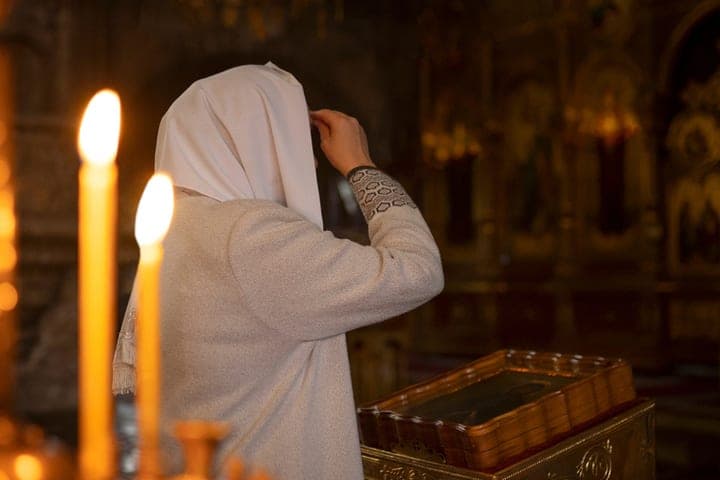
According to the priest, the temple is not just a place where a person can be quiet and turn to God. Here believers gather together, become part of the church community and participate in the sacraments, including confession and communion. The life of the Church also helps to understand the Christian teaching and to get acquainted with examples of the life of saints.
Another important aspect of visiting the temple is prayer. Jesus said that where two or three are gathered together in His name, He dwells among them. Therefore, from the point of view of the Orthodox tradition, personal faith and prayer in private do not exclude participation in the life of the church.
Separately, Nikita Zverev stopped at the meaning of the cross. It is worn at baptism and worn as a sign of faith in Christ, a reminder of His death on the cross and resurrection. In this case, the cross should not be perceived as an ordinary ornament or a magical object, which in itself protects against any trouble.
Often people worry if the cross begins to darken, and associate it with sins or approaching disaster. The priest explained that the reason is usually related to the material of the product and its oxidation. In this case, it is enough to use a special tool for cleaning metal, and you do not need to look for mystical meaning in changing the color.
There is also a belief that the cross found by someone else can not be lifted, since it can allegedly affect the fate of a person. According to the priest, it is also not worth leaving the shrine on the ground: the cross should be raised and taken to the temple. Fear that along with the find, a person will take on other people's troubles is not necessary.
Another common misconception is the belief that the cross protects from the evil eye and damage as a talisman. Nikita Zverev stressed that in Orthodoxy the cross is associated primarily with faith in Christ and hope for God’s help, and not with magical rituals. He also noted that the fear of corruption and appeal to sorcerers contradict the Christian understanding of trust in God.
According to the priest, the spread of superstitions is partly due to the fact that in the Soviet years Orthodox traditions were forced out of public life. As a result, religious ideas were often mixed with popular signs and prejudices. Therefore, it is important not only to observe external traditions, but also to understand their meaning, not replacing faith with fear of imaginary signs and signs.
Source.