
Frozen blueberries instead of pickles: how the culture of blanks is changing
“I’m not doing a twist!” – says the modern hostess with pride, but at the same time as if grovelling around: suddenly scolded?
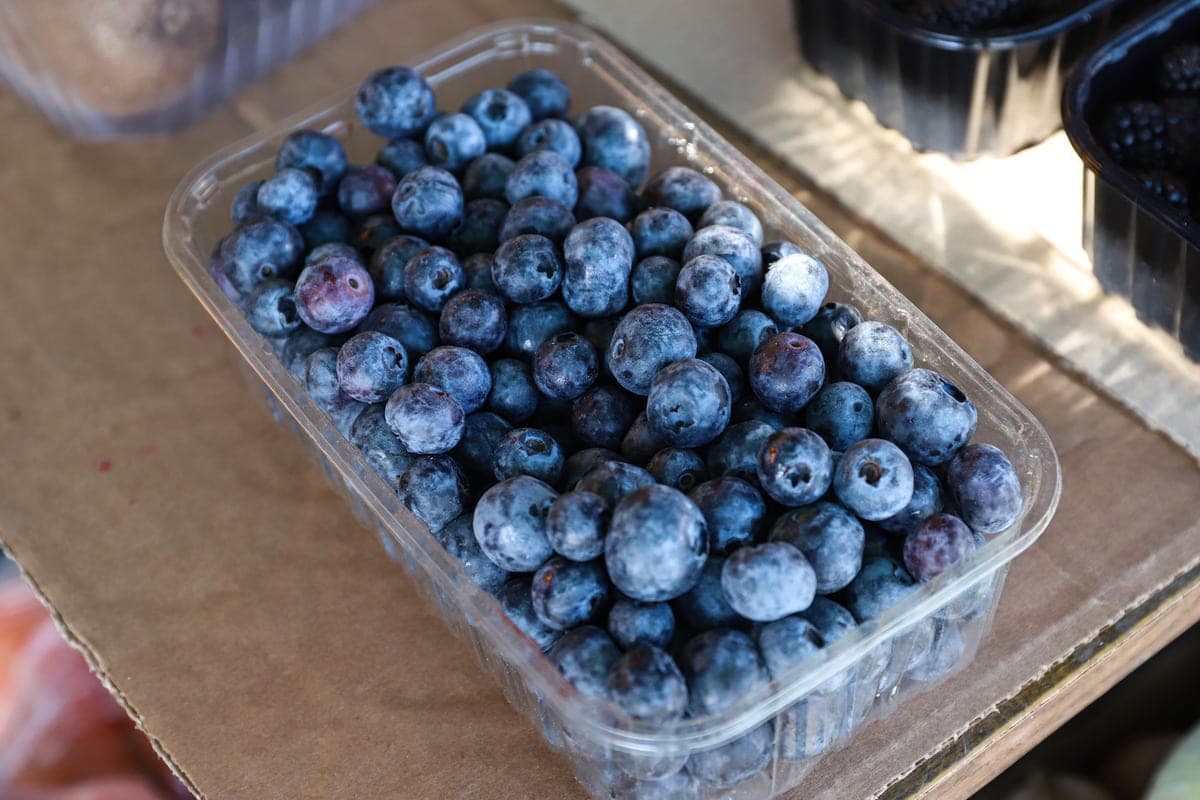
Even 10-15 years ago it became clear: the era of endless rows of three-liter cylinders with cucumbers and dusty mezzanine, clogged with cans with cherry compote, is a thing of the past. And the point here is not laziness or infantileness, as older generations like to complain, but a change in the very paradigm of consumption, life and attitude to time.
The Soviet and post-Soviet model of blanks was based on the idea of survival and the creation of reserves for a long winter. Today’s consumption pattern is hedonistic and generally quite calm: few people need to feed a family of five with one compote all winter. And the question of inability to buy fresh vegetables in winter, for example, is not worth it. The modern citizen wants variety: today he eats Thai soup, tomorrow he eats Italian pasta... but he no longer wants to perceive pickles as a delayed reward for hard work. The country replica of Antonina-hostess from the film “Moscow does not believe in tears” – they say, I’ll see how you open these banks in winter, and what you say then! – is no longer relevant.
However, one important aspect remains: saving, and saving double – and effort, time, and money. Therefore, young housewives (and owners, there are no gender stereotypes!) still make blanks. Just different.
Freezer vs. bank
The main reason for the rejection of traditional canning is the huge time costs. Young housewives are increasingly asking themselves why sophisticated sterilization, food preparation and rolling lids are needed when simpler alternatives exist?
The most popular is called drying. Young women willingly share experience: they dry mushrooms, berries (necessarily strawberries and cherries), herbs (mint, green onions, dill), vegetables, fruits. Dried products are stored at room temperature in ordinary cans with lids, they can be used at any time. Well, if something can not be dried, then you can freeze - and not only what grew in your own country, but also bought on the market in the season: the same fruits and berries. For example, strawberries from the cottage go to the freezer, then to please all year round.
- Even my grandmother (who would have turned 80 a couple of days ago), after the advent of a freezer, a normal large kitchen and small appliances, almost stopped rolling cans. I made only a couple of tomatoes, because my mother asked very much, said 32-year-old Julia from Ulyanovsk.
As the main argument in favor of freezing and drying is called naturalness: vegetables and fruits are really preserved for a year almost in their original form. This distinguishes them from marinades with a large amount of salt, sugar and vinegar, as well as from jam and compotes, which are traditionally horrified by the adherents of healthy lifestyles due to the wild amount of the same sugar.
- I know my grandmother's recipes: they all begin with the words "For a kilogram of apples take a kilogram of sugar." Well, and then wondered why everyone is overweight by the age of thirty and diabetes at fifty, says 36-year-old Hope. Jam and compotes are not “vitamins”, but exactly the opposite. No, thank you, I'd rather make dried apples and bite them in the winter for nothing. I'll freeze the sea buckthorn so I can put it in tea instead of turning it into jam.
Responsibility for which products are transferred to the freezer? MK studied social networks and popular blogs and compiled a list of the most popular blanks in 2026:
The main thing, of course, is to decompose into beautiful shapes for ice, sweets or cupcakes: then berry or vegetable puree will look aesthetically pleasing (and useful for social networks!).
Task: Dinner after work
Everything comes from childhood: and those 30-40-year-olds who farm and feed their families (or at least themselves) today, this very childhood fell on the 90s and zero, when fast food after work was associated with dumplings, fish sticks, frozen Bogatyrsky patties and other nuggets, from which a modern person will be horrified - and where, sorry, there is meat, where the daily norm of protein? Eating semi-finished products from the supermarket in 2026 is not cool and not useful.
However, the luxury of cooking a fresh dinner each evening, can afford a few. Therefore, the workpieces are used, but others, not “like Mom.”.
- Our main assistant in the kitchen is the vacuum. Vladimir pickles meat, fish and vegetables, and then packs them in bags and in the freezer. Vacuum works wonders: thanks to it, marinade penetrates into products much faster and deeper, making the texture tender and the taste rich, says Oksana, 42. And no less willingly shares a recipe, for example, chicken hearts in a marinade of mustard with honey. We prepare them for the future and immediately freeze them together with the marinade: so they are saturated with the taste even more intensely. When you need to prepare dinner, take out a bag, throw it in cold water for quick defrosting - and on the pan. An incredibly delicious restaurant dish is ready in minutes.
“Restaurant-level dish” is generally a favorite cliché of those who advocate neat and useful home preparations. It would sound cheap and unnecessarily pretentious, if you do not know the background: the fact is that modern housewives 30-40 years were formed as individuals (as housewives and as women too) in an era when the ability to cook diligently declared optional and generally almost rudimentary. Cafes and restaurants gradually turned from an event for a “special occasion” to just food, then began to gain momentum delivery of ready-made food ... and it began to seem that cooking anything more complicated than eggs in general is not necessary. If you want, order it.
However, the economic crisis interfered with this logic. And so those who for another ten years defended their right not to cook, delved into the calculations: how much would the semi-finished products cost in the store, how much a portion of ready-made food in delivery - and how much does home preparation cost?
- I'm doing my signature dish for the future: it's languid beef with white mushrooms and truffle sauce. I buy three kilos of beef at once, it is about 3,500 rubles, a kilo of white mushrooms for 1500 rubles, a jar of truffle sauce from the store, and onions, says 38-year-old Natalia. - Stir in the oven to the state of stew, until the meat is completely soft, and then cool and freeze ready. The output is 3.7 kg. This is about 18 large portions of 200 grams, and each portion costs only about 300 rubles. And it's beef with white mushrooms and truffle sauce (!).
The young woman adds that when you own culinary techniques, you can cook restaurant-level dishes at a much more attractive price at home - and be able to set the table at the right time.
Grandmothers and women of the older generation in general have a legitimate reason to laugh: well, it is more profitable and easier to cook for the future - then even a revelation! But everyone, apparently, needs to go this way on their own.
Botulism stays awake
Horror no less frightening than diabetes and overweight, for a new generation of cooks has become botulism – say “thank you” to the news feeds, which time and again throw up reports of new and new cases of poisoning. Young people are shy and nervous (although they call it mindfulness and consciousness) and therefore regularly remind each other about the risk of botulism.
A popular opinion is to consider this dirty lot of ready-made food and deliveries, in which “it is not known whether the cook washed his hands.” Cook at home and everything will be fine! Alas, no. Botulism hides in canned food. And it hides so cunningly that it is not always possible to notice the problem externally - for example, the cover may swell, or maybe not swell... The jar may be damaged or it may look completely normal. Usually, botulism infection is associated with weak heat treatment or insufficient amounts of salt, acids and other preservatives. The causative agent of the disease is activated only in the absence of oxygen access, that is, in sealed banks. The taste of contaminated canned food may not change. And one thing is clear: the danger can lie in wait both in canned food purchased and in cooked with their own hands (and even with love). Young people ask each other an almost rhetorical question: is it really better not to take risks? After all, conservation was once resorted to mainly for lack of refrigerators, freezers and dryers, and now it is full of modern alternatives.


