
Drought complicates wintering in the Voronezh region
A separate concern is the fall in groundwater levels
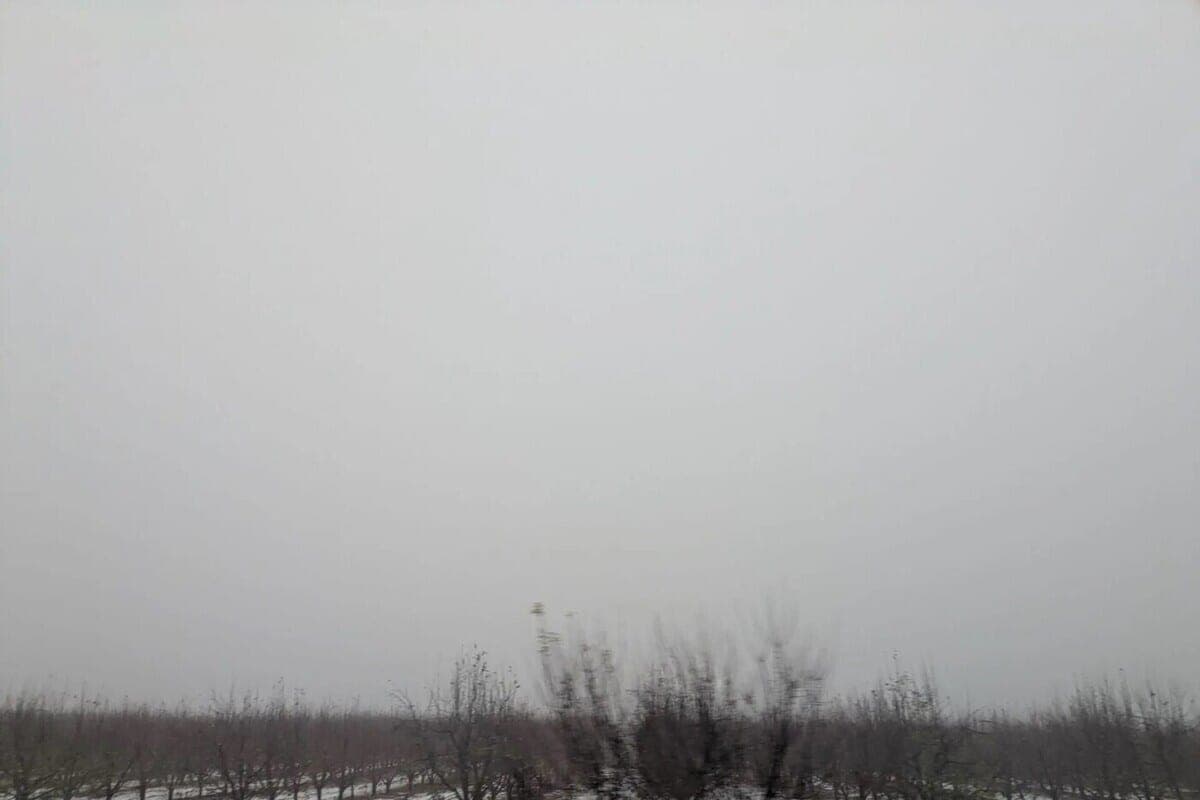
In the Voronezh region, due to the long autumn drought, the condition of winter crops deteriorated. This is reported by the Voronezh Regional Center for Information Support of the AIC with reference to specialists of the Voronezh Federal Agrarian Scientific Center named after V.V. Dokuchaev.
For the next year’s harvest, about 700 thousand hectares of winter crops are employed in the region, most of which are wheat. Plant growth has already stalled due to a lack of moisture in the soil, and some fields in the south of the region may not survive the winter. Farmers are advised to carefully monitor such areas and prepare in advance for a possible relocation.
The beginning of autumn developed for crops successfully: in September, about one and a half monthly rainfall fell in the south of the region, in the north - about two. However, in the south, conditions were slightly worse due to higher temperatures and a lack of moisture.
The situation changed dramatically in October: for the month fell only 4-6% of the climatic norm, and the average temperature exceeded the usual by 3.9 degrees. Together with windy weather, this led to rapid drying of the upper layers of soil. The first decade of November was also dry. Winter crops have stopped growing, although they remain viable thanks to small drizzling rains.
The most alarming situation is in the southern regions. The main risks are associated with fields where wheat was sown late or placed after unsuccessful predecessors: such crops are noticeably yellowed, and some plants are almost dried. According to experts, the chances of a safe wintering are small, so these areas should be regularly examined during the winter, allowing, if necessary, spring resurfacing.
A separate concern is the fall in the level of groundwater: in recent years it has been kept significantly below the long-term average. In particular, in the Dokuchayev well with a depth of 8.12 m on the territory of the scientific center, there is no water now - it appears only in late spring or early summer, and a layer of no more than a meter, after which the level again goes below the bottom.
Despite the complex picture, experts hope that autumn-winter precipitation will replenish moisture reserves. If this happens, by the beginning of spring field work, the water content in a meter layer of black soil may approach the average long-term indicators. To reduce the risks, farmers will have to adapt the technologies of growing winter wheat to real weather conditions.


