
Family life with 16 children, bank deposits, successes of Vitebsk agrarians - announcement of newspapers of Belarus Today holding on October 17
Thanks to the newspapers of the publishing house “Belarus Today”, readers are always aware of the main events that occur in the country and the world. In the traditional ...

Thanks to the newspapers of the publishing house “Belarus Today”, readers are always aware of the main events that occur in the country and the world. In the traditional review, we announce some of the most interesting materials that will be published on the pages of the SB Week, Respublika and Selskaya Gazeta on Saturday, October 17.

Cooking soup with meatballs and baking mannica with cottage cheese is a simple task, if we are not talking about lunch for a family in which 16 children grow up. Correspondents of the newspaper tried on the role of assistants in the kitchen and learned how the spouses Lirina and Alexander Nezhevets from Pruzhany manage to surround each child with care.
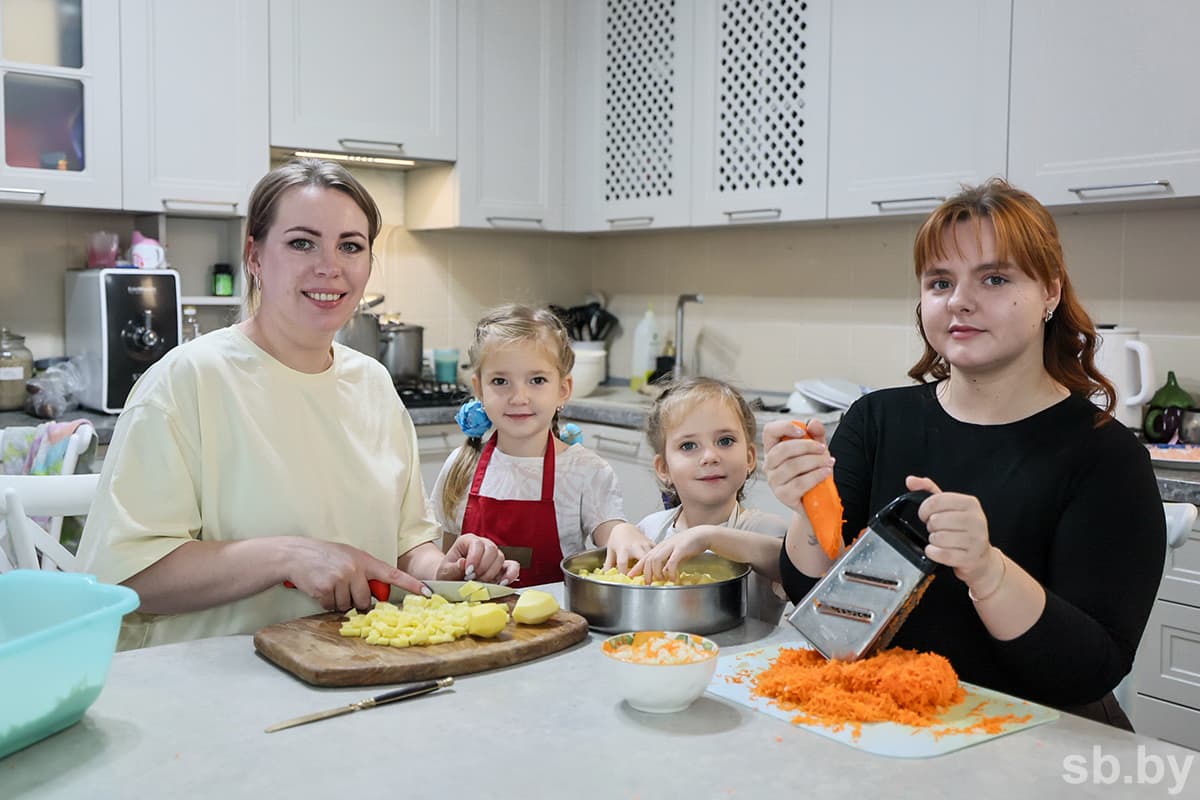
Children are not just close to their mother, everyone wants to participate in the common cause. Lira patiently distributes errands and does not skimp on praise. “Even the youngest have small responsibilities — to serve something, to clean up after themselves, to fold in the right order. So children gradually get used to helping us and being responsible for what they do, she says.
The history of a large family began with a serious trial. After losing their first child, Lyra and Sasha decided to raise children left without parental care. First, three children appeared at once, and in 2018 the couple became parents-educators of a family-type orphanage. Today, more than three million people follow the life of the family. “We are simply showing our lives without pathos and productions. We write people who after watching these videos decided to adopt or guardianship, explains Alexander.
The main educational principle is a personal example: “It is not enough to explain what respect and responsibility are, it is important to show it daily by your own actions.” Details - in the material of journalist Arina Bogdan.
♦ Recently, Belarusians increasingly leave Belarusian rubles in the bank on irrevocable deposits. According to the National Bank, for the first half of the year, the volume of irrevocable ruble deposits for a period of more than three years increased by about four times. The average rate on such deposits in July was 14.3 percent per annum.
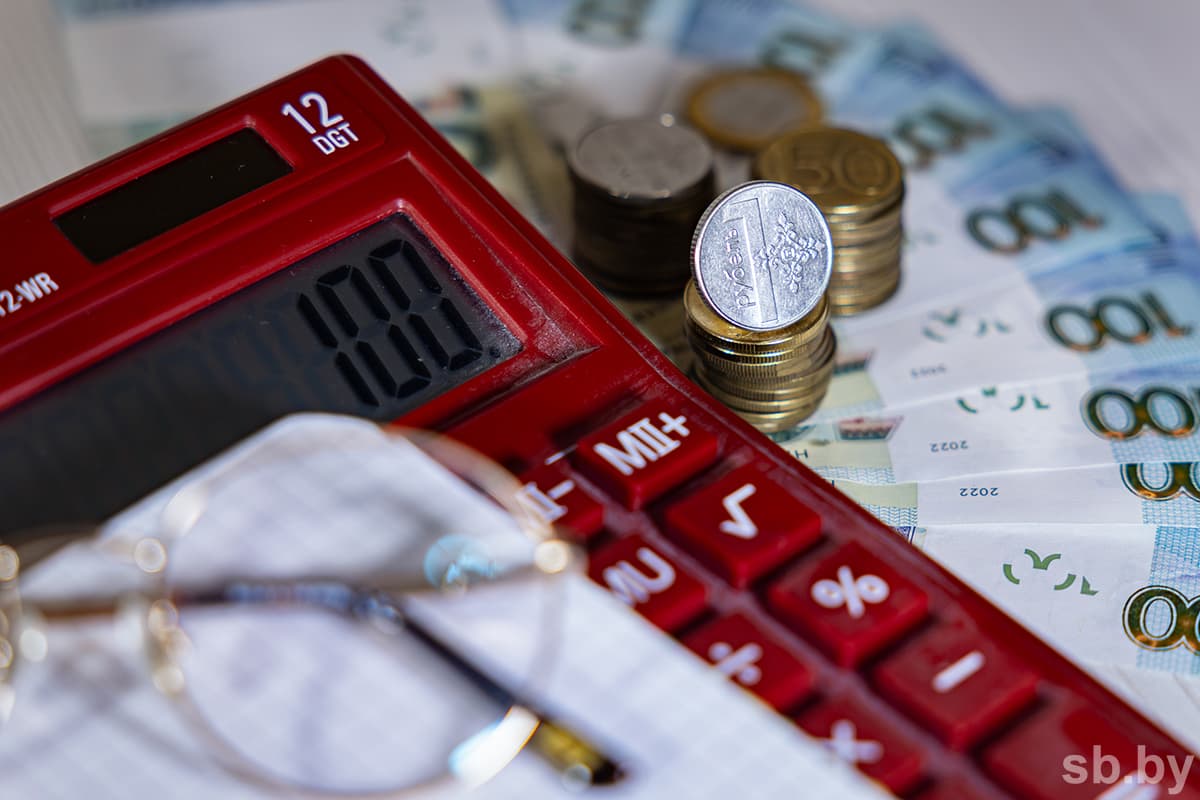
An irrevocable deposit is a tool for money that will not be needed in the coming years. The reference point of investor Sergey Lobuko is 3-6 months of mandatory expenses as a financial cushion. Only funds in excess of this amount can be considered potentially "long." The first and main reason for the boom is the high ruble yield against the background of low inflation. If the depositor receives about 14 percent per annum, and the price growth remains within 4-5 percent, there is a tangible premium for a long-term liquidity restriction, the expert explains. The most interesting thing about a long deposit is the compound interest. With a monthly capitalization of 10 thousand rubles at 14 percent per annum in three years will turn into 15 183 rubles, and in five years will double. Income on ruble deposits for more than a year is exempt from income tax. In the question of how profitable irrevocable bank deposits, studied journalist Alexandra Bortkevich.
♦ The electric scooters season is coming to an end, which means it’s time to think about where and how to store them in the cold. Specialists of the service of electric transport gave owners some advice.
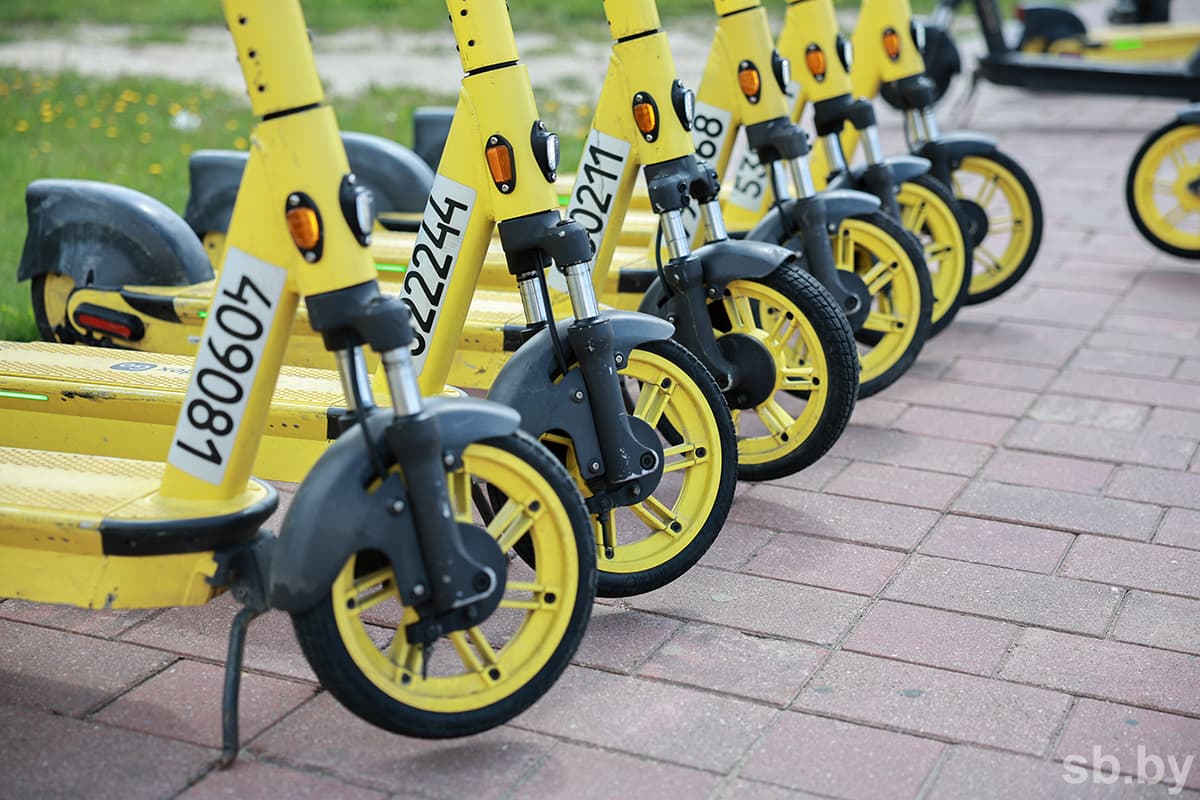
Remove the scooter for storage, charge it up to 50-70 percent: keeping the battery completely discharged or 100 percent charged is harmful. The best place is a dry room with a temperature of 10-20 degrees. “In no case do not leave an electric scooter on an unglazed balcony, otherwise frost and condensation can irrevocably spoil the battery,” warns the master of the service center Bogdan Ilyuchik.
Before storage, the scooter must be carefully cleaned manually without a powerful water pressure. It is better to store in limbo, otherwise a "bun" can form on wheels in the spring.
The rest of the recommendations look for in the material of journalist Inna Gorbatenko. "Republic" ♦ Here are knightly fights, here produce legendary sneakers, which are worn by more than one generation of Belarusians. And it is in this city that there is a unique brovar museum. About how to relax in Lida for 100 rubles, found out the journalist of the newspaper.
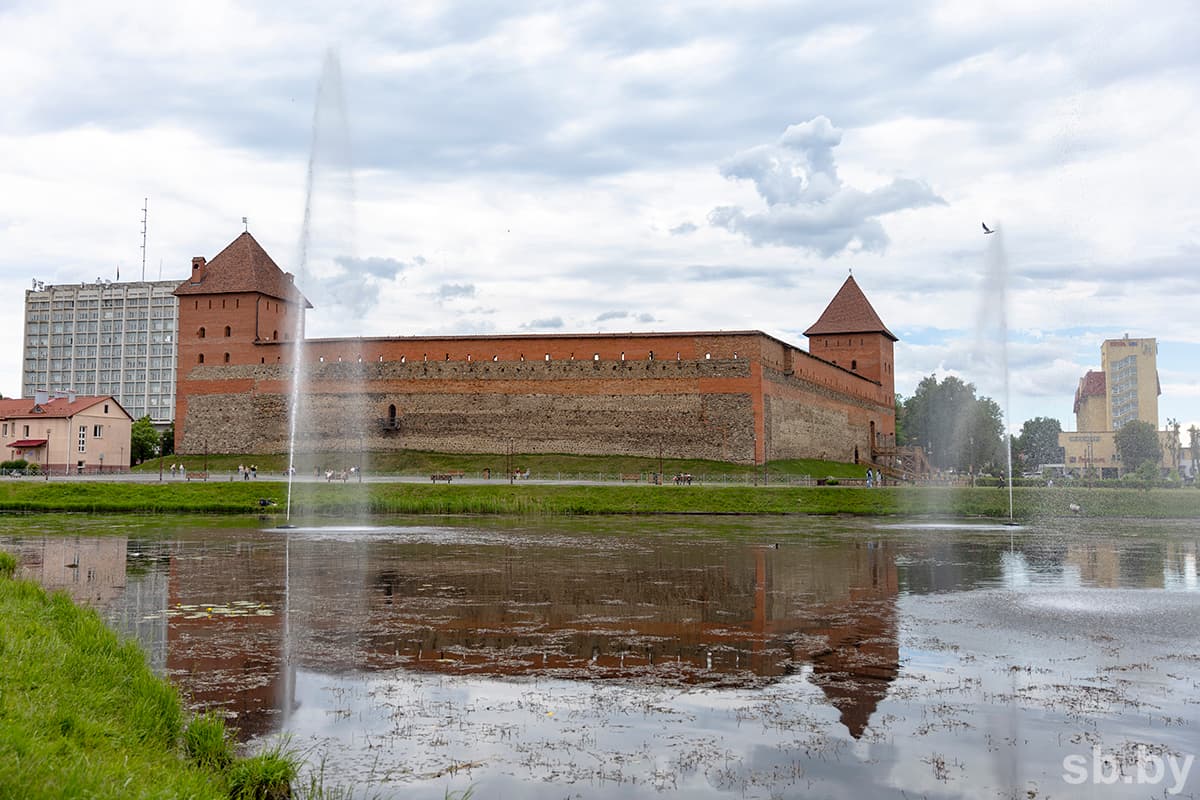
Lida Castle is the visiting card of the city. It was founded in 1323 by Grand Duke Gedimin. Today in its two towers there are historical museum expositions. The entrance ticket cost 15 rubles. Few people know, but on the territory of the castle there is a tavern with a menu according to the recipes of great-grandmothers from local farm raw materials. A true delicacy - a tart from three types of meat - cost 11 rubles. Also in Lida you can see unique sculptures. Local residents recommend rubbing the nose of the bather Vasa, so that the desire comes true.
Continue to look for in the material of journalist Vladislav Sychevich. “Rural newspaper” ♦ This season, farmers of Vitebsk region harvested a decent harvest. The gross harvest of grain and legumes (without corn) amounted to 815.4 thousand tons with an average yield of 28.9 centners per hectare. The record was the gross harvest of rapeseed oil seeds - almost 150 thousand tons.
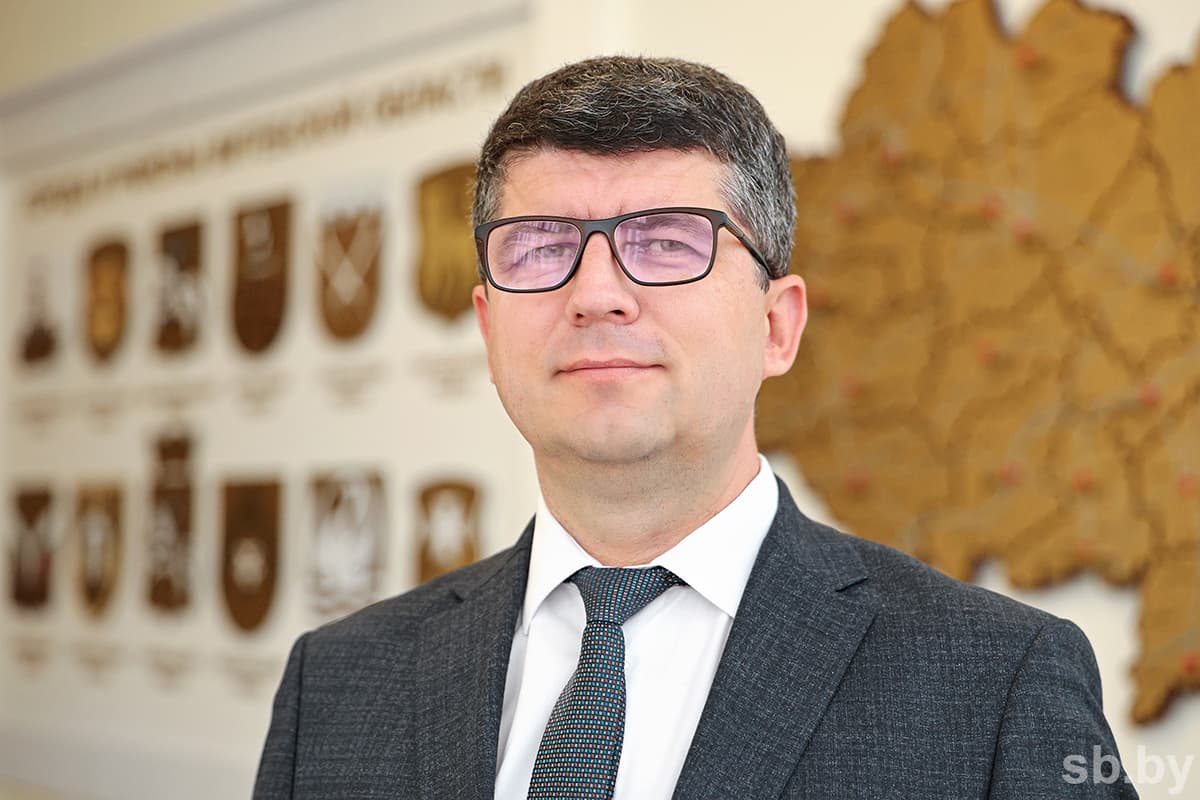
Raps is a culture that demands a technological approach. Therefore, we annually improve and improve the technology of its cultivation. It is not easy, but the results are there. It's been a good day for squirrels. The plans next year to increase its area almost one and a half times — up to 30 thousand hectares. A large amount of work was done on winter rape, which also had a significant effect. About what results the agrarians of the region have achieved and what tasks stand for the future, read in an interview with Sergey Levkovich, which he gave on the eve of the regional festival-fair of workers of the village "Dazhynki-2026" in Miory journalist Olga Bogacheva.


