Spain has come to football blackmail: we will cancel the world Cup
The opinion of the chief editor of the department “MK-Sport” Sergey Alekseev about why the world Cup-2030 has become a new bone of contention. The host countries are arguing over the place of the final. Spanish opposition leader Feijou has threatened Spain's withdrawal from the tournament if the final is held in Morocco. He was supported by Premier Sanchez and coach Luis de la Fuente. In Morocco, opinions are divided: the head of the federation, Fuzi Lekjaa, is confident in Casablanca, and Prime Minister Aziz Ahanush denies agreeing on the issue. Fifa is silent.
Football Blackmail and Diplomatic Solitaire: How Spain and Morocco Share the 2030 World Cup Final.
The upcoming World Cup in 2030, which should become a grand celebration of sports uniting the three countries, is rapidly turning into an arena for tough political games and mutual ultimatums. The host countries of the world championship - Spain, Portugal and Morocco - instead of peaceful preparations for the tournament are involved in a fierce dispute for the right to host its main match. The World Cup final became a bargaining chip in big political ambitions, exposing contradictions not only between states but also within their own governments.
Spanish Opposition Ultimatum
The most aggressive and destructive position was taken by Spanish politicians. The leader of the conservative People’s Party and the main opponent of the current Prime Minister Alberto Nunez Feijoo actually proposed blackmailing the International Football Federation. Speaking on the popular television program El Chiringuito on November 5, Feijoo said he was ready to sabotage the entire tournament if FIFA chose Morocco.
According to the opposition leader, Spain is obliged to host the final match, which he called absolutely indisputable. Moreover, answering questions about his future actions in the event of coming to power, Feijoo confirmed that he was really ready to refuse Spain’s participation in the organization and hosting of the World Cup if the decisive game was not held on Spanish soil. Such rhetoric shifts the dispute from a sporting plane to a category of harsh political pressure, jeopardizing Spain’s reputation as a reliable partner in global projects.
The Unity of Spanish Elites
The demands of the opposition suddenly resonate with the current government and sports officials, which creates the illusion of national unity around the football issue. Spanish Prime Minister Pedro Sanchez, who is in a political confrontation with Feijoo, said in an interview with Cadena SER radio in September that he was actively working to ensure that the final was guaranteed to take place in Spain.
Supported by the political choir and head coach of the men's team of Spain Luis de la Fuente. At a press conference on Friday, he publicly expressed his firm belief that the final should be played exclusively in Spain. From the leaders of political parties to the head coaches of the national team, the Spanish side are showing unprecedented pressure on the organisers of the tournament.
Moroccan Illusions and Political Reality
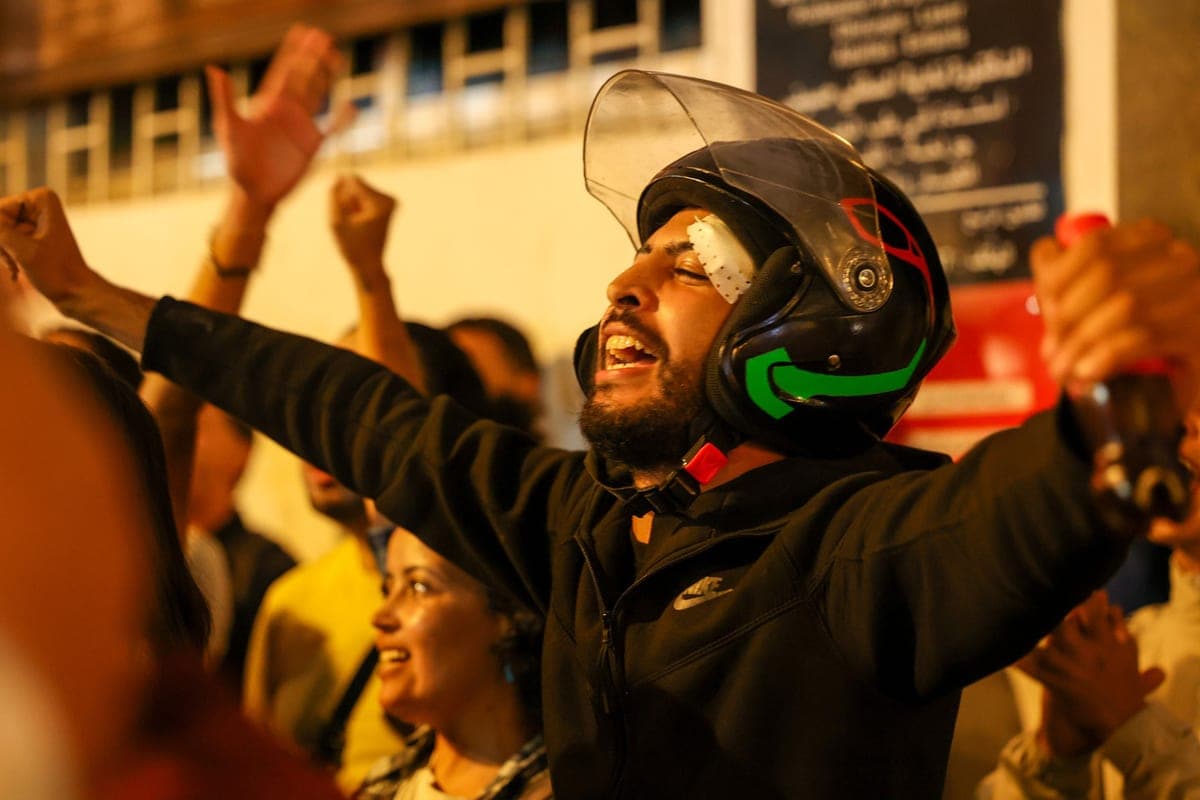
The Moroccan side also shows a high degree of involvement in the fight, but within the kingdom there is a noticeable discord between sports officials and the government. President of the Royal Moroccan Football Federation Fuzi Lekjaa in September at a profile event hastened to announce that Casablanca will be honored to host the final match of the World Cup in 2030.
However, that optimism was quickly chilled by Moroccan Prime Minister Aziz Ahanoush. The head of government said that the issue of the venue of the final was not even discussed with Spain and Portugal, in fact denying the statements of his sports official and admitting that the Moroccan side has no agreements on this issue.
Fifa's position and bureaucratic waiting
The International Football Federation has maintained ostentatious calm amid a raging political storm. In a comment to Reuters in September, FIFA said that the venue for the final will be determined in due time, not succumbing to the emotional attacks of individual politicians.
See the photo gallery on the topic
The decision-making process moved to a practical level: in November, representatives of the federation began inspection visits to candidate cities in Spain, Portugal and Morocco. Experts assess the suitability of the infrastructure for holding matches of this level.
The 2030 World Cup is already teaching lessons in sports diplomacy. Threats of boycott by the Spanish opposition, hasty statements by Moroccan functionaries and their denials by the government show that behind the facade of the football festival lurks a fierce struggle for prestige and influence. FIFA will have to make a difficult decision that will inevitably cause discontent on one side, turning the sporting tournament into a hostage to geopolitical ambitions.