Candid interview with a doping control officer who worked with Belarusian athletes
Sport is not only about awards and triumphs, but also a huge industry hidden from the eyes of fans. Athletes become real stars, coaches know in person and...
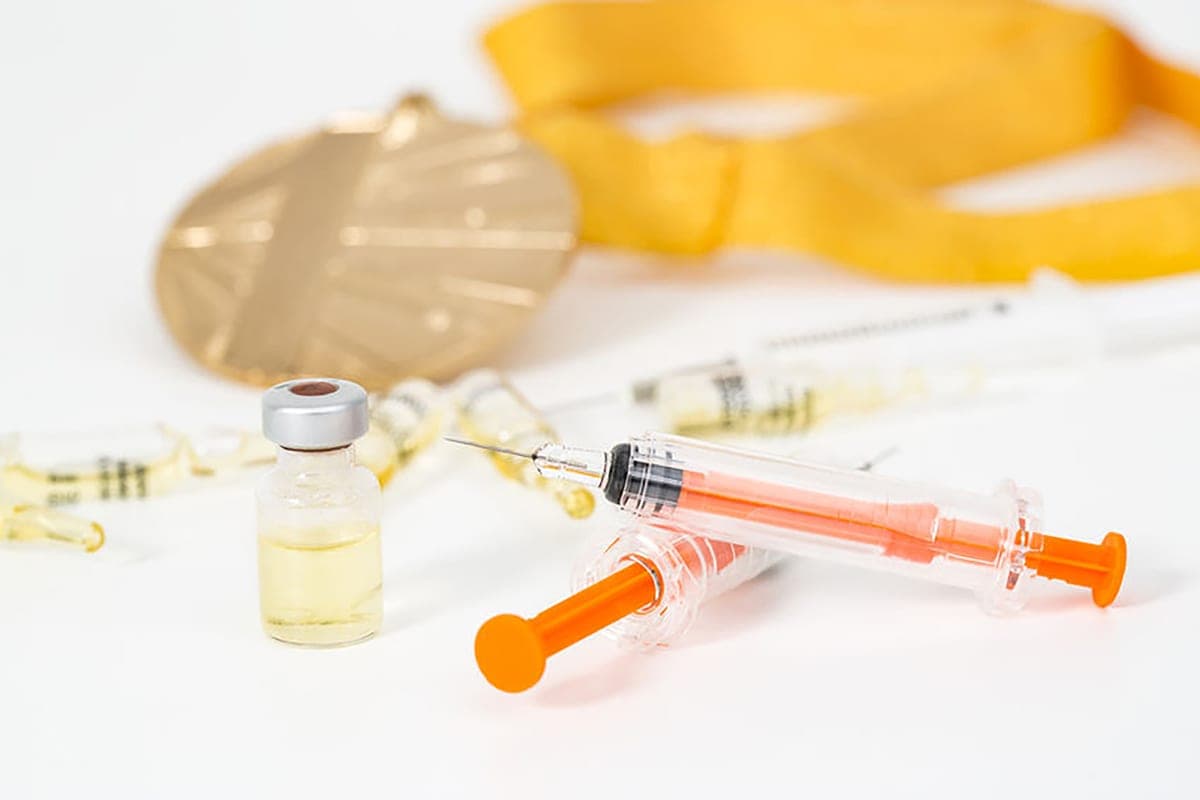
Sport is not only about awards and triumphs, but also a huge industry hidden from the eyes of fans. Athletes become real stars, coaches are known to the face and admire their ability to bring the team to victory. Judges flash on screens, and their decisions sometimes cause serious controversy. However, in this system, there are those who remain out of sight. Doping control officers are from this cohort. Their work remains invisible to fans, but they play an important role in the final distribution of medals.
Current and former doping officers tend to avoid public scrutiny and rarely agree to interviews. Nevertheless, we managed to communicate with one of them – a specialist from Belarus Polina Mikhailova.
- How long have you worked in the field of anti-doping?
- Three and a half years. The first and a half – as a specialist in anti-doping education. I want to note that the educational function is the main one for all such agencies. We often held seminars, webinars and other training meetings for athletes. I spent another two years in the testing department, which takes urine and blood samples. Blood sampling was not part of my duties, since I do not have a medical education, and usually specialists work with venous blood. Now there is a method of “dry drops of blood”, which allows you to collect drops, for example, from a finger or shoulder. But here it is impossible without medical education.
- How to decide what material is needed for the test?
- Most of the samples are urine. Blood is selected in sports, where much depends on endurance and, accordingly, the level of oxygen in the blood, or where, for example, there are risks of using growth hormone to quickly gain muscle mass. To facilitate calculations, there is a special document that helps to calculate the required number of certain types of analyzes. When planning testing, doping control employees are guided primarily by it.
- Tell us about the specifics of your work?
- Many people think that the process of taking the test is like going to the clinic. It's actually much more complicated. Testing of athletes is a strictly regulated and multi-stage procedure that requires high accuracy and responsible attitude. Sample delivery takes place under constant supervision. I had to follow all the rules carefully and fill out the protocols. She also participated in the preparation of the competition, interacting with the organizers and preparing doping control points.
She also performed the duties of the chaperone, notifying and accompanying athletes. During the out-of-competition period, she visited athletes for testing at the addresses indicated by them, because one of the basic rules of doping control is that an athlete can be tested anywhere and at any time.
- In what competitions did you have experience?
The main period of my work fell on the international ban. For the most part, I worked inside the country, at Belarusian starts. The biggest tournament that I managed to catch was the II Games of the CIS countries. But at the end of its activity, it still managed to hook up several international competitions and work with athletes from near and far abroad.
- Can you describe the testing process for athletes?
- The athlete is notified and escorted to the sampling area. Urine is given under the supervision of a specialist of the same sex and is divided into two parts - samples A and B. Samples are packaged and sent to accredited laboratories for analysis to World Anti-Doping Agency standards. Sample A is opened immediately, and sample B - with controversial results at the request of the athlete. At the end of the procedure, the athlete signs a protocol recording the entire testing process. Doping control is divided into two main types of testing: competitive and out-of-competition. The second option is especially often used for high-level athletes and members of national and national teams by sport. Preliminary special pool is created, which includes both them and those who, for example, have been disqualified and are going to return to participate in sports activities. This is done to ensure the principle of clean sport.
What is the action of a doping officer if the athlete agrees to be tested, but physically cannot provide the required biological material?
- When taking a blood sample, the rule of three attempts applies. If, for any reason, the doping officer still fails to select the required amount, the procedure is completed, and this fact is recorded in the protocol. In the case of urine breakdown, the rules are stricter. The athlete must remain under observation for as long as it takes to pass. The minimum volume is 90 milliliters. Sometimes it is difficult for an athlete to provide a sample for a long time, and this can be influenced by various reasons: psychological stress or nuances of preparation, for example, "drying" in wrestlers. In my practice, there was a case when an athlete could not provide material for more than 12 hours. The whole time I was there waiting.
- How did athletes respond to the requirement to pass a doping test?
- In different ways: someone calm, someone with indifference, and someone with discontent. There were moments when the athlete was upset or annoyed, especially after defeats in the final. In such cases, tactfulness helped. And I personally did not have conflict situations, I was lucky with it.
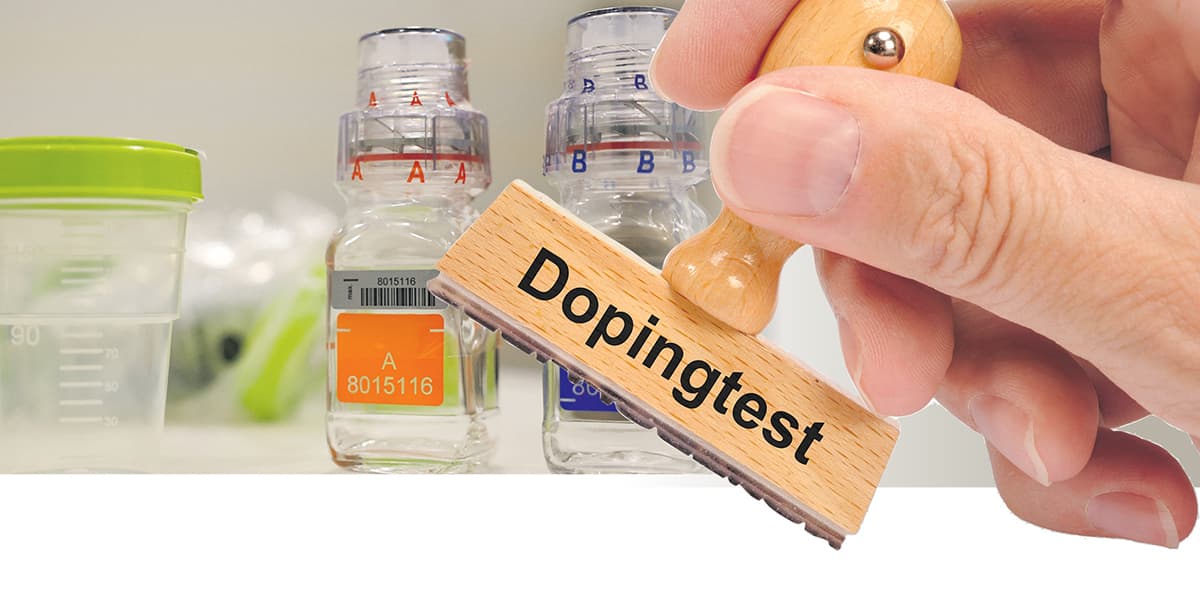
- The entire set of equipment, including containers and packaging, is strictly certified and fully complies with international standards. The athlete himself chooses containers for samples and seals them himself. He also checks the integrity of the packaging. Autopsy is possible only in a laboratory where special technologies are used.
- How is the confidentiality of athletes maintained during testing?
- Each sample, each jar and lid have a unique number. The lab knows only him, but does not know the name of the athlete. This number is entered into the system by the anti-doping organization, and the laboratory after the analysis is completed enters the result under the same number. The system then links that data. Only in this way can certain professionals see what the result is for a particular athlete, while maintaining complete confidentiality.
- Are there significant differences in the work of a doping officer depending on the sport?
- The sampling procedure remains identical. But there are sports that, according to official statistics, are considered more risky in terms of doping. International recommendations require special attention. These include, for example, weightlifting, athletics, cycling. Nevertheless, doping control is carried out even in such forms as chess, darts and go.
- What is the penalty for an athlete in case of refusal to undergo doping control?
- As a rule, automatically threatens disqualification for a period of four years. This means that an athlete may lose the right to compete, interact with team specialists and train with professional athletes. But when refused, doping officers always seek to remind of the consequences, find out the cause and try to influence the athlete through proxies.
- What common doping myth would you like to debunk?
- The myth that doping is always the result of malice. This is often due to the negligence of the athlete. For example, he could have a corny headache, and he took the first pill from the first aid kit, without checking the composition and without consulting a doctor. And the responsibility for non-compliance with anti-doping rules is primarily borne by athletes, even young people. Any further violations will require strong evidence of an unintentional nature. Caution, responsibility and compliance with WADA’s World Anti-Doping Code are the best ways to avoid problems.
infong@sb.by