Japan shamed: Asian Games in Nagoya became a symbol of organizational collapse
The organizers of the Asian Games in Nagoya apologized for the logistical collapse. The increase in the number of participants to 17,000 caused a shortage of seats and traffic disruptions. Athletes complain of tightness and cancellation of training due to the failure of buses. The head of the committee acknowledged the mistakes, promising improvements. Despite assurances, incidents continue: Mongolian basketball players were left without classes, and athletes are settled on cruise ships with delays.
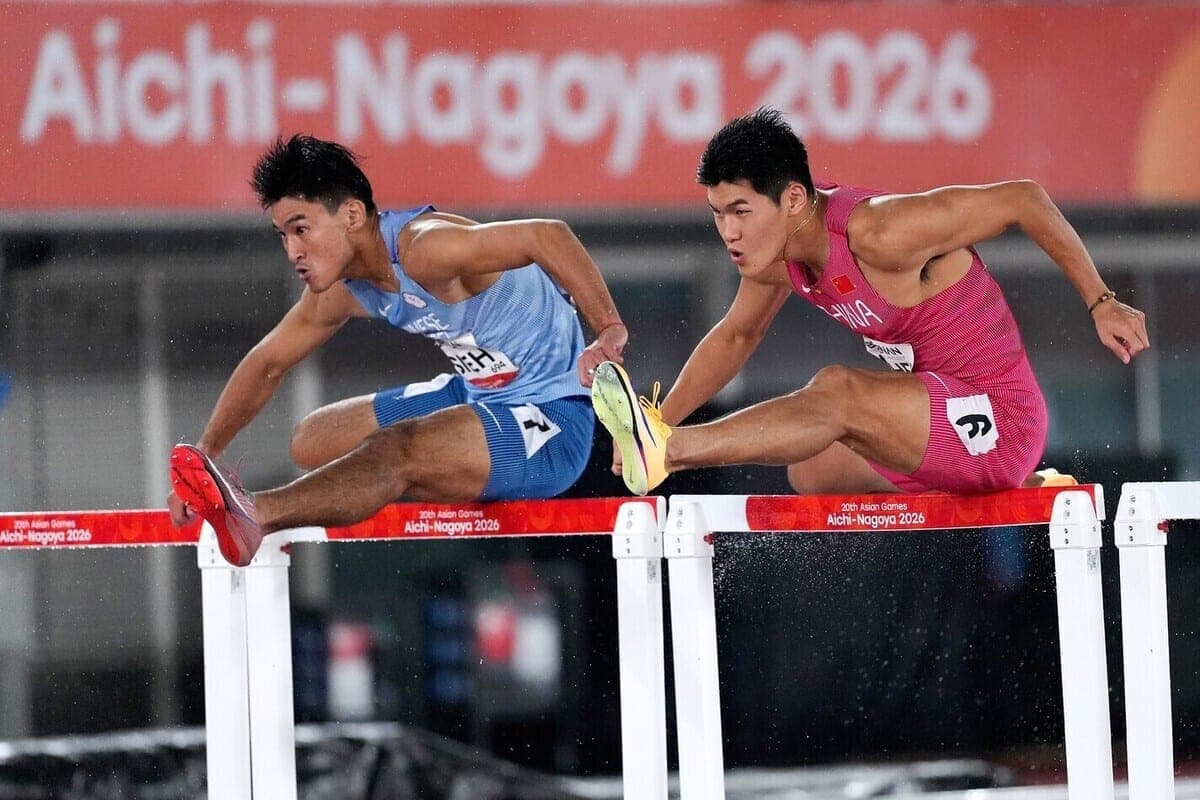
Apologies instead of medals: Nagoya Asian Games organisers failed basic logistics.
The Twentieth Asian Games, which took place in the venues of Nagoya and Aichi Prefecture between September 19 and October 4, 2026, risk going down in history not with sporting triumphs, but with a chronicle of organizational chaos. On Saturday, September 26, the leadership of the AINAGOC Organizing Committee had to publicly repent for the transport and housing collapse that paralyzed the training of athletes.
The official version of the organizers sounds like an attempt to shift the blame on the circumstances: a sudden influx of participants. According to the committee, due to late applications, the total number of delegates to the continental forum jumped to 17,000 people, exceeding initial forecasts by two thousand. However, this force majeure does not negate the fact that the receiving party was not ready to calculate the resources. Athletes are facing cramped rooms, uncomfortable small beds and systematic transfer delays, prompting a wave of justifiable outrage.
AINAGOC Secretary General Satoshi Murate at an emergency press conference admitted that mistakes were made in terms of accommodation and logistics. Putting the committee fully responsible for what happened, he promised staff were working daily to fix the disruption. According to the official, conditions have already begun to improve compared to the first days, and the main priority now is to create opportunities for athletes to perform at the highest level. Murate expressed hope that in the second half of the Games, the process management will become smoother and more efficient.
On the ground, however, these bureaucratic promises are being shattered by a harsh reality. The head coach of the Mongolian women’s basketball team, Javier Garcia Alvarez, has faced a situation that is considered absolute nonsense in professional sports. Due to the fact that the team bus simply did not arrive at the gathering place, the team had to urgently cancel the planned training and throwing exercises. An experienced specialist who has repeatedly participated in the FIBA Asian Cups and the Asian Games in Incheon, noted that he had never faced such a level of transport failure before, calling the incident an extremely offensive breakdown of the preparatory process.
Things are no better with the exotic solutions of the organizers. Part of the participants, including Filipino squashist Yvonne Alysse Dalide, was placed aboard the chartered cruise ship. Instead of a comfortable rest, the athlete received a long wait to settle in the cabin. However, the resourceful athlete managed to find the positive in the absurd situation, noting that the organizers could have prepared better, but the very fact of the first cruise in her life became a unique, albeit forced bonus of the tournament.
See the photo gallery on the topic
The situation in Aichi Nagoya clearly demonstrates how the ambitions of a large-scale forum are broken by the inability of officials to calculate elementary logistics chains. While the committee reports on the improvement of conditions and apologizes, athletes are forced to spend their nerves and energy fighting not with opponents, but with organizational incompetence.