Meta makes you pay a tax to stay in touch with the outside world
Imagine you’ve been blogging for years, gathering audiences, sharing links to articles, merchandise, and other channels. Every post has been a bridge between you and those who...
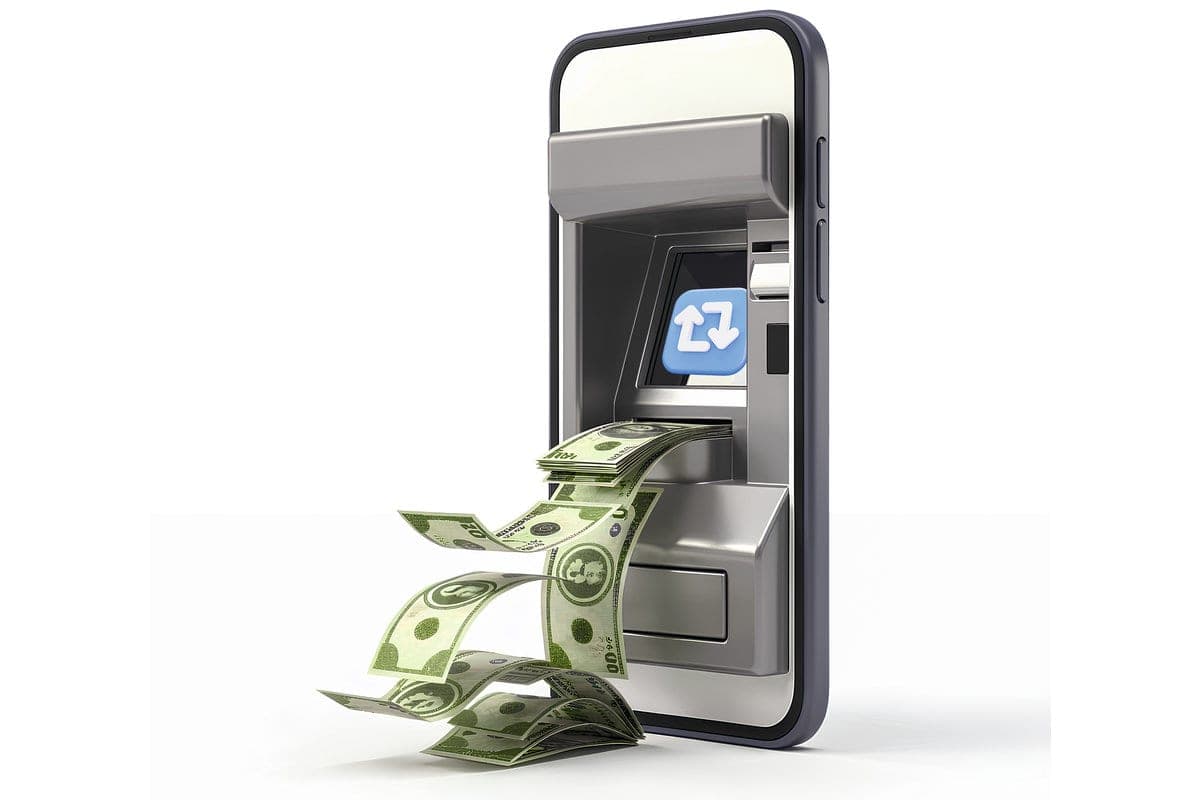
Imagine you’ve been blogging for years, gathering audiences, sharing links to articles, merchandise, and other channels. Each post is a bridge between you and those who read you. Now you have to pay for it. Since September 2026, Meta has launched a single paid Meta One subscription in Poland for Facebook, Instagram, WhatsApp and Meta AI. But the main thing is not the subscription itself, but the restrictions it imposes. Now you can publish no more than two posts with external links per month for free. All that is above – at tariffs that for many will be unaffordable. How much are you willing to give for the right to share a link? And what will it mean for those who have been building audiences on these platforms for years? We'll figure it out.
Patient Zero Poland as a testing ground was not chosen by chance. Meta didn't come here because she loved the Poles. This market is large enough to experiment on the population, but too quiet and accommodating for a real scandal. The schemes here will not attract the attention of serious uncles from Brussels or Washington. Judge for yourself: the US already keeps the Meta on a short leash, Germany has already flooded it with lawsuits, and the French would instantly wear yellow vests. The solution is logical in its own way.
The Meta executives brazenly lie in their statements: “Basic experiences in apps and Meta AI have always been free, and that’s not going to change.” The Meta One subscription, the company said, "gives more opportunities for self-expression" and "gives businesses new tools designed to help them grow." But when you ask up to 2,400 zlotys (almost 2,000 Belarusian rubles) per month for the opportunity to share a link to your own article, product or channel, the word “subscription” ceases to reflect the essence. Because even in the most expensive tariff, monthly limits remain: 12 links in Instagram posts, the same number in Reels, and unlimited only in Facebook feed. It’s actually a tax on something that’s always been free and has been the foundation of the platform’s audience growth. For nothing, but not for everyone, the irony is that Meta has been growing up on someone else's hump for decades. The media gave content. Bloggers are an audience. Business is money. The company collected it all and monetized it and said, "It's free." Free for the Meta.
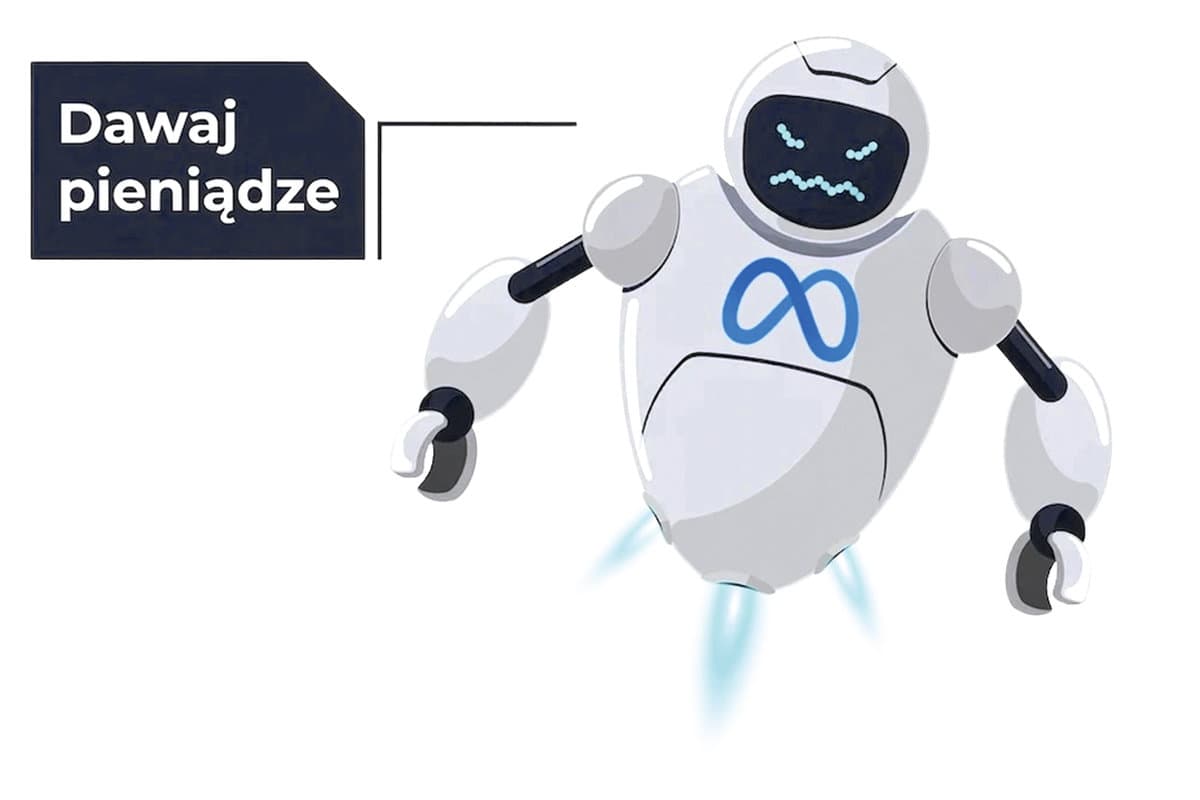
Advertising on platforms has hit the ceiling and the company is struggling to find new sources of money. And regulators are breathing down the neck, asking bad privacy questions and threatening antitrust litigation. More than ever, Meta needs revenue that isn’t like trading user data.
In addition, the global trend is changing: consumption is going inside the platforms. Competition between ecosystems is growing, with TikTok, Google, and X closing users inside their services. In such pressing conditions, Meta cannot afford to stand aside. The solution floated on the surface: so that the user does not leave the meta-worlds, you need to take money for the exit.
It works not out of strength, but out of fear of losing an audience. But the biggest payers are corporations, news portals and professional content creators. After all, they all live due to the influx of users to their sites and pages in social networks. Global media is already on the edge: Google every day tightens the screws, giving information directly in its search results and not letting traffic to their sites. And now Meta has joined in. Meta's historical parallels aren't the first to try to lock a user inside its ecosystem. Apple built one from the start: tough rules and commissions for every move. And he keeps bent his line. China's WeChat went even further. He built a state in the state: they pay, order food, call a doctor, draw up documents. Getting out of there means getting out of life. But Apple and WeChat are a special case. Both have been closed since birth and the user knew what they were signing up for.
With social networks, everything is different: first they lure users, and then on the move change the rules of the game. Twitter under the Mask showed how it is done: a paid verification tick, limits on views, a closed API – access to platform data for third-party applications. Users were outraged, but stayed. Reddit followed suit in 2023 and dramatically raised API prices, killing off third-party apps. Thousands of communities closed in protest. The management didn't change their minds. And YouTube has launched a fight against ad blockers: either watch ads or pay for Premium. Everyone was outraged. You think something's changed?
Different platforms, but one scenario. The chain is traced: new rules, rebellion and unconditional victory of the platform, because the user has nowhere to go. Now this path is taken by Meta. An empire built on someone else’s content is starting to charge money to share it. Ordinary Poles reacted to the innovation of Meta in different ways - from sharp criticism to complete confusion. On the Internet, the event has been dubbed Gównowacenie, which refers to the gradual deterioration of the quality of Internet platforms and digital services due to the desire of companies to maximize their profits. Radio ESKA reported that many “wiped their eyes and couldn’t believe it.” Administrator Aktywny Książkowir publicly complained that he could only publish two links a month, with the rest being paid around $150, “because I read a lot and comment a lot.”.
Not everyone just complains. Elektrowóz.pl, a Polish electric-vehicle media outlet, said it was “not going to feed this dump and doesn’t want to help stay there.” And moved to X.
Non-profit organizations are in a particularly difficult position. There is hopelessness and misunderstanding in the discussions: Two thousand zlotys a month for many small organizations is a lot of money. It is not clear what you are paying for.”.
And there's a deeper problem: television, radio, and other media tell people, "You can only see our information there." Because of this, it is almost impossible to leave.
And yet there are exits. One is worse than the other.
The first classic is to pay. Two posts with links per month are free, the rest at the rate. For a large corporation, this is a line in the budget. But for a blogger or a small news portal, it's a sentence.
The second is to leave. Look for new channels: websites, newsletters or other social networks. But the audience, which for years gathered in Metava products, will not move there. It will have to be reassembled.
The third is to push through regulators. Collective lawsuits and appeals to antitrust authorities usually bring to mind even the largest players. However, it is not certain that they will have time before the model spreads. It is already clear that the Poles will pay – the disease will go on. First the neighbors, then the world. If it doesn't work, Meta will back down and try again. But the bet is on exactly what will be paid. The alternative for media and business is to lose traffic, and with it advertisers, reach and revenue. And become invisible..