Igor Krasnov reported on five models of AI used by the Supreme court
The head of the Supreme Court, Igor Krasnov, said that the Russian judicial system is undergoing “global modernization and digital transformation”, including the introduction of AI technologies
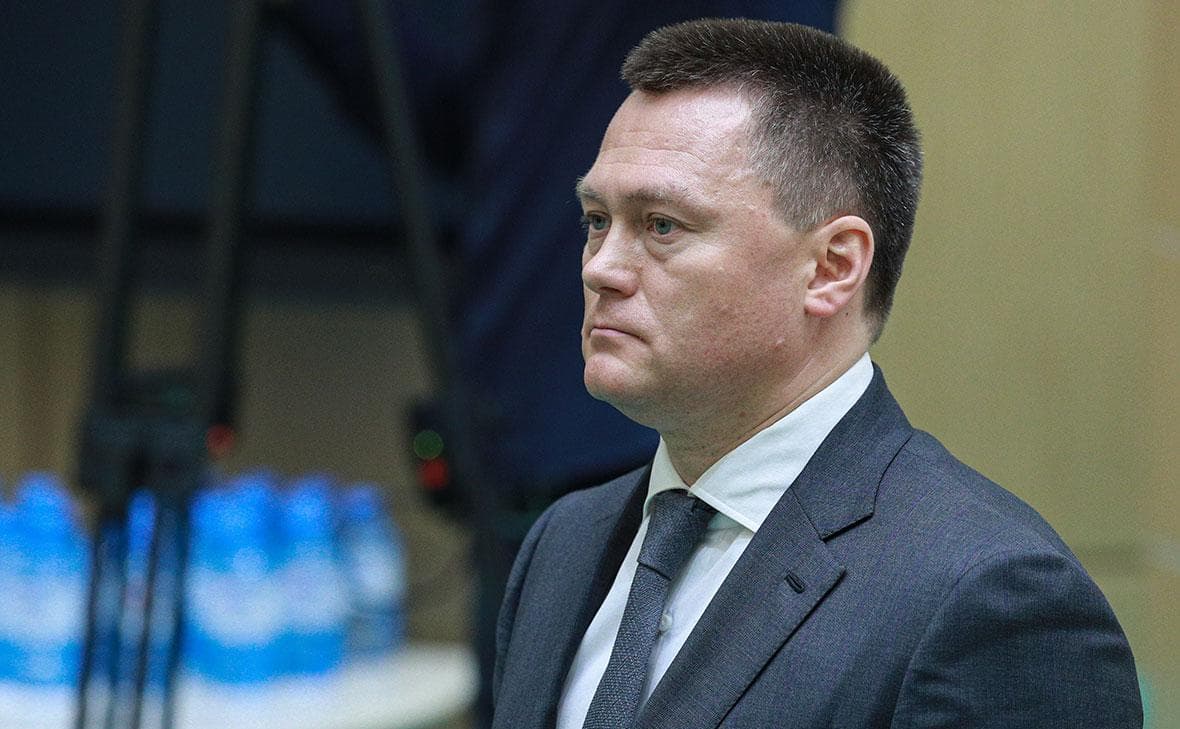
The Supreme Court uses five models of artificial intelligence in its work, Chairman of the Russian Armed Forces Igor Krasnov said at a meeting with Azerbaijan’s Prosecutor General Kamran Aliyev. He noted that the Russian judicial system is undergoing “global modernization and digital transformation”, aimed, among other things, at the introduction of AI technologies.
“Despite the fact that now we represent different institutions of the legal system, we are united by a common goal related to ensuring the rule of law, protecting the constitutional rights of citizens and strengthening the rule of law,” Krasnov said at the meeting. From 2020 to 2025, he headed the Prosecutor General’s Office of Russia.
According to Igor Krasnov, the preservation of “constructive dialogue, friendly relations and mutual trust” between Russia and Azerbaijan creates conditions for the development of cooperation in new areas. In particular, the Chairman of the Armed Forces proposed to strengthen contacts with the highest judicial instance of Azerbaijan and asked to convey to its Chairman Inam Kerimov “the warmest words of greetings”.
Krasnov also spoke about Azerbaijan’s experience in the digitalization of judicial and law enforcement systems. He noted the development of information systems “Electronic Prosecutor’s Office” and “Electronic Court”. According to the Chairman of the Armed Forces, taking into account modern trends in the development of artificial intelligence, the results of this work are of mutual interest.
On September 29, Krasnov also met with Iranian Prosecutor General Mohammad Movahedi Azad. One of the topics of the talks was the development and application of new technologies and generative artificial intelligence in judicial and law enforcement activities. Krasnov spoke about the state information project Digital Justice, which is being implemented in the Russian judicial system.
“We are studying with interest the experience of the Islamic Republic of Iran, including the achievements of the Prosecutor General’s Office and the judiciary in the implementation of national e-justice programs,” he said. According to him, in early September, he discussed these issues in detail on the sidelines of the BRICS forum in India with the head of the Iranian judiciary, Gholam Hossein Mohseni-Ezhei.
Krasnov called the visit of Movahedi Azad a continuation of many years of constructive cooperation between Russia and Iran. He expressed confidence that professional cooperation between the two countries will continue and contribute to the strengthening of national legal systems to ensure the protection of the rights of citizens of Russia and Iran.
By 2030, more than 95% of Russian judges should use AI-based services, and the share of procedural documents generated with its help can reach 30-50%. These indicators are enshrined in the concept of implementing AI technologies in court proceedings, approved by the Chairman of the Supreme Court. The document provides for the use of AI at all stages of work with the court case - from filing documents to the execution of the judicial act and its verification by higher authorities. At the same time, the final decision is always left to the person, and the AI should perform a supporting function.
In September, Krasnov invited the BRICS countries to form common ethical principles for the use of AI in judicial practice, including the inadmissibility of delegation of decision to the algorithm. The decision in the case, the assessment of evidence and the application of law remain an act of human judgment based on law and professional experience, not probability.