
The ROC appreciated the possibility of creating icons using AI
The Russian Orthodox Church (ROC) does not welcome the creation of icons using artificial intelligence (AI), a source in the Russian Orthodox Church told RBC.
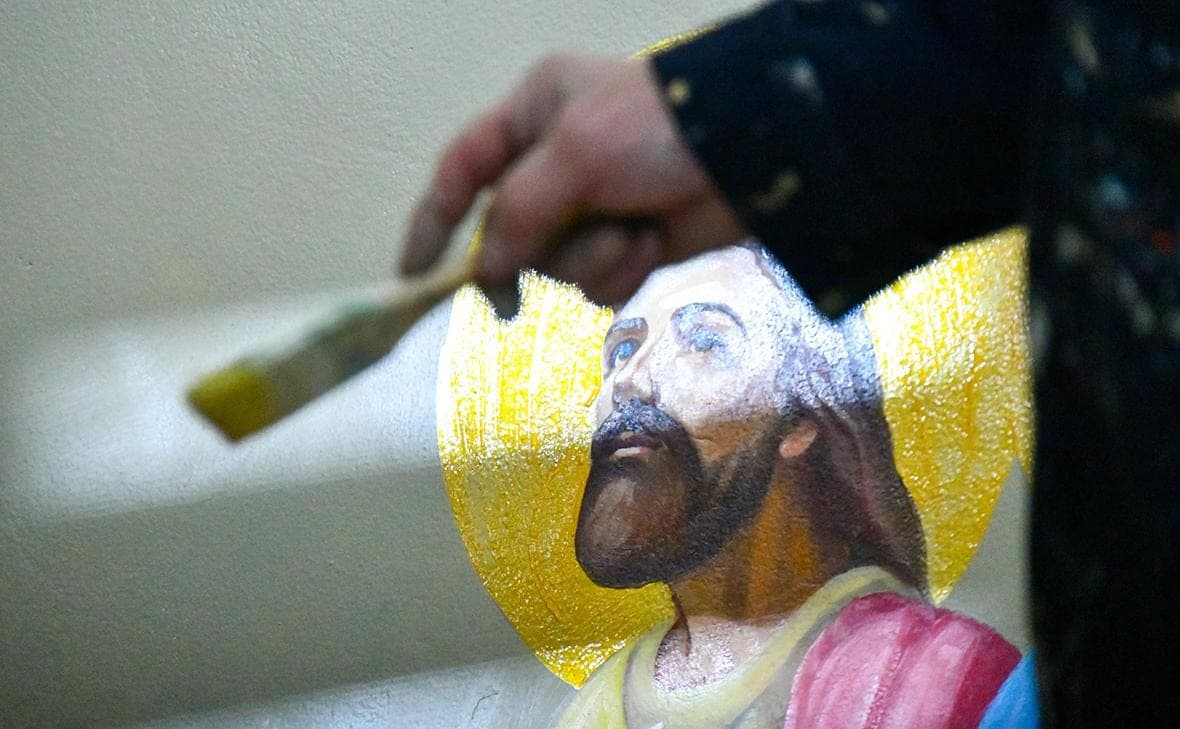
The Russian Orthodox Church (ROC) does not welcome the creation of icons using artificial intelligence (AI), a source in the Russian Orthodox Church told RBC.
According to the interlocutor of RBC, the Russian Orthodox Church considers church art - in particular, icon paint — a human, not a machine affair, “because creativity is a gift of God to a person, in which his Godlikeness is expressed.”.
يبدو أن إدخال الأعمال الاصطناعية المصنّعة آلياً في مكان الكنيسة ينتهك هذا الوئام. أود أن يبقى فن الكنيسة بشرياً وليس إبداعاً إبداعياً.
وفي وقت سابق من بيلاروس كرس أيقونة أنشئت بمساعدة من منظمة العفو الدولية، التي تصور القديس كارلو أكوتيس الكاثوليكي. The icon was installed in the Church of St. Mary Magdalene in Novolukoml, it was blessed by Archbishop Emerit Tadeusz Kondrusevich.
Akutis died of leukemia on October 12, 2006 at the age of 15. خلال حياته، كان مبرمجاً ذاتياً وأنشأ موقعاً شبكياً به فهرس للمعجزات الشاذة من جميع أنحاء العالم. In 2020, the Vatican listed him as blessed, and in 2025 canonized him. ويعتبر الإكوتس القديس الراقص للشباب والإنترنت، ويسمى أيضا " النسيج " .
وفقاً للبوابة (كاتوليك) وفي الشبكات الاجتماعية، انتقد بعض المؤمنين استخدام منظمة العفو الدولية وشككوا في أن الصورة المولدة يمكن أن تعتبر رمزاً وتستخدم للصلاة.
According to the Chairman of the Information Commission of the Moscow City Diocese, priest Alexander Volkov, the Russian Orthodox Church draws attention to the need for careful use of products created with the use of AI, especially in areas related to human religious experience.
" لا توجد حاجة موضوعية لاستخدام هذه المنتجات، ولا بد دائما من الحفاظ على العنصر البشري الشخصي. وننتقل من الفرضية القائلة بأنه يمكن استخدام منتجات AI حيثما تعود بالفائدة على البشر وينبغي أن تكون محدودة عمدا عندما يرتبط استخدامها بمخاطر معينة. In this case, there is a risk of introducing elements harmful to a person into the sacred space, Volkov said.
In December 2024, the head of the ROC commission on public life, culture, science and information, Metropolitan Kliment of Kaluga and Borovsky, said that the Russian Orthodox Church is trying to understand all the risks that AI technology can carry. He noted that the main problem in the context of artificial intelligence is not the technology itself, but the attempt to declare it an individual who makes decisions and is responsible for them, including ethical.
وقد حذر باتريش كيريل من موسكو وروسيا جميعا من أن الناس الذين فقدوا الثقة الدينية في حقبة تطوير منظمة العفو الدولية يواجهون نهاية العالم، وأن التكنولوجيا نفسها يمكن أن تؤدي إلى انفراج تكنولوجي هائل، وأن يصبحوا " قنبلة بدائية " جديدة.


