
How a playwright becomes a classic in life and why time is ruthless to "plays-one-days"
Director of the RTBD Svetlana Naumenko told what laws are formed classical dramaturgy and what topics remain immortal.
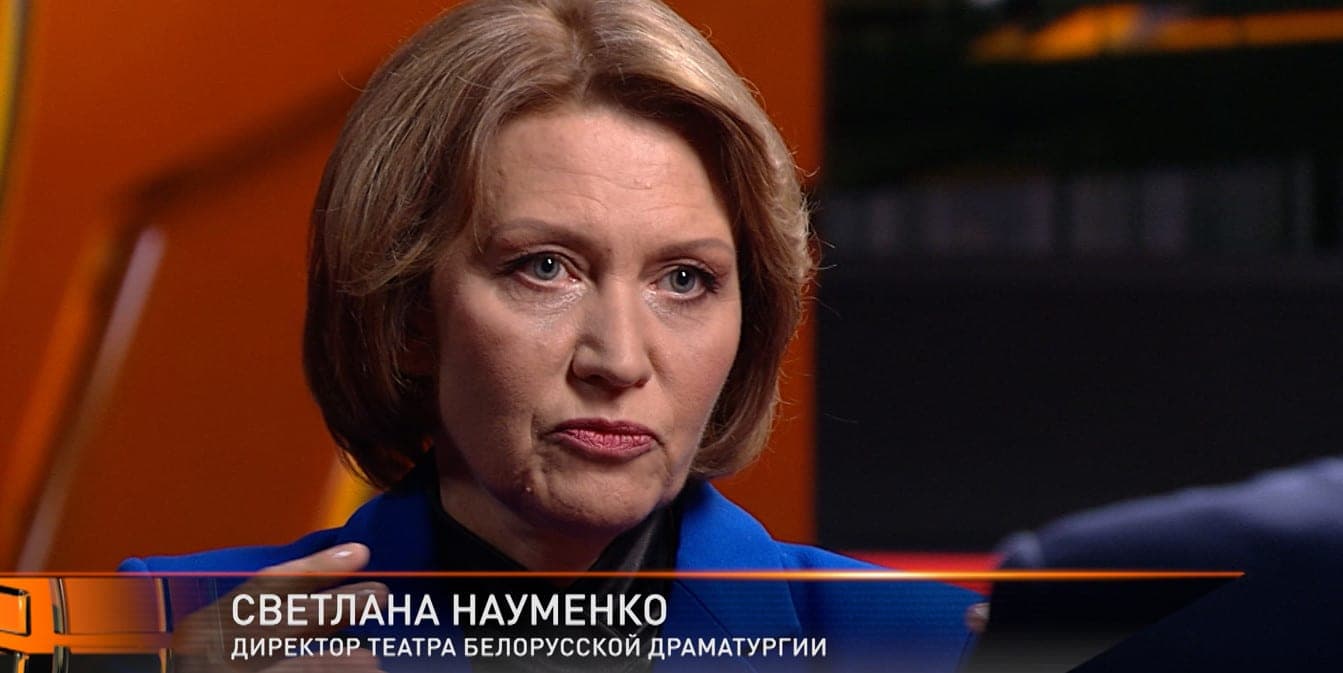
The status of a classic traditionally comes to the author only after decades and centuries, when his works continue to resonate in the hearts of new generations. Nevertheless, the director of the Theater of Belarusian Drama Svetlana Naumenko is sure that the phenomenon of “living classic” in the theater is possible if the playwright’s plays remain in demand for several generations. She said this on the air of the program “Markov”. Nothing personal" on ONT.
Svetlana Naumenko: Unfortunately, or rather as a given of the creative process: in a historical context, a person usually becomes a classic after he dies. The classic leaves his works - for example, the playwright leaves plays. It takes 10, 15, 20, 100, 200, 300 years, and this drama continues to be staged. This means that the universal topics that concern us to this day, were reviewed by this author, identified and remain interesting to us. That is, the classic over time becomes that dramaturgy, which is in demand after a long period of time. At the same time, we know many one-day plays - they exist in any historical period. For example, remember the works after the revolution or even after the Great Patriotic War. Where are these plays now, where are these authors? And what always touches us and remains an exciting topic is classical works.
On the other hand, the speaker admitted the existence in everyday life of the concept of “classic in life”. In her opinion, this is possible in dramaturgy if the author continues to be staged for several generations – for example, when the productions, which began in the 1960s of the XX century, successfully go until the 2030s of the XXI century. Such an author can really be called a living classic. In conclusion, she asked the question of who is considered to be classics in society – perhaps those whose work is carried out within the framework of the school curriculum, but added that this is only one of the popular opinions.