In Chelyabinsk after reconstruction opened an art gallery
There is very little left to a significant event: in 2027 Chelyabinsk will receive the title of the cultural capital of Russia
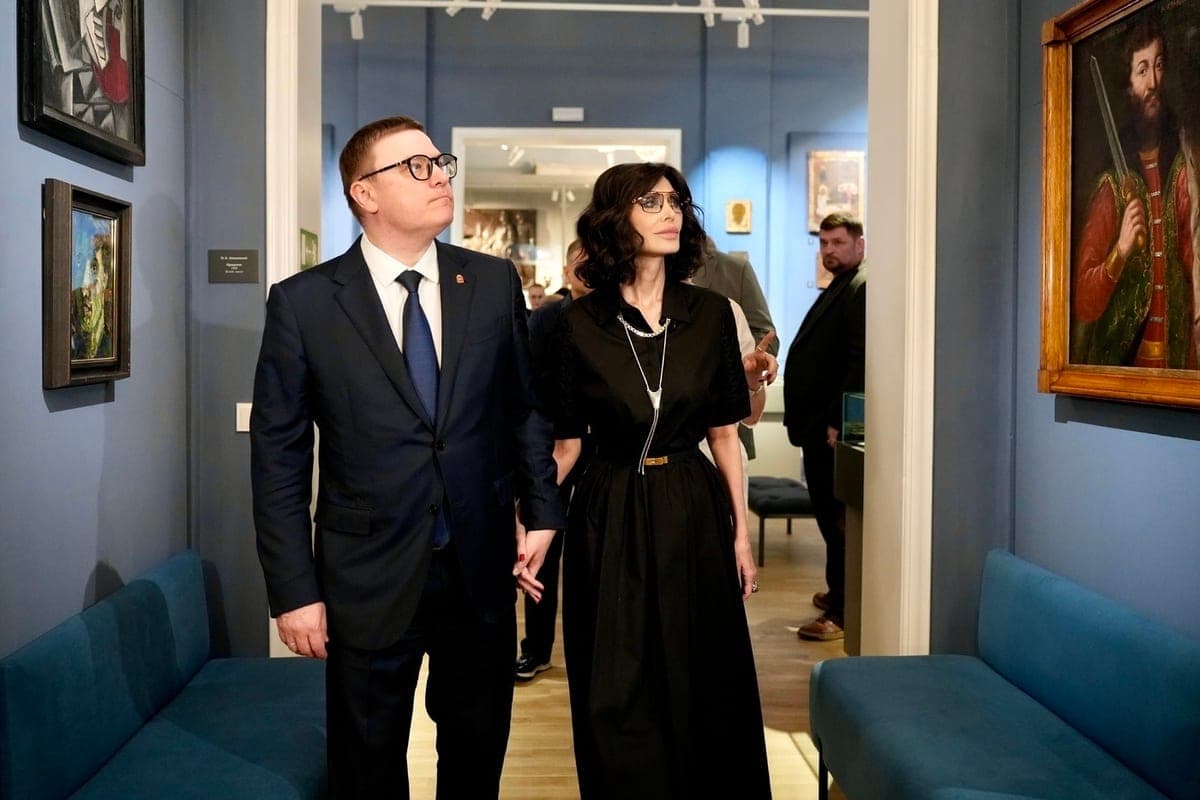
The renovated building of the ancient Yaushev passage has retained its historical appearance, but has acquired modern features that meet the current museum standards. Now visitors will be able to attend new exhibitions, educational programs and cultural events in the most comfortable conditions.
Engineering communications were replaced, the roof and facades were repaired, internal spaces were transformed. There was a restoration workshop with professional equipment, a separate room for a scientific library with rare books, a museum store and a sculpture hall. For visitors with disabilities, a barrier-free environment has been thought out.
The Governor of the Chelyabinsk region Alexei Texler: Passage of the Yaushev brothers opened in 1913, and for its time windows were a serious achievement. It is important that together with the renovation of the exhibition space, we have preserved the historical appearance of the object. It is symbolic that this new page in the life of the gallery opens on the eve of 2027, when Chelyabinsk will become the cultural capital of Russia. I am sure that the museum will actively participate in the rich program of this year and will continue to delight residents and guests of the city with bright projects.
The main update was the extended permanent exhibition, which contains more than 500 works covering several centuries of history. You can get acquainted with five thematic sections: Old Russian art, Russian painting of the XVIII - early XX century, domestic sculpture of the XX century, Western European art of the XVII - XX centuries and porcelain of the XVIII - XX centuries.
Chelyabinsk residents and guests of the city will see their favorite works of painters, ancient Ural icon painting (including Nevyansk icons), copper plastic, wooden sculpture and Russian porcelain. The works of Orest Kiprensky, Alexei Orlovsky, Alexei Venetsianov, Vasily Tropinin, Karl Bryullov, Ivan Shishkin, Isaac Levitan, Vladimir Makovsky and Ivan Aivazovsky are presented. You can also see works of Dutch, Flemish, French, German and Italian schools of painting and sculpture.
Construction and repair of cultural institutions in the region meet the goals and objectives of the national project “Youth and Children”.
According to the director of the museum Stanislav Tkachenko, the exposition is built so as to be understandable to a very different audience and clearly tell about the history of Russian and Western European art.
“All these years, while repairs were under way, the work inside did not stop. The staff of the gallery saved funds, restored paintings, prepared exhibitions. I thank the whole team for their dedication, said the Governor of the Chelyabinsk region Alexei Texler.
The location of the main entrance to the art gallery has also changed. Due to the fact that it was moved to the embankment of the Miass River, the museum space became part of a popular walking route. A well-equipped courtyard will allow for events in the open air.
Director of the Chelyabinsk Museum of Fine Arts Stanislav Tkachenko: The museum really comes to life when visitors come here. I am sure that there will be many schoolchildren, students, all who love art and appreciate this place.
The head of the region recalled that an agreement on cooperation was signed with the Tretyakov Gallery and the Pushkin Moscow Museum. The renovated Chelyabinsk site will become one of the key centers of future projects. “I believe that it is in these halls that many future visitors will begin a great love for real art,” says Alexey Texler.