
The head of JPMorgan revealed how the US became dependent on China for $ 500 million
JPMorgan CEO Jamie Dimon said it was “disgraceful” that the US was dependent on China for austerity. Instead of taxes, he called for reforming education and immigration, and tackling public sector fraud
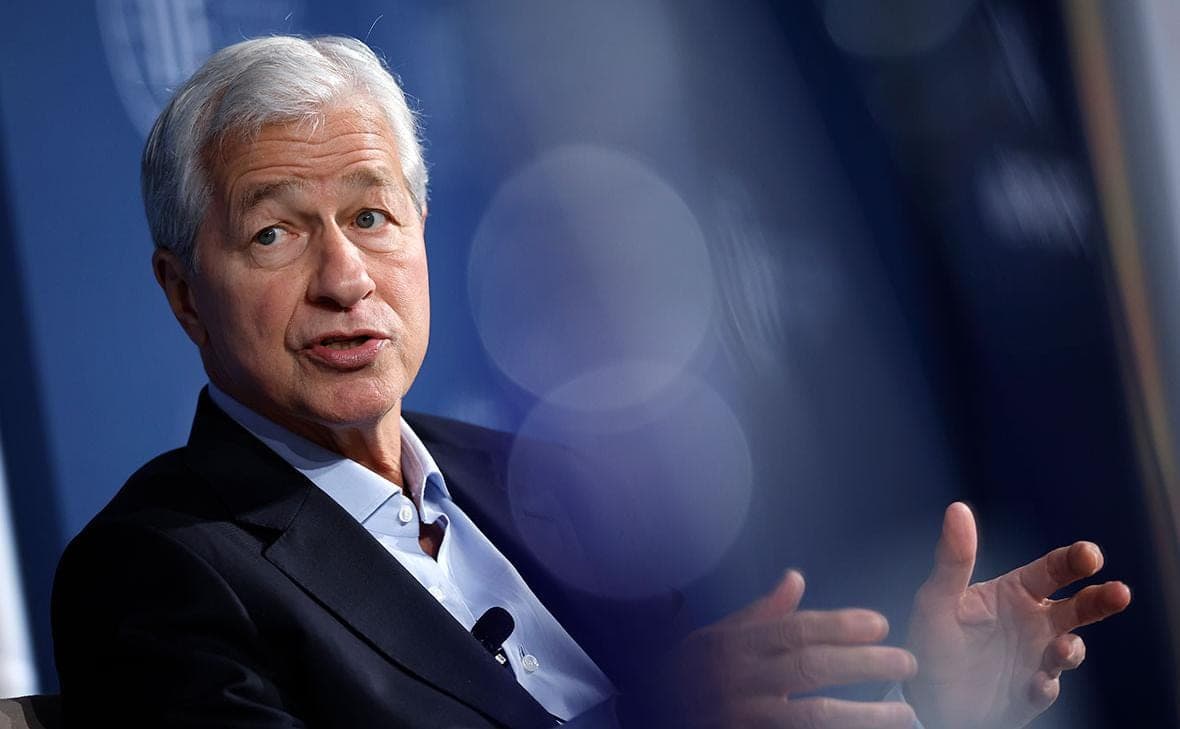
The push for austerity has put critical sectors of the U.S. economy at risk and made the U.S. dependent on China, JPMorgan Chase CEO Jamie Dimon said.
“We’ve saved on outsourcing rare earths — does anyone want to guess how much? Five hundred million dollars. We have become dependent on China to save on things like magnets used in cars and fighter jets. What we have done is a disgrace, Dimon told The Economic Club of Chicago.
To strengthen national capacity, he proposed shifting the focus from taxation and bloated public spending to the social sphere.
“You can make more money without raising taxes or spending. You can just fix the education system, ... settle immigration issues - it does not require costs, he added.
Dimon also urged to fight fraud in state structures.
"There's massive fraud going on in the government; it's necessary to deal with these scammers who are constantly appearing in the system," he said.
The head of the largest American bank also touched on the problems of shipbuilding. He called the Jones Act "stupid," which he said completely destroyed the U.S. shipbuilding ecosystem.
The Merchant Marine Act (Jones Act), passed in 1920, provides for the development and maintenance of the American merchant fleet. It regulates maritime trade in U.S. waters and between U.S. ports as well as cabotage (coastal trade). According to the law, all goods transported by water between U.S. ports must be carried on U.S. ships owned by Americans and manned by crews of U.S. citizens and residents.
In late September, the United States and China agreed to extend the bilateral trade truce. The agreement maintains reduced to 30% US duties on goods from China and to 10% Chinese duties on imports from the United States (after peak values of 145% and 125%, respectively). There was no complete zeroing of tariffs. China also pledged to buy 20 million tons of coal from the United States every year in 2027-2028.
US Secretary of State Marco Rubio called China the main geopolitical challenge for Washington, and relations with Beijing are among the most important. In an interview with Fox News, he said the parties would have to manage conflicts of interest to avoid wars and maintain stability.
Last summer, the FT wrote that Beijing had demanded that Western companies not build excess stocks of rare earth metals and finished products from them, including magnets that are used in electric motors and other critical technologies.
Recently, China has tightened export controls on seven rare earths (samaria, gadolinium, terbium, dysprosium, lutetium, scandium, yttrium) in response to Trump’s trade tariffs. The move has caused supply disruptions for the auto industry and other industries, despite temporary agreements between Washington and Beijing on tariffs.
