
Gas stations give the go-ahead: gasoline restrictions are gradually lifted
Over the past week from 13 to 19 October in 53 regions of Russia recorded a decrease in the cost of gasoline at gas stations
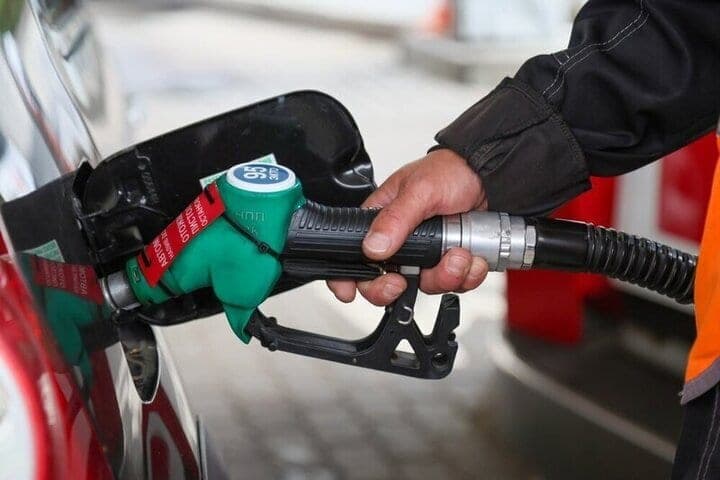
In the Tambov and Vologda regions, the average price decline was from 4.5% to 5.2%. Also, a significant drop of more than 3% was observed in Sevastopol, Sverdlovsk, Kaluga and Kostroma regions. In five regions of the country, including Mari El and Khakassia, the cost of gasoline fell by more than 2%. In the remaining subjects studied, the dynamics was less pronounced: in 17 subjects of the Federation, prices decreased by more than 1%, and in another 23, the decrease was less than 1%.
In Tatarstan, the average cost of motor gasoline is 72.06 rubles per liter. According to Rosstat, a liter of AI-92 costs an average of 69.04 rubles, AI-95 - 74.27 rubles, AI-98 and higher-class gasoline - 100.94 rubles. The average price of diesel fuel is 80.34 rubles per liter.
In addition, in the Russian regions began to actively remove restrictions on the sale of automotive fuel. In Sevastopol, where they operated for 5 months, completely abolished the limits. In the Sverdlovsk region and in the Krasnoyarsk region allowed to pour gasoline into canisters. Also, stabilization in the fuel market occurred in Novosibirsk, Penza and some other regions.
However, independent operators continue to experience procurement difficulties. Their fuel is intermittently supplied.
And although the situation at the gas station as a whole is stabilizing, Russian Deputy Prime Minister Alexander Novak on the sidelines of the Russian Energy Week on October 15 said that Russia will continue to import gasoline from abroad at least until the end of 2026. According to him, the country’s authorities are discussing the option that fuel of lower environmental classes be sold only through the exchange for transparency of transactions.
- The situation on the fuel market is getting better - including due to the fact that the summer season has ended and gasoline consumption is declining, - said Igor Yushkov, a leading analyst of the National Energy Security Fund, an expert at the Financial University under the Russian government. The decline began in September after the August peak. In November, there will be a second wave of decline in consumption. Many people do not drive their cars in winter, even winter tires do not have. But so far, the problems have not been solved. Novak said that the shortage of gasoline in the range of about 5% in the domestic market remains.
He also said that gasoline imports will remain until the end of the year. Why if the market has stabilized?
Problems still remain, during the repair of any refinery, there may be a shortage of fuel. In addition, the situation is different by brands of gasoline. 92nd, as a rule, without interruptions arrives at the gas station, but the higher the octane number, the more acute the situation is. As for imports, today it is almost non-existent from far abroad. Most supplies come from Belarus and small volumes from Kazakhstan. But gradually this delivery will decrease.
I think that in winter we will be able to fully supply the domestic market with gasoline. And then we will export it again, as it was before.
