
The cold autumn of the ruble: why it began to fall in November
The Russians did not have time to rejoice in the October strengthening of the ruble, as literally from the first days of November it again began to become cheaper
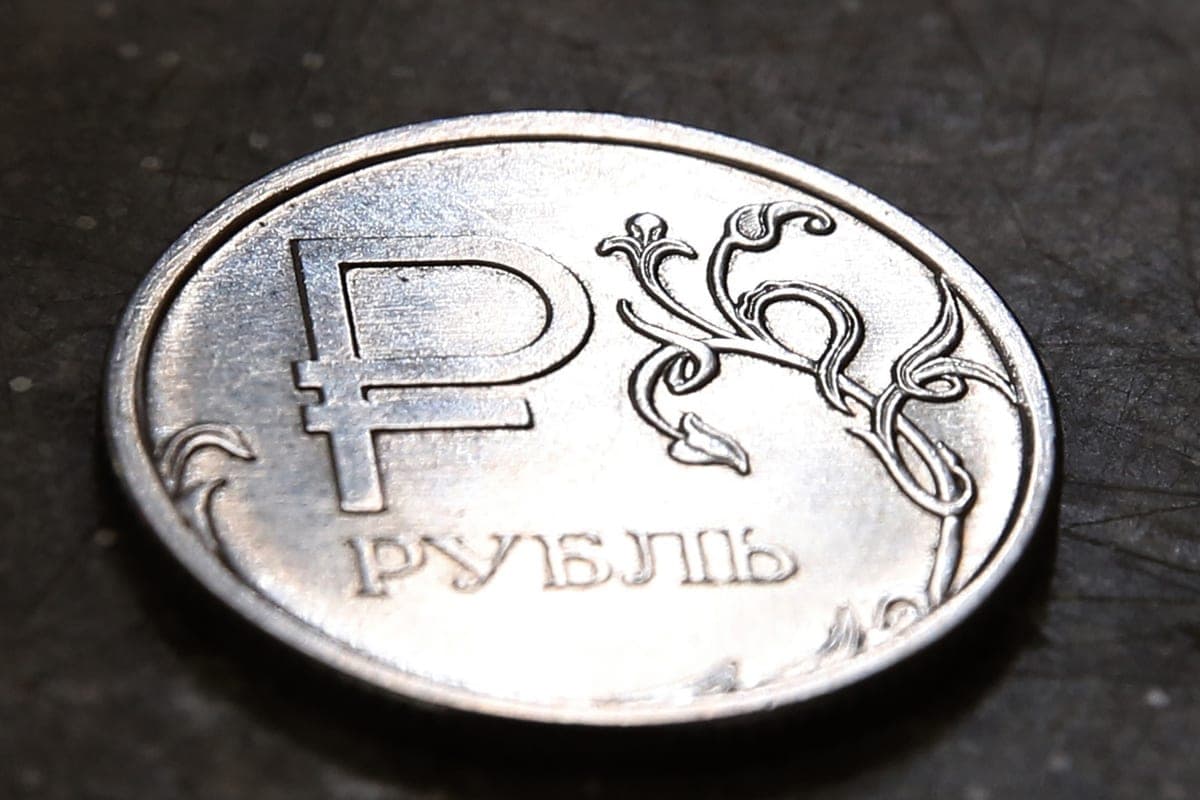
As you know, by the end of October, the Russian ruble took the second place among world currencies in strengthening against the dollar — its exchange rate increased by 4.65% to the “American” for the month. In early October, the official dollar exchange rate reached 85.7 rubles. After that, the ruble began to strengthen, ending the month at the turn of 80.5 per dollar. This gave reason to many analysts to predict that our currency by the end of the year will squeeze the “American”. A high key rate of 14% will contribute to this. It will increase the attractiveness of savings in rubles and curb the demand for currency. It was expected that at the next meeting on December 18, the Central Bank will most likely keep the key rate at the same level, which will give impetus to the national currency in strengthening it.
However, in the first days of November, the ruble began to weaken. In the period from 2 to 7, the ruble exchange rate changed from 80.5 to 82 per dollar. The ruble was losing a little, a penny, but every day.
At the same time, world oil prices are falling sharply. During the same period, the exchange value of the benchmark North Sea Brent brand fell to a minimum since August 31, making its way from $114 per barrel to $98. And oil is an important component of the ruble exchange rate
How can this affect the value of the national currency?
Today, experts believe that the balance of power is changing in the Russian foreign exchange market, and in November the dollar may reach 85 rubles. After the end of the tax period, which peaked on October 28, the ruble lost significant support for exporters.
According to some estimates, the actions of the Ministry of Finance will be the main deterrent to the growth of the ruble. From November 9 to December 4, the agency will allocate 312.63 billion rubles for the purchase of currency and gold. The daily volume of operations will increase to 15.6 billion against 12.7 billion in the previous period.
Thus, in November, the Russian currency may simultaneously be affected by lower oil prices and an increase in demand for foreign currency under the budget rule. This will create additional demand for the currency and limit the possibility of further strengthening of the ruble.
However, Georgy Ostapkovich, Research Director of the HSE Center for Market Studies, believes that it is impossible to predict the further movement of the ruble and oil prices by the first days of November. “Today we are celebrating price hikes. You need to look at the dynamics at least for 2-3 weeks and only then make assumptions, says the economist.
“There are too many black swans, a big background of uncertainty,” he explains. Not only economic, but also geopolitical. We can talk about trends. In my opinion, they are such that our national currency will weaken by the end of the month and year.
- To what level?
- Up to 86 a dollar to 90. This is evidenced by the forecast of the Ministry of economic development. However, the interval of 86-90 rubles per dollar can be considered ideal in the current conditions.
For whom, for the economy or for the population?
Our fellow citizens will react to this course quite calmly, we will not be surprised by anything, we were normally worried about the 110 course for the American.
As for the economy, as you know, the budget is in deficit and the higher the dollar, the more profitable it is for exporters, they transfer more taxes to the treasury. To reduce the deficit, it is necessary to lower the ruble exchange rate. In my opinion, by the end of the year, the dollar will go to the region of 90 rubles and this will be optimal for everyone.
What factors will affect the national currency rate?
- You can call the purchase of currency by the Ministry of Finance. But the main thing is the ratio of the current balance of payments, which is more in the structure - exports or imports? If exports prevail, our national currency strengthens as more currency arrives. If imports are imported, the dollar goes up. So far, that ratio is normal.
