
The Ministry of Transport of Latvia assessed the consequences of the termination of the transit of grain from Russia
The termination of the transit of Russian grain may cost the transport industry of Latvia about 290 million euros annually
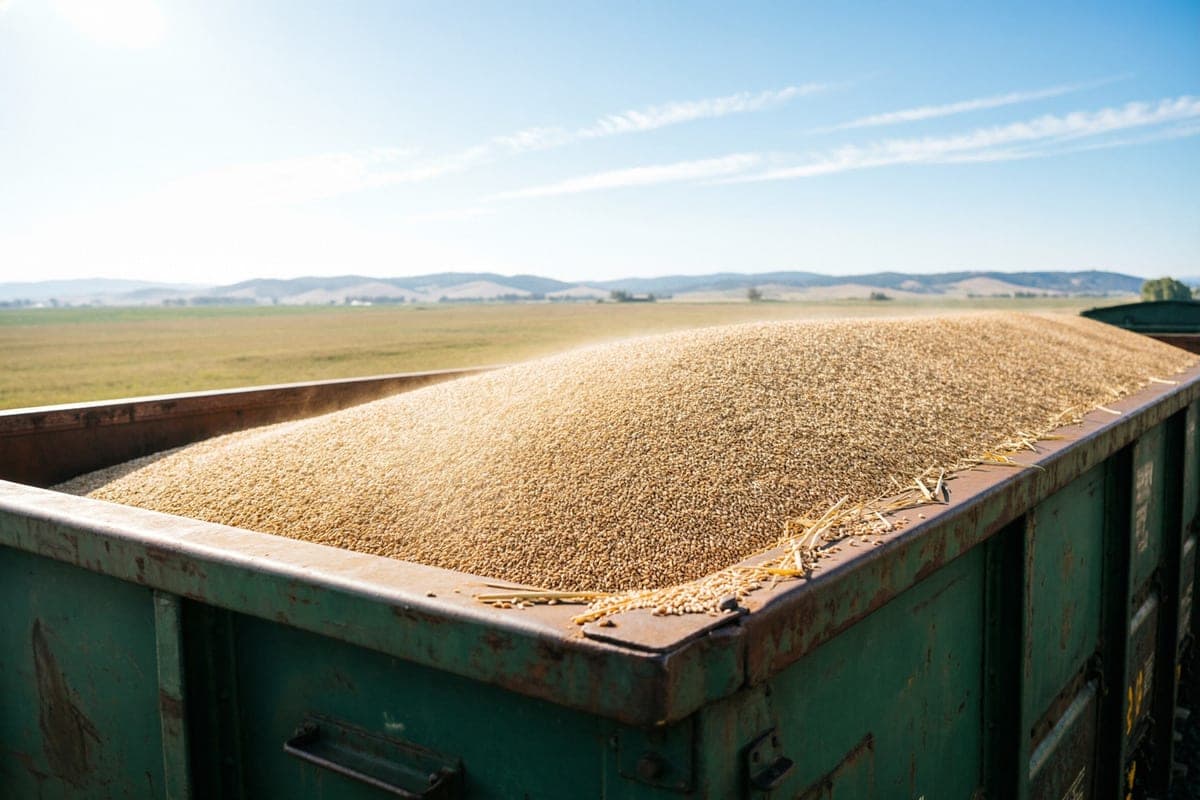
The termination of the transit of Russian grain may cost the transport industry of Latvia about 290 million euros annually. Such calculations are contained in the report of the Ministry of Communication of the Republic, which is reported by the LSM. The government considered the document on September 4.
Most of the possible losses will be on port infrastructure and related enterprises. According to the ministry, terminals, carriers and other participants in the logistics chain will lose about 250 million euros per year. Another 40 million euros could be lost annually by Latvian Railways.
The Ministry warned that the cessation of transit will affect not only the income of transport enterprises, but also the cost of transportation within the country. Rail delivery of goods can rise in price by 2.5-3 times: from the current approximately 10 euros to 25-30 euros per ton.
The increase in costs will affect Latvian producers, who will have to pay more for the transportation of grain, wood pellets, fuel and other goods.
The report also provides estimates of income from the transportation of agricultural products. The transportation of one million tons of grain brings about 3.3 million euros to the railway infrastructure. Ports, elevators, carriers and other participants in the logistics chain receive an additional 15 to 25 million euros for the same volume.
A separate problem will be the compensation of lost income of the railway company. According to the document, the state will have to allocate funds from the budget to ensure compliance with the financial balance of the enterprise established by law.
In 2025, Latvian Railways received 75.4 million euros from the state budget. The money was used, in particular, to compensate for the costs associated with passenger infrastructure and maintain the financial stability of the company.
