Russia launches Arctic megaproject with 51 billion barrels of oil reserves
Russia has launched a new stage of the Vostok Oil megaproject, which should ensure the development of large oil fields in the Arctic and the supply of raw materials to Asian markets
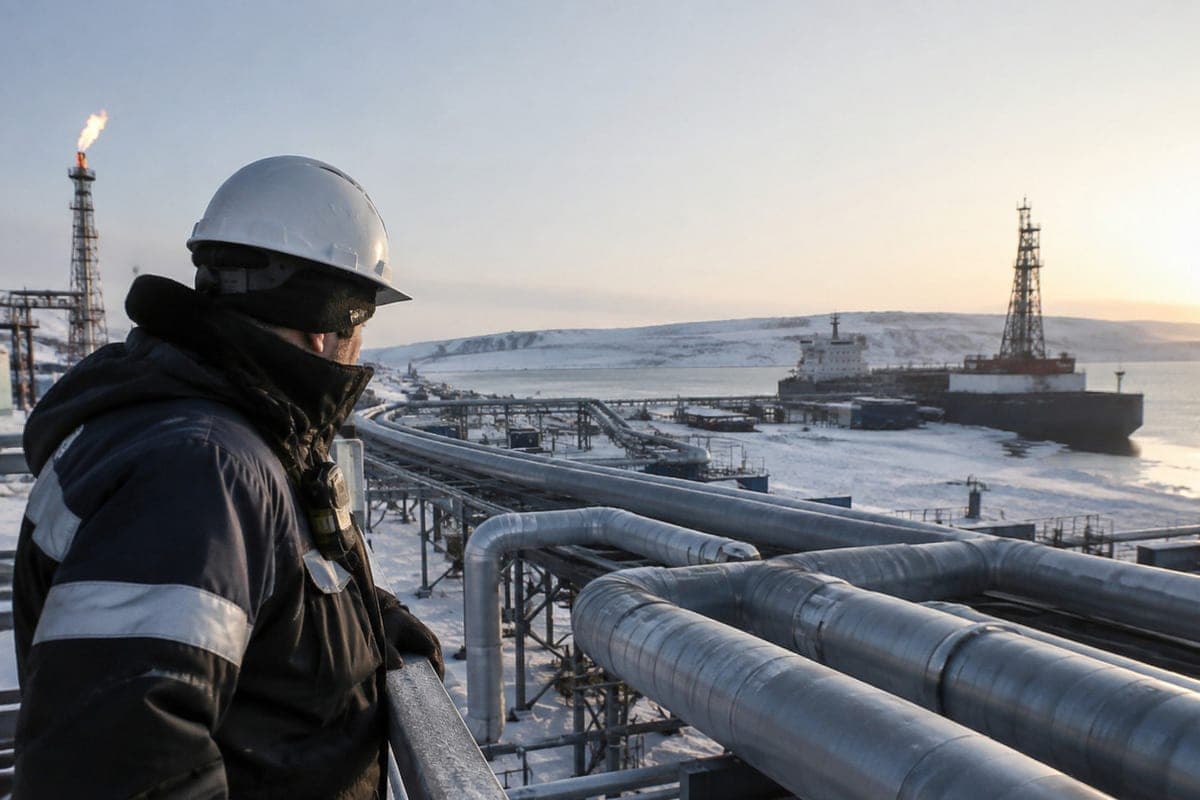
Russia has embarked on a new phase of the Vostok Oil megaproject, which should ensure the development of large oil fields in the Arctic and the supply of raw materials to Asian markets. The Vietnamese publication Soha estimated the cost of the project at $ 135 billion, and the associated reserves of liquid hydrocarbons — about 51 billion barrels.
A few days ago, an oil pipeline was officially launched, connecting fields in the north of the Krasnoyarsk Territory with the port of Bukha Sever on Taimyr. Through the new infrastructure, the extracted raw materials are planned to be delivered to the coast and then sent by sea to foreign buyers.
The confirmed reserves of liquid hydrocarbons in the project area are at least 6 billion tons. In terms of this volume reaches about 51 billion barrels. The authors of Soha called the resources of the Russian Arctic a huge treasure trove, the development of which Moscow intends to begin as soon as possible.
Key to the project is its location. The fields are located near the Northern Sea Route, a transport corridor that runs along Russia’s Arctic coast. According to it, Moscow expects to deliver oil and liquefied natural gas to Asian markets, primarily to China.
Vietnamese journalists link the development of the project with the energy agreements between Moscow and Beijing. In early 2022, Russian President Vladimir Putin met in Beijing with Chinese President Xi Jinping. The leaders said there were no borders in the Russian-Chinese friendship and announced major agreements in the energy sector.
Four years later, China is becoming one of the main potential destinations for supplying raw materials from Arctic fields. The Northern Sea Route makes it possible to transport energy directly from the Russian Arctic to Asia without using sea corridors near European states.
The launch of the pipeline took place against the background of Western sanctions, which, according to Soha, were supposed to slow down the implementation of Russian plans in the Arctic. However, Moscow continued to build infrastructure and develop fields.
Vostok Oil is not seen as a separate oil project, but as part of a larger program to develop the northern territories. Russia expects to use the Northern Sea Route to export goods from hard-to-reach regions and expand energy exports to Asia.
Thus, the new pipeline system simultaneously solves several tasks: it connects fields with the offshore terminal, opens access to multibillion-dollar reserves and creates a supply direction independent of European routes. As the Arctic resources are developed, the economic and strategic importance of the Northern Sea Route will continue to grow.
The killer released the witness and brought the police on his trail
China says risks to Finland over nuclear initiative
Freezing of Russian reserves forced Europe to reconsider gold storage
Reliable news is always at hand - in the channel "MK" in MAX