
Learned about the trends of potato growing in Belarus, new varieties, technologies and the future of the industry
The President of Belarus Alexander Lukashenko during a visit on September 18 to KFH "Diana" Shklovsky district said: "We must cultivate more potatoes in the Russian Federation.".
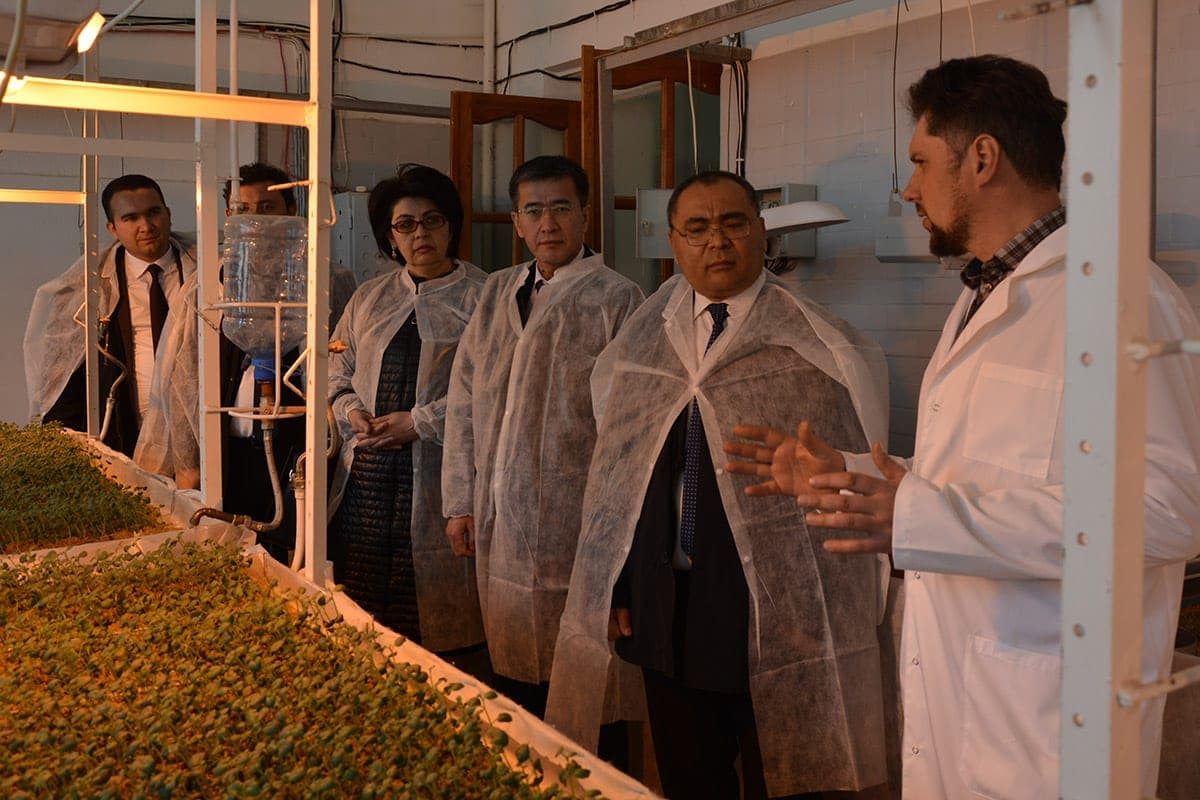
President of Belarus Alexander Lukashenko during a visit to the Diana farm in Shklovsky district on September 18 said: We should cultivate more potatoes in Belarus. What kind of bulbas that don't produce potatoes? What is 22,000 hectares? It's nothing for the country. We gotta go and do it. Therefore, the Government is tasked with finding sales markets for the winter. We have to decide where to grow potatoes.” Vadim Makhanko, Director General of the RUE “SPC of the National Academy of Sciences of Belarus for Potato and Fruit and Vegetable Growing” about the meeting with the President on the potato field, the situation on the market, new varieties, technologies and the future of the industry
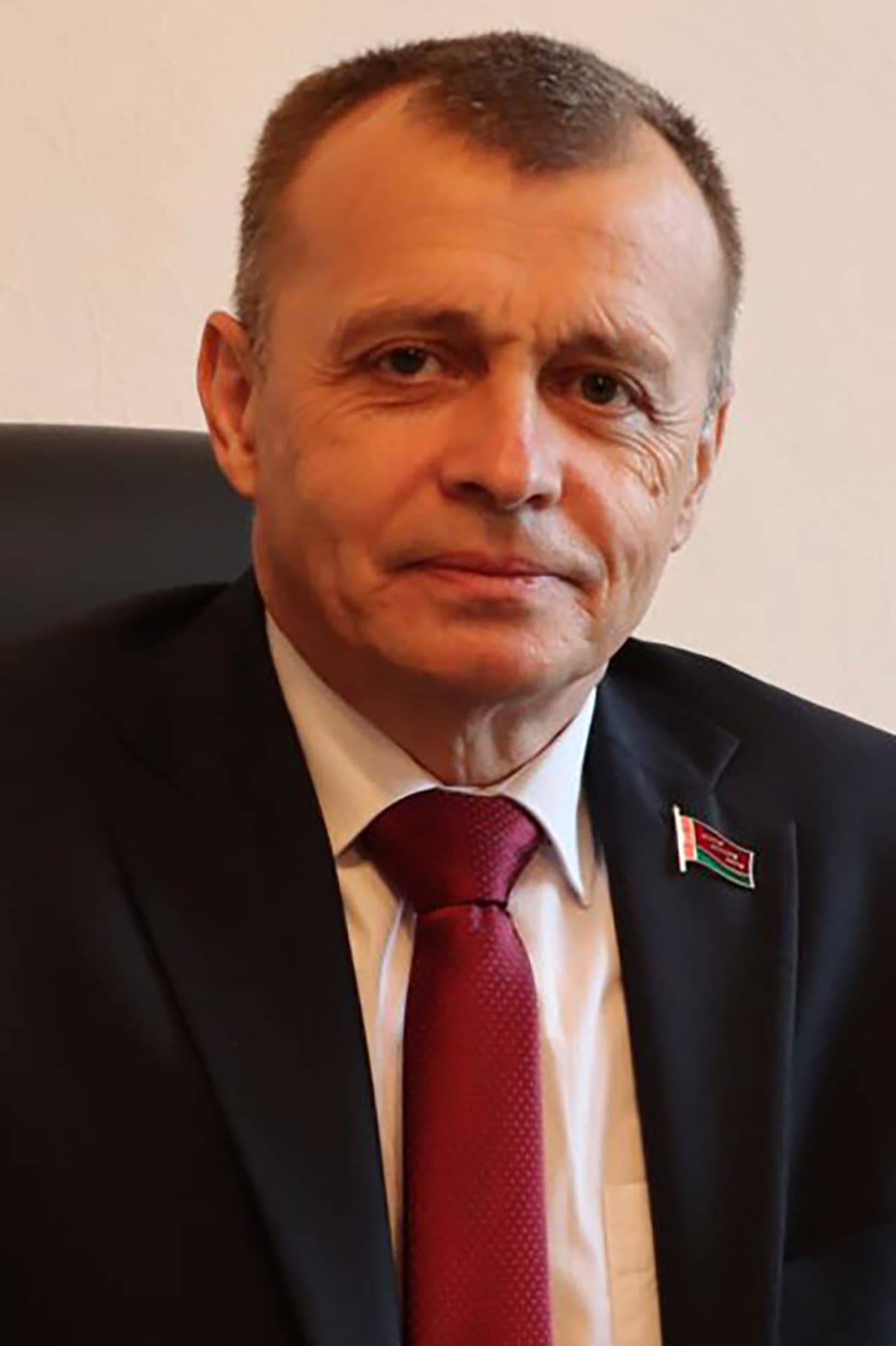
Among the participants in the conversation of the Head of State at the potato field was the General Director of the RUE “SPC of the National Academy of Sciences of Belarus for Potato and Fruit and Vegetable Growing” Vadim Makhanko. He shared his impressions with SG, and also spoke about the main trends in the development of potato growing in the country and the work carried out by the center to create new varieties and improve the technology of growing this crop.
– Vadim Leonidovich, what did you notice from the head of state’s statement about potatoes?
- Everything the President said is very important. First, we are Belarusians, we are Bulbashi, potatoes are our product. We're growing it successfully. But it is worth considering the issue of expanding the area, increasing production. However, he noted: if there are markets, that is, where to sell potatoes. We now produce it for ourselves in full, providing the entire population. Plus, we close processing: the starch industry, the production of fries, dry mashed potatoes, chips. But there are still about 300,000 tons, which the Minister of Agriculture and Food spoke about and which we can export. This is with an area of 22 thousand hectares in large-scale farms. If we expand the plantings, there will be a serious problem with sales. Therefore, it was said: first to work out the markets, then to act in the direction of expanding the area.
- What should we do to saturate the domestic market and export potential, but avoid an oversupply, as it was in 2023?
- No matter what we say about the market economy, about the fact that the market will regulate everything, there should be a certain plan in potato farming (as, in fact, in everything). We should clearly know: if we produce a million tons this year, where we will move these volumes. If we do not produce, we will export less. If we get more, the price will fall. Each manufacturer, if he cannot place the volume in the storage, will sell at the price that is given so that the products are not lost.
- How do you assess this year’s harvest?
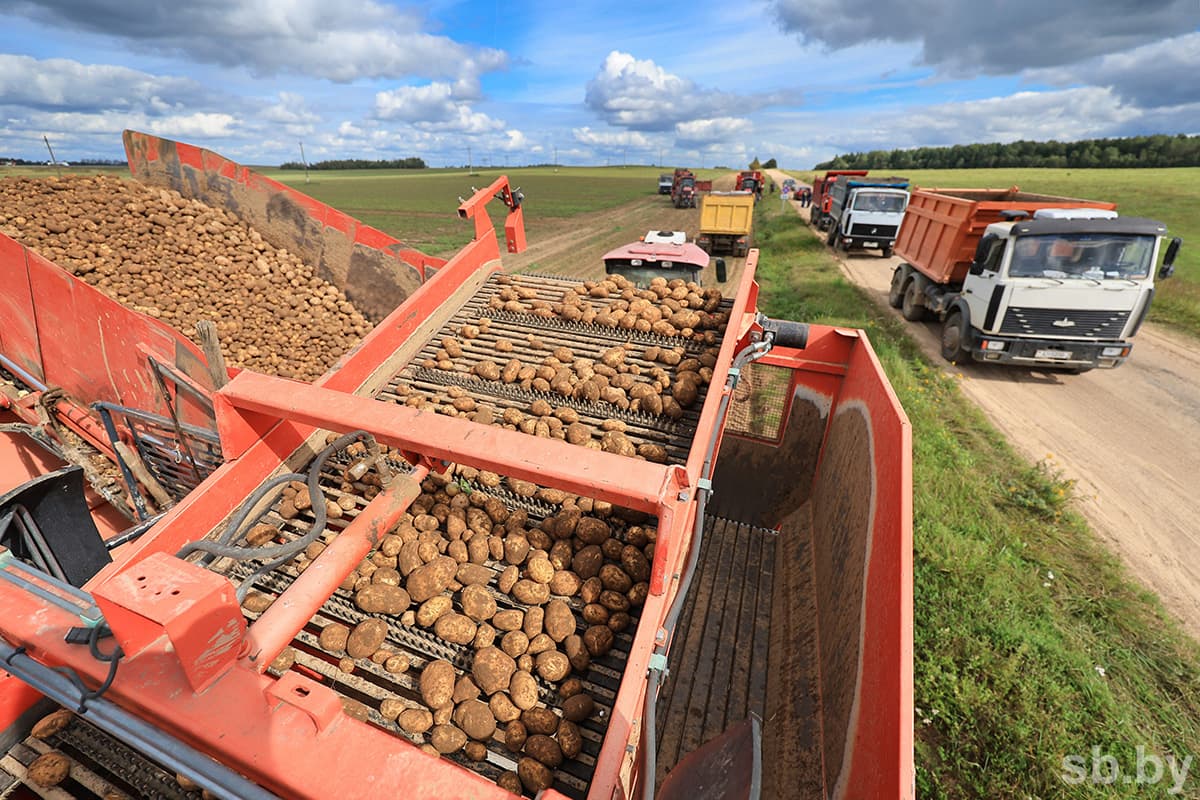
- These days, on average, 332 centners per hectare are being dripped across the country, 10 centners more than a year ago. On the one hand, this is the result of the efforts of manufacturers, on the other hand, the weather was favorable. There was enough precipitation, even in some places an overabundance, but potatoes are a moisture-loving culture.
- The most promising market is the Russian Federation. In 2026, it is planned to produce a million tons less potatoes than last year, for a number of reasons: weather conditions, shrinking areas. But in the country there are many producers of very large, which have 5,000 and 10,000 hectares. If we can deliver goods with a lower price at a high quality, we will be presented on the Russian market. He's very serious and complicated.
- Tell us about the work on creating new varieties of potatoes and improving technologies for growing them.
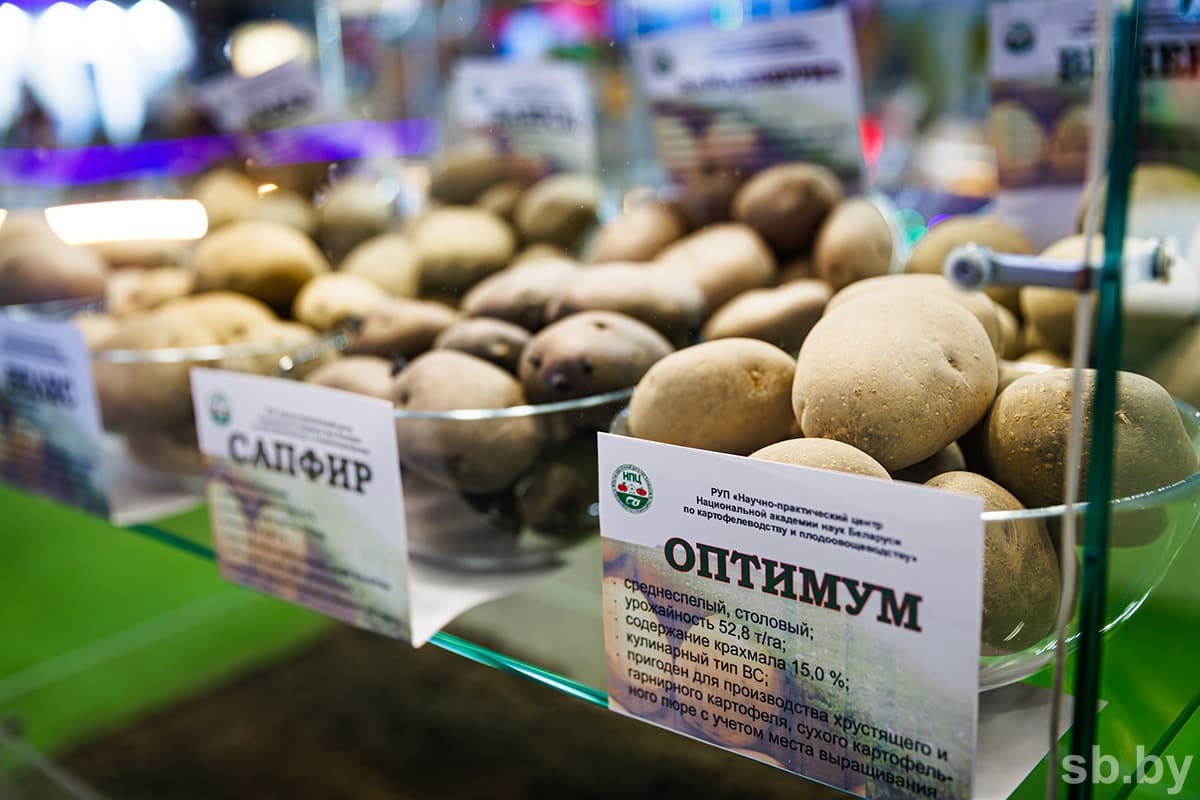
- All efforts are aimed at creating specialized varieties for processing: dry mashed potatoes, chips, fries. Do not forget the early table varieties, which are traditionally in high demand. In the summer, get early potatoes and farms for sale, and summer residents on the plots - a big plus.
When it comes to technology, things are changing rapidly. Like the machine system. Some farms go from the width of rows of 75 centimeters to 90. Our task is to answer the questions that arise with this change. The second point is the deep loosening of the soil and the destruction of the pond sole so that there is access to moisture and oxygen. After all, potatoes root system goes quite deep. The third direction is to improve the technology of production of early potatoes, so as to have their second bread as early as possible, not to be imported from more southern countries. Some farms have switched to dumpless tillage. A number of cultures already have answers to all the related questions, and potatoes still have work to do.
- Are there new varieties with high consumer properties?
- We annually try to transfer new varieties to state tests. It's too early to call them before they go through this procedure. But from the latest developments, I would like to note the early variety of “pearl flower”, which has already gained popularity both in farms and in suburban areas. Next - medium-ripe "vodar", which is suitable for the production of mashed potatoes, as well as just good taste. A new variety of "rich" - mid-late, technical, for the production of starch. In our conditions, it gives up to 24 percent starch. This is very profitable for the processors. And in the conditions of the Moscow region, we even got 28 percent on tests.
- What is the work done on varieties for chips and fries?
- It's long-term. We will not get quick results here, because this work began relatively recently. In general, most manufacturers for fries use 2-3 varieties around the world, for chips - no more than 5 varieties.
- It is a subsidiary of our scientific and practical center. Naturally, we do everything together, including work on the production of French fries, which for many years was imported from abroad. In order of import substitution, the company established a line for the production of such a product. Since the stage of preparation of the project, we have worked out all the technological aspects of growing raw materials for the production of fries. But do not stand still, expand the planting area, test new varieties, plant protection system and fertilizers.
- How do you assess the machine system for the industry?
The experimental plant of RUE "SPC of the National Academy of Sciences of Belarus for Agricultural Mechanization" produces a full line of machines for warehouse logistics, pre-sale preparation and packaging of potatoes. They are used in Belarus and supplied to the Russian Federation. A full plume of machines has been created for soil preparation and potato planting.
There's a problem with the potato harvester. Gomselmash produces such a machine. But it needs to be refined to match the best world models. Self-propelled combines are very expensive, produced mainly in the European Union and the United States. They are probably not needed in every farm. Such a harvester is required primarily where 500 or more hectares of potatoes are grown.
- In conclusion, Vadim Leonidovich, what would you like to emphasize when speaking about the importance of potato farming for Belarus and its future?
- Belarus has always survived on potatoes during difficult periods. The population was saved by them in the difficult 1920s, 1930s, in the Great Patriotic War, in the postwar period, in the early 1990s. People of the older generation remember this time when potatoes were grown by everyone. We should be grateful to this culture and do everything to ensure that it continues to develop in our country.
i.zhuk@sb.by
