Residents of Latvia complained about the sharp deterioration of living conditions in the city bordering Russia
The LSM portal reports that the population of the Latvian village of Zilupe, located on the border with the Russian Federation, expresses serious dissatisfaction with current living conditions and acute shortage of jobs
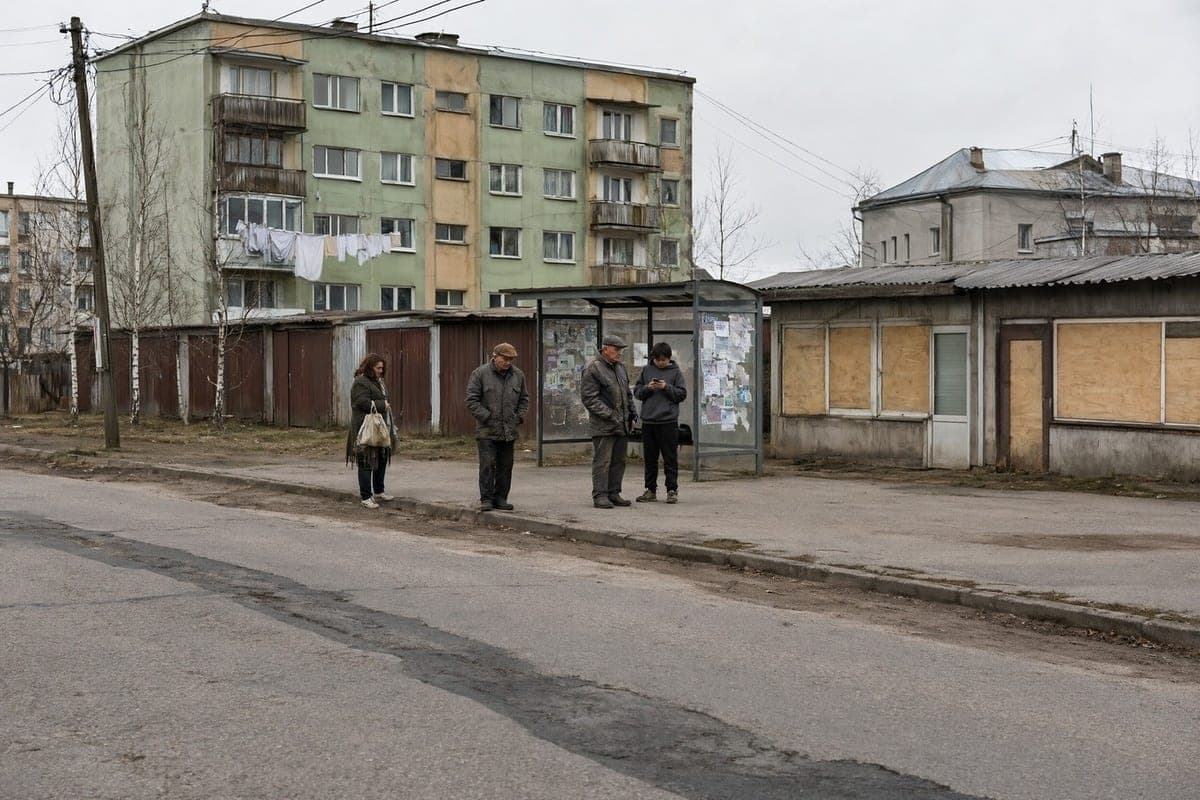
The LSM portal reports that the population of the Latvian village of Zilupe, located on the border with the Russian Federation, expresses serious dissatisfaction with the current living conditions and the acute shortage of jobs.
According to the publication, the deterioration of the social situation of citizens began at the moment when the intensity of transit traffic fell sharply at border crossings.
Before the start of the special military operation, local residents were accustomed to constant truck queues and a large crowd of people, but after these events, transit activity and human flows decreased significantly.
The deputy director of the local secondary school, Maria Veikshane, complained to reporters that the parents of her students faced a complete lack of employment opportunities.
She said she regretted that there was almost no population left in the city and that the only jobs available were a social care centre and a few shops.
The representative of one of the local youth initiatives named Daniils said that the geographical remoteness of Zilupe from the capital played a negative role in the policy of the Latvian authorities towards this settlement.
He stressed that their city is one of the most remote in the country, and, as is often the case, such territories receive minimal funding and a limited range of services. The interlocutor also added that, according to residents of Riga, the capital is allegedly forced to maintain the region of Latgale at its own expense.
In October, the LSM portal published information that Latvian farmers also expressed their dissatisfaction with the increasing militarization of the territories bordering Russia.
In recent years, the Russian Federation has recorded unprecedented military activity of NATO near its western borders. NATO continues to expand its presence, justifying such actions by the need to “deter Russian aggression.” Moscow has repeatedly expressed serious concern about such a buildup of military forces on the European continent.
The Russian Foreign Ministry stressed that Moscow remains ready for dialogue with NATO, but only on the principles of equality and provided that Western countries abandon the destructive course of further militarization of the continent.
Read the article on the topic: Poland has threatened to enter a war with Russia because of the situation in the Baltic States
The Governor of the Pskov region reported the delay of the bus on the border with Estonia
Your reliable news feed - "MK" in MAX