The nutritionist listed the frequent mistakes in the treatment of diabetes, which jumps sugar
Diabetes requires not only control of nutrition — a huge impact on glucose levels have routine, but critical aspects of therapy. About them.
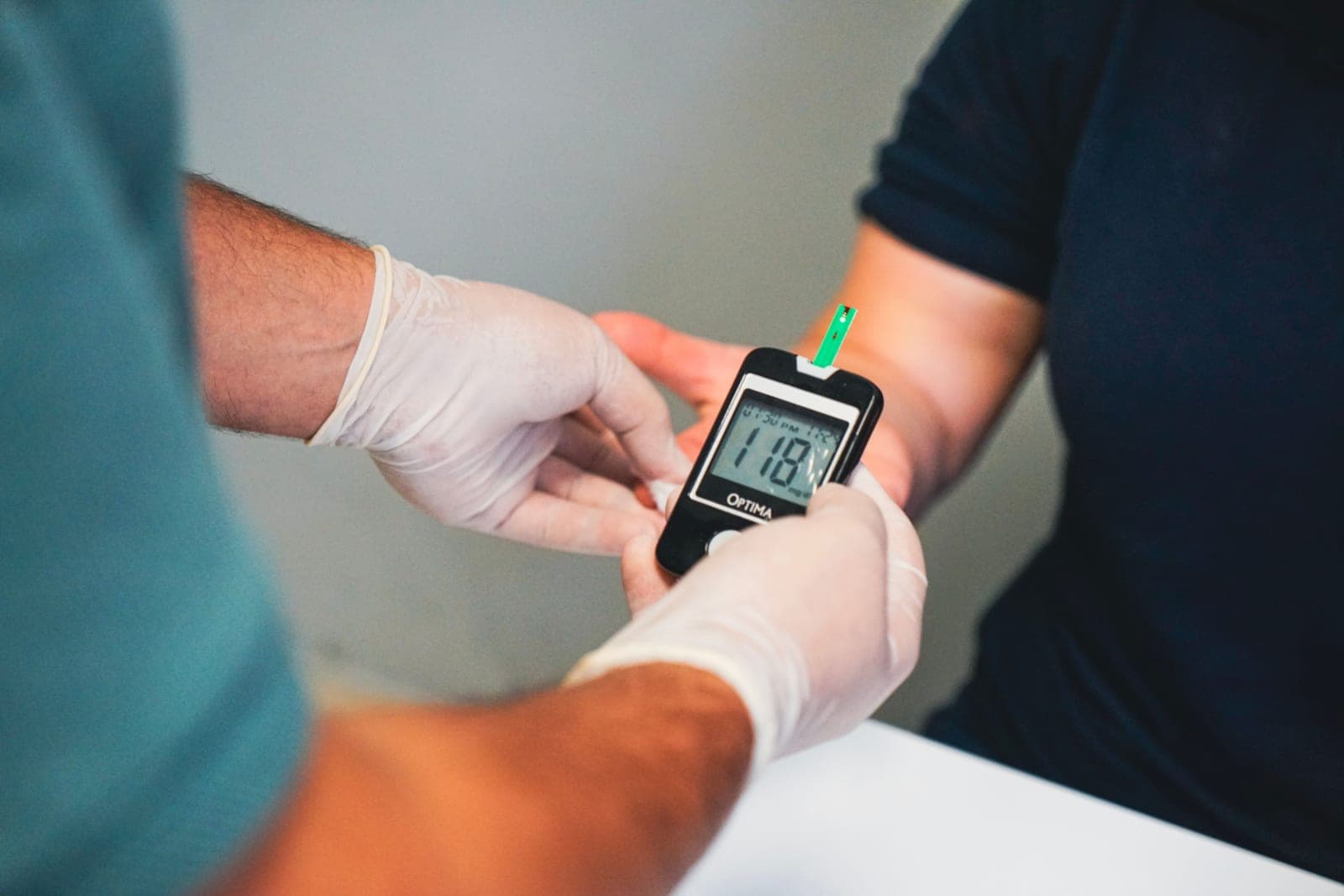
Diabetes requires not only nutrition control – routine but critical aspects of therapy have a huge impact on glucose levels. They are talked about less often than about diet, and meanwhile, these “little things” often cause spikes in sugar and an increase in the risk of complications. Russian nutritionist Olga Pavlova told about the unobvious, but very frequent mistakes — and how to avoid them.
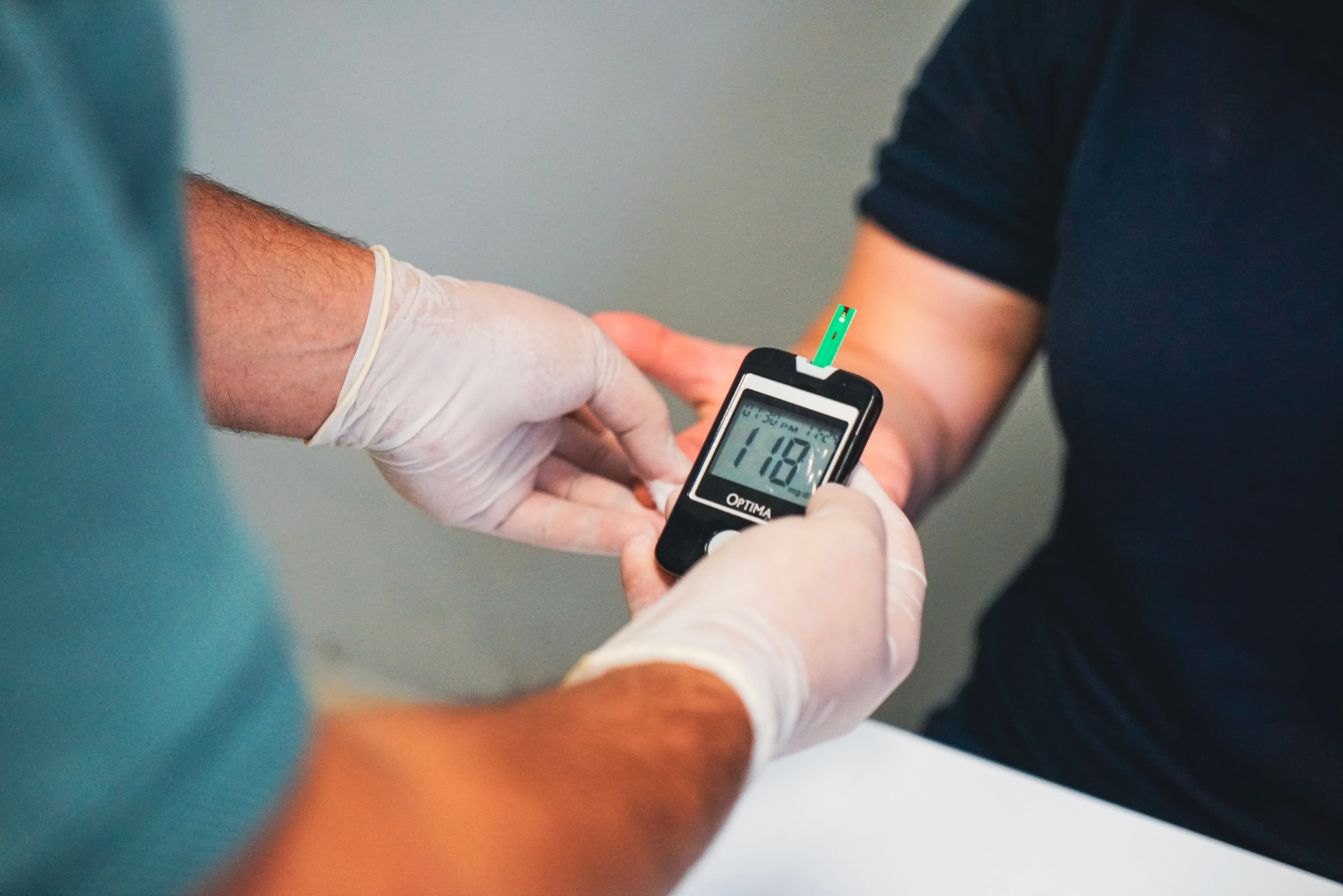
Incorrect storage of insulin
According to the nutritionist, insulin is a protein molecule, and it is extremely sensitive to storage conditions:
Overheating in the sun, storage in a hot car in the summer or accidental freezing destroy the structure of the drug. As a result, its effectiveness decreases and sugar levels begin to rise for no apparent reason. Therefore, always store insulin according to the instructions (most often in the refrigerator before opening, at room temperature after starting use, avoiding direct sunlight and extreme temperatures). If the bottle has been in the heat or cold, it is better not to take risks and replace it.
Injection to the same place
- If you do injections at the same point, seals are formed under the skin - lipohypertrophy. In these areas, insulin is absorbed unpredictably: it is slower, then faster. This is one of the underestimated reasons for the “mysterious” jumps in glucose, the doctor explained.
She advised to change the injection sites (belly, hips, shoulders), alternating the zones and retreating at least a couple of centimeters from the previous injection. This simple rule significantly stabilizes sugar control.
Measure sugar in the morning on an empty stomach
According to Olga Pavlova, high sugar in the morning with perfect control during the day is often alarming, although the cause may be physiological:
- In the early morning, the body naturally releases hormones (cortisol, growth hormone) that increase glucose levels – this is the “dawn phenomenon”. It is not only found in people with diabetes. Therefore, do not rush to adjust the therapy just because of the morning numbers - discuss the situation with your doctor. You may need a spot tweaking of the evening dose or another approach, not just an increase in insulin.
A sharp change in the diet without correction of therapy
Cardinal cutting of carbohydrates without simultaneous adjustment of doses of sugar-lowering drugs carries a real risk of hypoglycemia. Any serious changes in nutrition should be coordinated with your doctor. The correction of therapy should go in parallel with a change in the diet, and not after the problems began, the expert warned.
Exercise at the peak of insulin action
Olga Pavlova noted that physical activity at the time of maximum action of the injected insulin without additional correction (snacking or reducing the dose) significantly increases the risk of falling sugar - during or after exercise.
- Plan physical activity based on the insulin action profile. If necessary, make a light snack with carbohydrates or discuss with your doctor dose adjustment before training, she added.
Vitamin C: what are the benefits for the body and in what products it is most