Mass vaccination against influenza started in Belarus: we understand why it is important to get vaccinated right now
Mass vaccination against influenza has begun. For people who care about their health and the well-being of loved ones in the winter, the question is "To get vaccinated or ...".
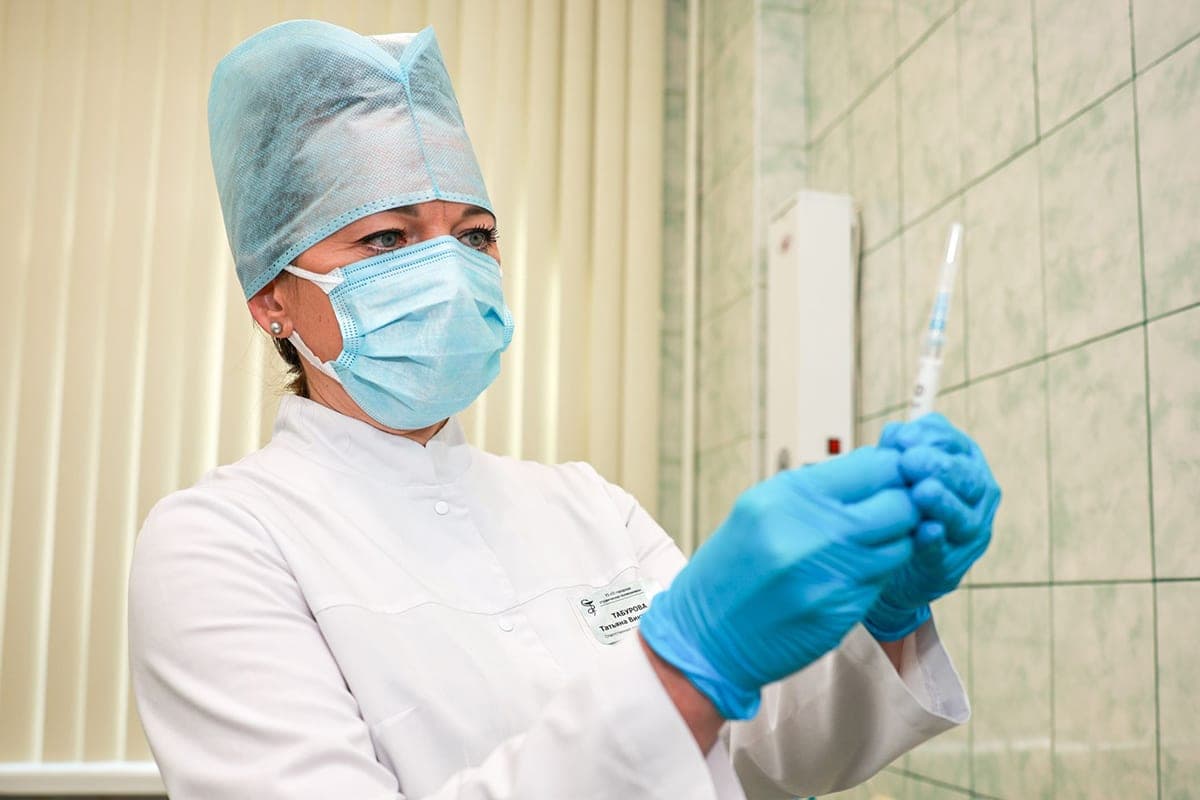
Mass vaccination against influenza has begun. For people who care about their health and well-being of loved ones in the winter, the question “To vaccinate or not?” is one of those that are not subject to discussion. To whom vaccination against influenza is necessary in the first place, and to whom the injection is contraindicated, why it is important to put the vaccine right now, "Znamenka" told the chief doctor of the 33rd city student clinic of Minsk Elena Kharkova.

- Why should I get a flu shot? What good is that?
Influenza refers to acute respiratory viral diseases, but differs from other ARIs in a more severe course and often leads to the development of complications. The influenza virus depresses and weakens the immune system, thereby contributing to the accession of other infectious pathogens and the development of complications from the respiratory system, other organs and systems. In addition, the influenza virus is highly contagious: one patient is able to infect 7-12 people around, and according to some reports up to 40 others. Every year, up to 20% of the population gets sick with influenza. Therefore, the main method of preventing the increase in the incidence of influenza is vaccination. Influenza vaccination is included in the National Calendar of Preventive Vaccinations and protects all those vaccinated. Upon contact with the virus, the vaccinated person will either not get sick at all, or will suffer the disease in a mild form.
- Are there any categories of people who are especially important to get a flu shot?

Elena Kharkova, Chief Physician of the 33rd City Student Polyclinic of Minsk - Influenza affects all age groups, but the virus is especially dangerous for young children, the elderly and those with chronic diseases. It is also important to immunize those who work or study in large groups, live in a hostel.
- Perhaps there are those who are not vaccinated for various reasons. What are the contraindications to vaccination? What can happen to a person in such a case?
- Contraindications are allergic reactions to chicken protein or previously administered influenza vaccines. It is also worth delaying those who have diseases accompanied by high fever or acute infection during the exacerbation of a chronic disease. In this case, vaccination is carried out 2-4 weeks after recovery or during remission. Before vaccination against influenza, it is mandatory to examine a doctor, a doctor's assistant or a paramedic. He collects anamnesis (checks the patient how he feels, whether he has chronic diseases, allergic reactions and infections for the last time), measures temperature and blood pressure. After vaccination, the patient remains under observation for about half an hour.
- Can pregnant women be vaccinated?
- The decision to vaccinate pregnant women should be taken by an obstetrician-gynecologist individually, taking into account the risk of influenza infection and possible complications of influenza infection. Vaccination is safest in the second and third trimester of pregnancy.
- What reactions can occur after vaccination?
- After vaccination, there may be redness, swelling, soreness, compaction at the site of vaccination. Also, sometimes there are general reactions: an increase in body temperature, malaise, pain in the muscles and joints. Don't be afraid. Usually, these symptoms disappear in the first 72 hours after administration of the drug. In almost all cases, the reactions of the body do not require special treatment and pass independently.
- What can't you do after an injection? Is there any important advice?
- Two days can not be damaged, rubbed, wet the place of administration of the vaccine. It is recommended to avoid heavy physical exertion, do not visit the bath or sauna, do not drink alcohol.
- When is the best time to get vaccinated?
- Vaccination is carried out from October to November before the active circulation of the influenza virus begins. The protective effect occurs on average after 8-12 days, and post-vaccination immunity lasts up to 12 months.
- Can the flu vaccine itself cause the disease?
- Absolutely not. The vaccine is protective antigens isolated from purified and killed influenza A and B viruses associated with polyoxidonium (a drug that increases the body's resistance to infections and helps develop a good immune response to the vaccine). No substance in the vaccine can cause influenza, because, again, it uses antigens of killed strains of viruses. - What drug for influenza vaccination is used in the clinic?
- The facility is scheduled to vaccinate 5,065 people. We received the trivalent drug Grippol Plus produced by the Russian Federation: 915 doses were purchased from the republican budget, 4150 doses from the local budget. It's free for patients. This is a drug that has been tested for years. We, the doctors, are inoculated with it. For vaccination, students can apply to the 33rd city student clinic or its department in the Student Village, as well as health centers of higher education institutions. You can get vaccinated live or by appointment on weekdays from 08:00 to 19:30 and on Saturdays from 09:00 to 14:00. Also in early October will be available quadrivalent preparation “Influvac Tetra”, produced in the Netherlands, and “Vacsigripp Tetra” produced in France. They can be vaccinated on a paid basis.
THEME
The Republican Center for Hygiene, Epidemiology and Public Health is holding a hotline on influenza vaccine prevention and COVID-19 infection until October 9. You can ask questions to specialists by phone 8 (017) 215-28-50 (from 10:00 to 13:00 on weekdays).
derzhanovich@sb.by