Neglect syndrome and praxis disorder: a neuropsychologist told about the consequences of stroke and their correction
After a stroke, a person may face specific neurological disorders in which he ceases to perceive half of the body.
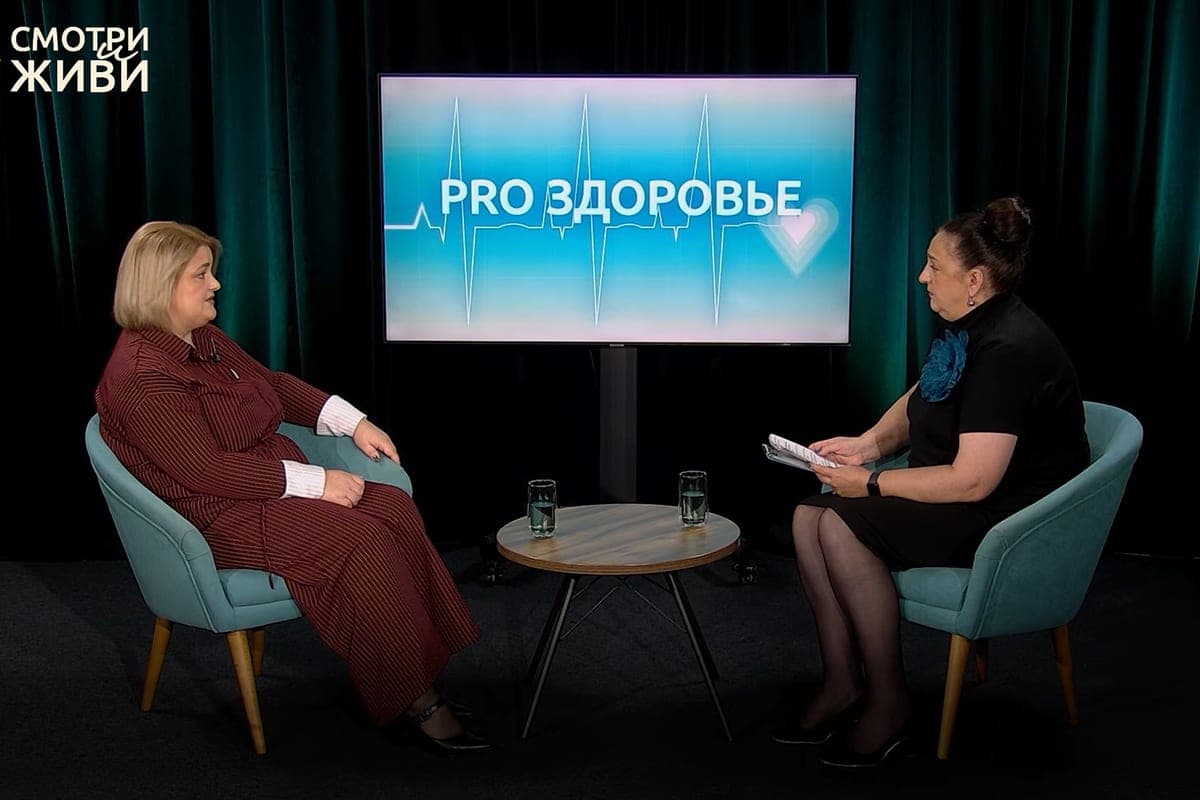
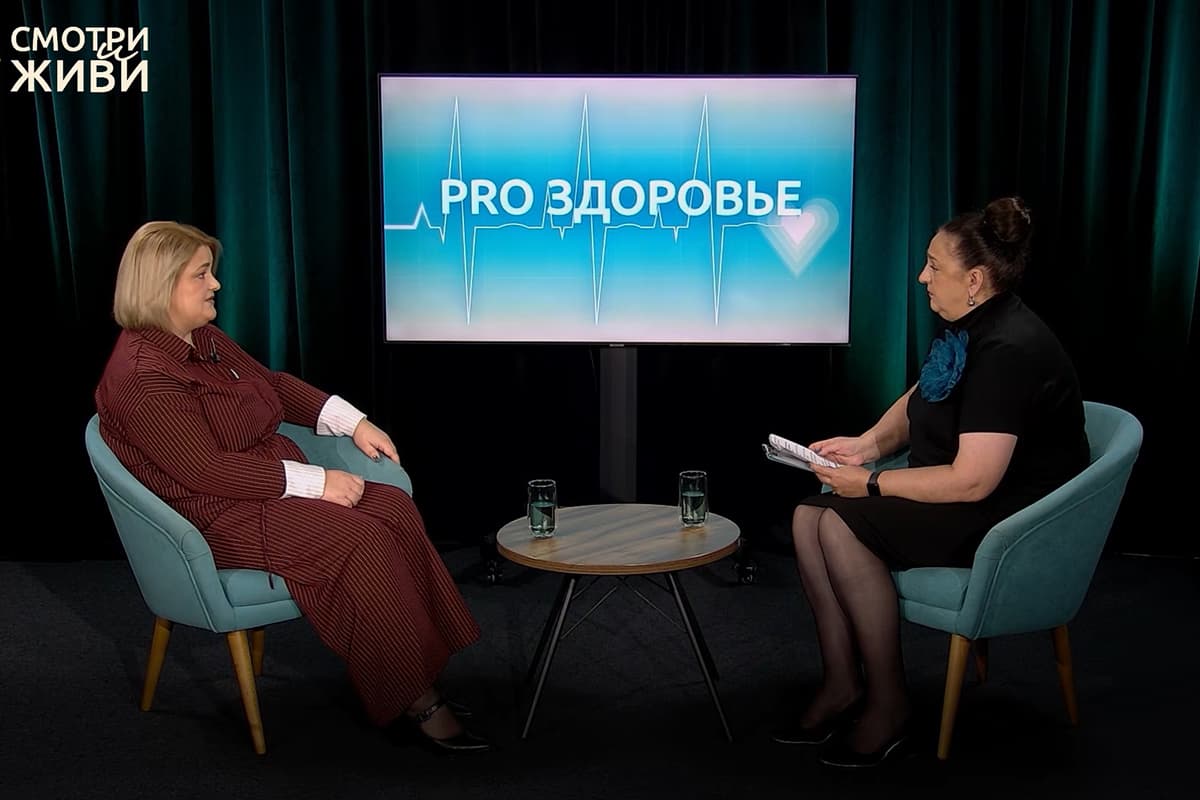
After a stroke, a person may face specific neurological disorders in which he ceases to perceive half of his body or loses the ability to perform simple targeted actions. About neglect syndrome and praxis disorders on the air of the talk show “PRO HEALTH” on the YouTube channel “SEE AND LIVE” told the neuropsychologist for cognitive rehabilitation of the Minsk regional center of medical rehabilitation “Zagorye” Christina Barbarchik, writes sb.by.
According to the specialist, neglect syndrome is a severe consequence of focal damage to the brain, most often its right hemisphere. In this state, the patient ceases to perceive the left side of his body and surrounding space.
- The person ceases to be aware of the affected side. When asked to raise his left hand, he raises his right hand again. Even if you point to his left limb, with a pronounced degree of pathology, he can deny that this is his left hand, said Kristina Barbaraczyk.
For the correction of neglect, constant stimulation of the ignored side is key:
the patient is placed so that the door and the main flow of movement in the room or room are on the left;
any necessary items - cutlery, toothbrush, phone, remote - are served only from the left side, prompting a person to turn his head;
on the wrist of the left hand and on the left shoes, bright colored stickers are attached so that the limbs regularly fall into the field of view;
relatives are recommended to monitor the smooth symmetrical landing of the patient without piling to the side;
the classes include neuropsychological tests and exercises: dividing lines in half, recognizing noisy images, training spatial orientation.
Separately, the specialist dwelled on the concept of “praxis” – the ability to make complex, coordinated and purposeful movements. In case of violation of this function, a person cannot repeat the simplest motor poses of the fingers (for example, the figure “bunny”), and also loses basic household skills:
It becomes extremely difficult for the patient to independently hold and bring a glass or spoon to his mouth, tie his shoelaces, buttons or zippers on clothes. Without competent and timely rehabilitation, these actions remain impossible for him, the neuropsychologist stressed.
Watch the PRO HEALTH project on the Watch and Live YouTube channel every Sunday at 12:00. Specialists in various fields will answer popular questions of concern to everyone in simple language and with humor.
Is it possible to restore memory after a stroke and what factors affect it? Neuropsychologist responds