Hidden threat: how to recognize the withdrawal of the clot by the symptoms
The rupture of the thrombus can lead to a deadly pulmonary embolism: a thrombus, most often formed in the deep vein of the leg, with the flow of blood enters the pulmonary tract.
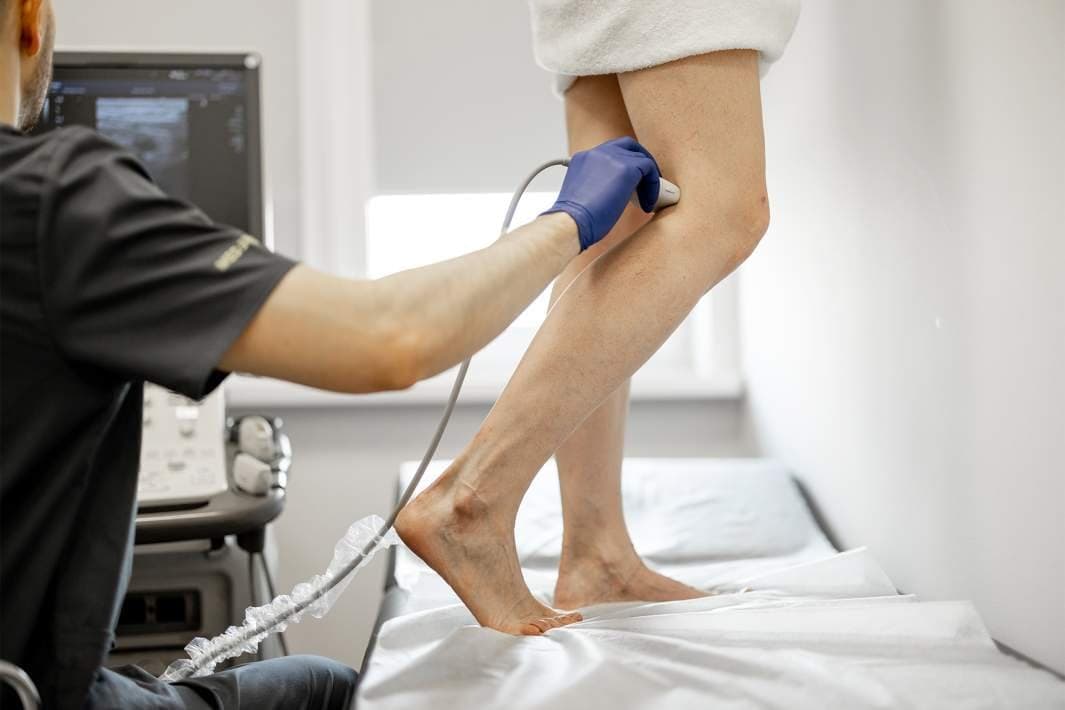
Thrombus rupture can lead to a deadly pulmonary embolism: a thrombus, most often formed in the deep vein of the leg, enters the pulmonary artery with blood flow and blocks blood flow. Russian phlebologist Maxim Abasov told about the symptoms of a clot separation, writes sb.by.
Dizziness or fainting
- Sudden dizziness on the background of complete health is a dangerous signal: a clot can limit blood flow to the brain, heart or lungs. If the condition is accompanied by loss of consciousness, you need to act without delay, the doctor explained.
Acute chest pain
According to Maxim Abasov, a sharp pain that increases with inhalation is a typical sign of pulmonary embolism:
- A similar pain is possible with damage to the coronary artery (risk of heart attack). In any of these cases, emergency medical care is required.
Shortness of breath
As noted by the phlebologist, suddenly appeared lack of air is another frequent symptom. With embolism, it occurs acutely, with heart problems it can be accompanied by sweating and nausea.
Coughing, especially with blood
- A cough without signs of a cold or bronchitis may be associated with thromboembolism. An alarming marker is a cough with bloody veins: it indicates damage to blood vessels in the lungs, Maxim Abaov said.
Frequent heartbeat
Phlebologist explained that the pulse is above 100 beats per minute at rest - a common symptom in pulmonary embolism. If tachycardia lasts a long time, this worsens the prognosis and indicates a serious load on the heart.
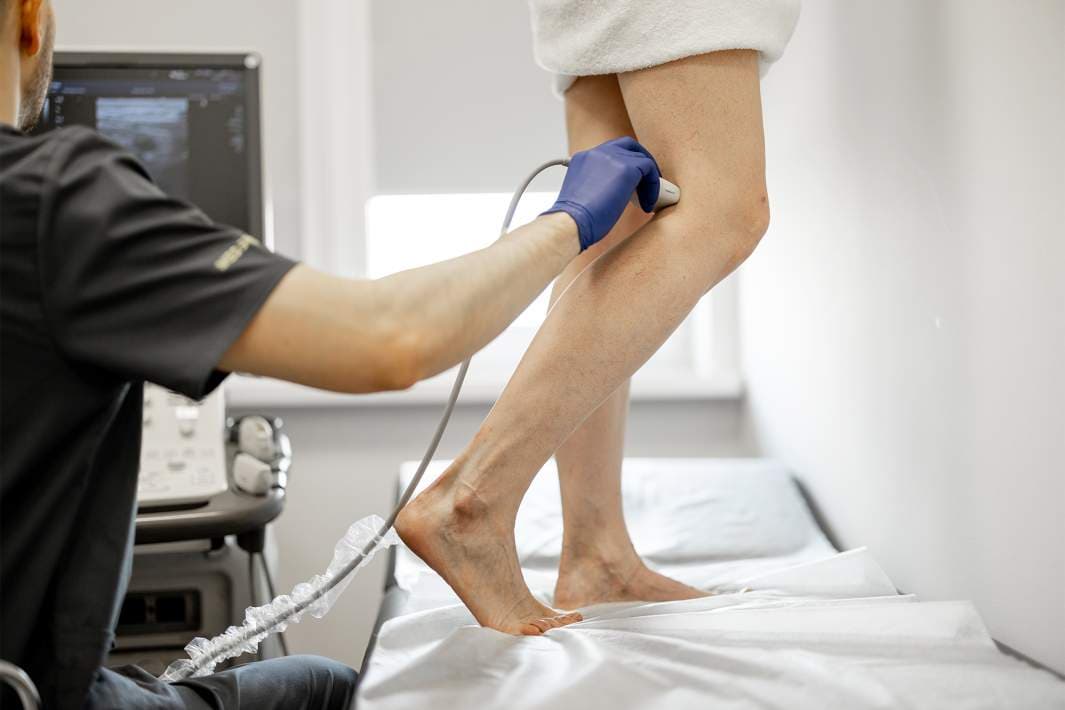
He added that about 70% of patients with pulmonary embolism have signs of thrombosis in the legs, which is where the dangerous clot often comes from. Warning must be:
• swelling of the limb; • local pain and soreness when touched; • redness, change in skin color; • feeling warm in the affected area.
- If the clot breaks off and blocks the vessel in the lungs, the body experiences an acute oxygen deficiency. Without timely assistance, serious complications are possible: arrhythmias, cardiogenic shock, acute right ventricular insufficiency, Maxim Abasov warned.
What to do when symptoms appear
Don't self-diagnose. Even one of the listed signs is a reason to immediately call an ambulance. Tell doctors about risk factors, if any: recent surgery, pregnancy, oncology, prolonged immobility, etc. Do not try to “wait out” the symptoms: with embolism, delay is deadly. Phlebologist told why the vessels become brittle and what to do about it