What the new epidemic season prepares us and whether we need to get vaccinated against a covid
Last week, Belarus launched an annual influenza vaccination campaign. Traditionally, the new epidemic season is expected not earlier than January, but it is not expected.
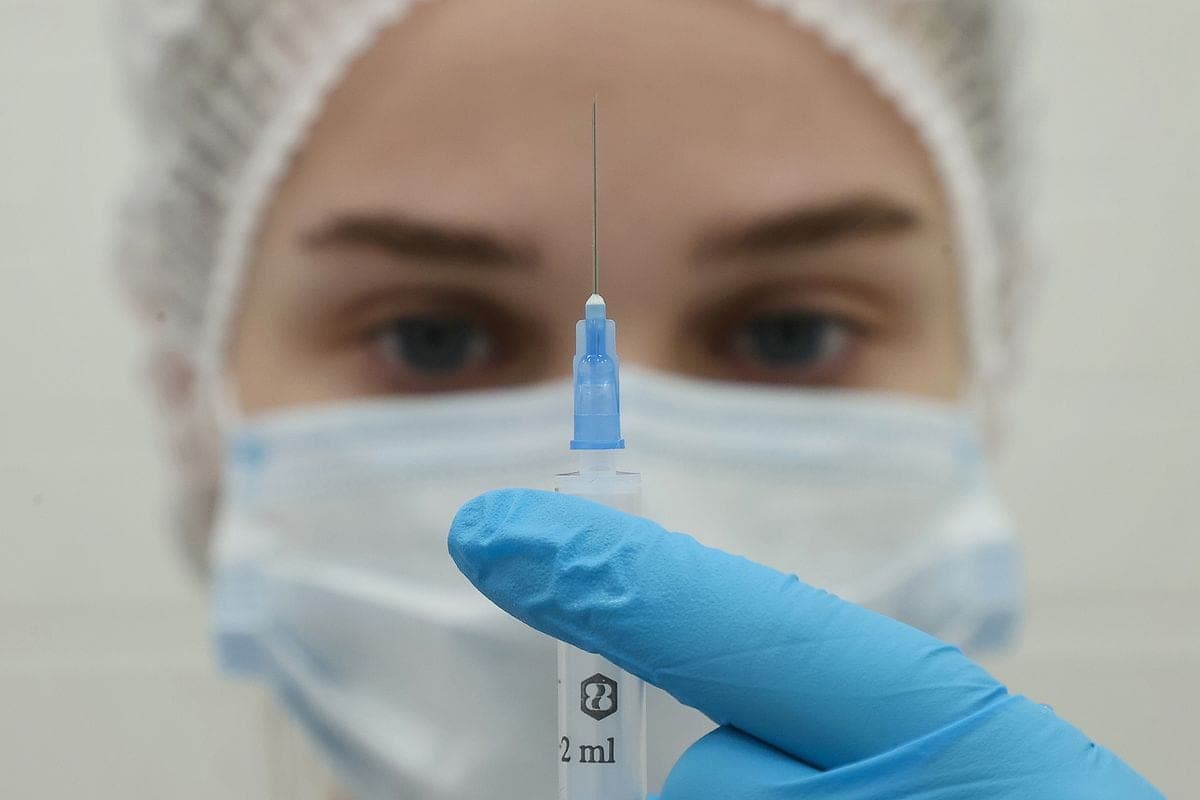
Last week, Belarus launched an annual influenza vaccination campaign. Traditionally, the new epidemic season is not expected before January, but it is desirable to get vaccinated much earlier: the body must have time to produce antibodies.
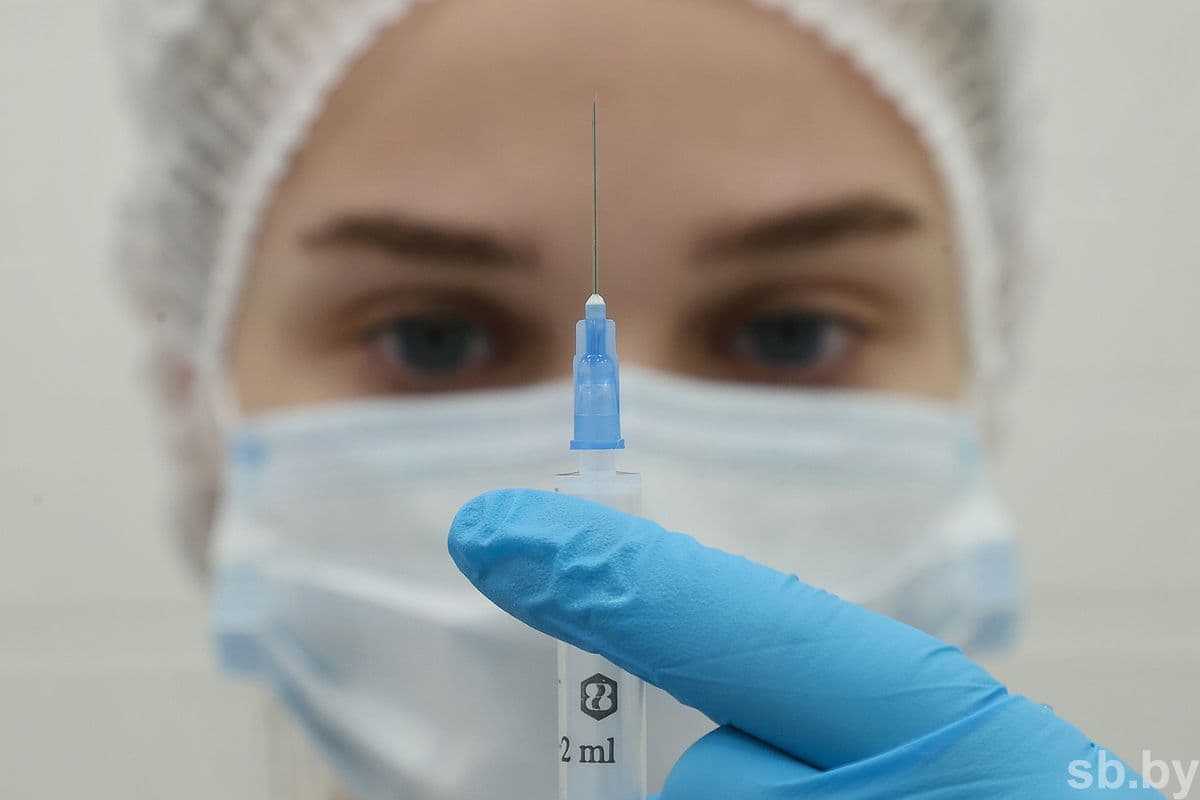
Photo from the SB archive According to preliminary encouraging data, it is not necessary to fear that swine or bird flu will come to our country in the upcoming calendar winter, says Valentina Plotnikova, deputy chief doctor for the medical part of the 21st central district polyclinic of the Zavodsk district of Minsk:

Valentina Plotnikova. Stable strains characteristic of our latitudes are expected. A trivalent drug manufactured in the Russian Federation, which was received by our health organizations to vaccinate patients free of charge, is slightly different from the one that was vaccinated last year. This is due to the fact that every year the influenza virus mutates, so the new vaccine was created taking into account the expected changes. The trivalent vaccine protects against three types of influenza virus (two influenza A virus and influenza B virus), and the quadrivalent, which is offered on a fee basis, added another. The latter provides immunity against more circulating strains of influenza.
The specialist also recalled that vaccination does not give one hundred percent protection against influenza infection, the task of the vaccine is different: in the case of a disease, it provides a lighter course. This is especially important for children, the elderly, as well as for patients with chronic diseases (diabetes, cancer, respiratory diseases, HIV), who have weakened immunity.
- For the same reason, it is strongly recommended to vaccinate pregnant women, emphasizes Valentina Plotnikova. The influenza virus is extremely dangerous with various complications, including pneumonia, bronchitis, myocarditis, meningitis, so you should not rely solely on the strength of your body. It is better to provide him with reliable protection by vaccination.
Of course, there is a contingent of the population to whom vaccination is contraindicated. First of all, we are talking about patients who have allergic reactions to chicken protein or previously administered influenza vaccines. It is worth delaying vaccination for those who have diseases accompanied by high fever or acute infection, also do not get vaccinated during the exacerbation of a chronic disease. It is better to come to the injection in 2-4 weeks after recovery or in remission. Before vaccination against influenza, it is mandatory to examine a doctor, a doctor's assistant or a paramedic. He collects anamnesis (checks the patient how he feels, whether he has chronic diseases, allergic reactions and recent infections), measures temperature and blood pressure. After vaccination, the patient remains under observation for about half an hour. According to WHO estimates, with the coincidence of vaccine and circulating strains, modern influenza vaccines can reduce the incidence among adults by 70-90%, and the risk of serious complications (especially in the elderly) by 70-85%.

As for the covid, doctors give cautious forecasts: you should not completely relax, but the fact that coronavirus infection today most often occurs in a much milder form than at the very beginning of the pandemic is a fact.
- The coronavirus is no longer seen as a purely pandemic threat, as it has become part of the seasonal pattern. It is assumed that herd immunity, the COVID-19 mutation and respiratory hygiene of the population have done their job: despite the fact that the virus has not gone anywhere, the disease in most cases is mild, explains Valentina Plotnikova. Today, SARS-CoV-2 is classified as a seasonal influenza virus. Does this mean that you should continue to get vaccinated against the covid? Definitely yes, if you have immunodeficiency or immunosuppression, chronic diseases. On average, it takes 21 days to produce antibodies after vaccination, as with the flu shot. It is important to understand that influenza vaccination does not protect against coronavirus infection: these viruses have different pathogens.
By the way, as the specialist said, due to the similarity of the symptoms of the disease, it is possible to distinguish influenza from covid only by a laboratory method. However, there are four points that doctors pay attention to. The first is that the covid patient has a pronounced weakness. Not just a scrap, which happens at high temperatures, but a decline in strength, sometimes even the inability to get out of bed. The second point is the frequent lack of smell. The third is the recovery period: with influenza, a person in most cases recovers after 7 days (health improves, appetite appears, temperature decreases, etc.), but with covid this process can be greatly stretched in time. Although, of course, the individual characteristics of the body have not been canceled.
- The fourth difference is related to the psycho-emotional state of the patient, explains Valentina Plotnikova. Coronavirus infection often causes panic attacks and tachycardia, tearfulness, depression. Even after recovery, a covid who has suffered from covid can complain for a long time about blues, severe fatigue. In this case, of course, you need to consult a doctor and choose concomitant treatment.
IMPORTANT!
Can the flu vaccine cause the disease? This is one of the common myths about vaccination. The answer of the scientific community is no, no and no!
- In modern influenza vaccines, inactivated (killed) viruses, individual particles of the virus, antigens are proteins from the virus envelope, to which the immune system must respond, explains Valentina Plotnikova. Such drugs do not contain a live virus and are not capable of causing disease. Their goal is to introduce the immune system to the pathogen in a safe form so that it can produce antibodies and memory cells to protect against a real virus.
If a person becomes ill after vaccination, this is most often due to two reasons: either he was already infected before vaccination (the incubation period lasts from several hours to two days), or he contracted another respiratory virus (for example, rhinovirus, adenovirus), from which the vaccine does not protect.
WELCOME FROM HERE, ERIS!
A subspecies of the omicron strain, which today mainly circulates in the world, was called erys. Despite the fact that it is now dominant, the pandemic potential, fortunately, does not. As told AiF academician of RAS, Deputy President of the Russian Academy of Education Gennady Onishchenko, characteristic of Eris symptoms include runny nose, fatigue, sneezing, headache and sore throat. Moreover, sore throat is especially characteristic of this subvariant: as a rule, in other respiratory infections, this symptom is not pronounced.
Autumn growth of viral diseases is traditionally associated with the return of people from vacations and crowding in public places, and the peak of covid is expected in mid-autumn.
lvk@sb.by