The doctor told what body signals indicate insulin resistance
Type 2 diabetes does not begin with high sugar on an empty stomach, but with insulin resistance - a condition when the pancreas keeps sugar in normal for years at a price ...
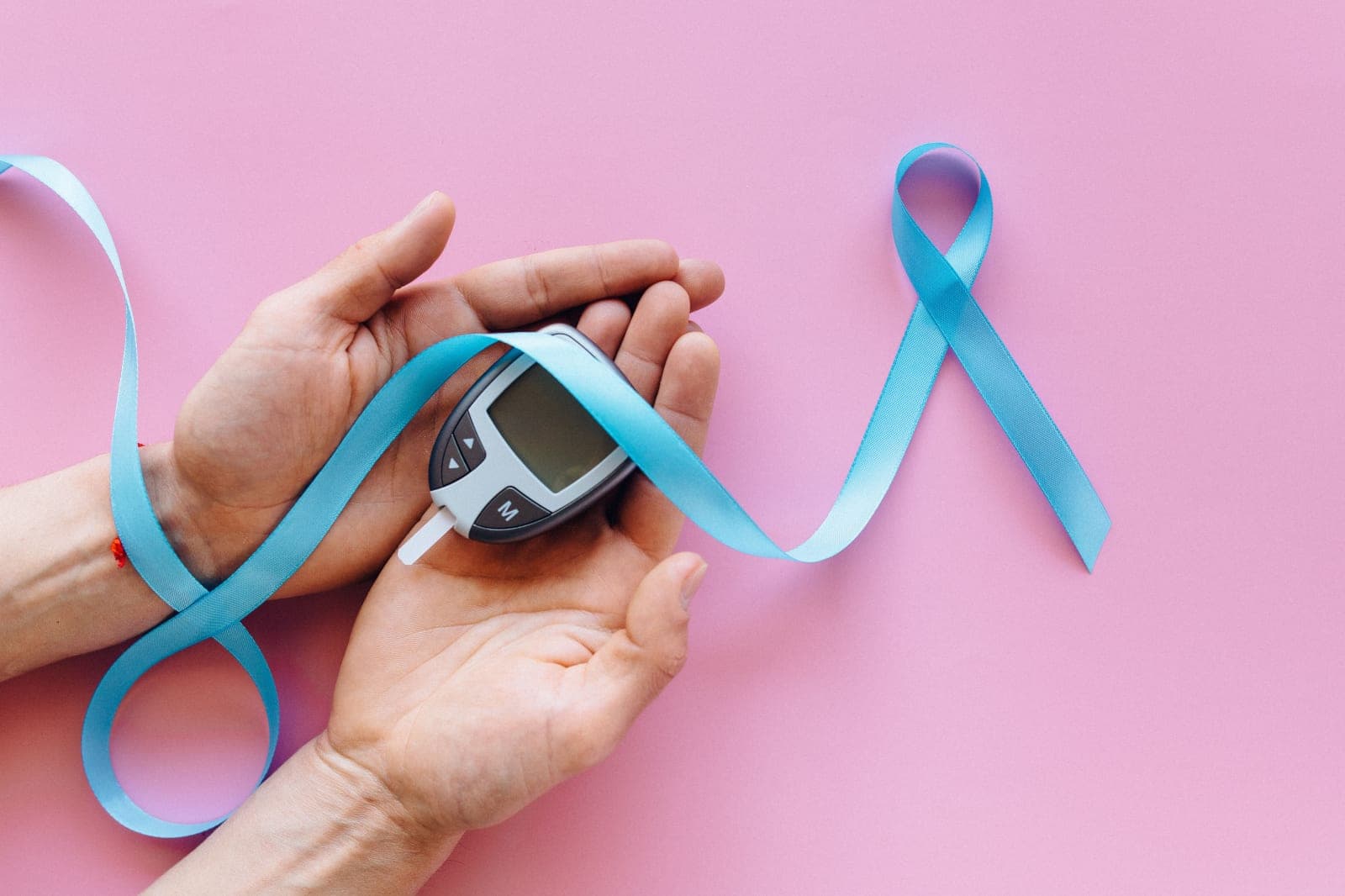
Type 2 diabetes does not begin with high fasting sugar, but with insulin resistance - a condition when the pancreas keeps sugar normal for years at the cost of constantly high insulin. A person can live this way for 5-10 years before the sugar breaks, and all this time the body gives signals. Russian doctor Sergey Dlin told about them, writes sb.by.
According to Sergey Dlin, the standard analysis - fasting sugar - misses the problem. If it's 5.5, the doctor says "it's fine," but spikes in sugar after a meal and increased insulin are already there.
He listed several early signs. Sergey Dlin added that if you have 3 or more - it's time to take tests:
- The first - night trips to the toilet (1-3 times) - the kidneys remove excess fluid with high sugar. The second is intense thirst, especially in the evening and at night - the body tries to dilute the sugar. The third - dizziness with a sharp rise + drowsiness an hour after eating - insulin goes off scale, sugar fails. Fourth - waking up hungry at 3-4 in the morning, craving for sweets - night "sugar collapse", the liver can not cope. The fifth - dark spots on the neck, under the arms, in the folds (the skin is dense, as if dirty) - a classic sign of insulin resistance, called acanthosis.
In addition, noted Sergey Dlin, early signs include long wound healing - blood with high sugar poorly supplies tissues, fuzzy vision in the evening - sugar affects the lens, tingling and numbness in the feet - the first signal of diabetic neuropathy, constant dry mouth - dehydration due to high sugar, cold hands and feet even in the summer - small vessels suffer first, constant headaches, especially after a sweet or long break in eating.
The doctor told me what tests to take:
Fasting blood glucose: A basic test that shows blood sugar levels after a night fast (at least 8 hours). Glycated hemoglobin (HbA1c): shows the average sugar level over the past 2-3 months. A value of 6.5 percent or higher indicates diabetes. Oral glucose tolerance test (GGTT): A test loaded with 75 grams of dry glucose that determines how the body metabolizes sugar and helps identify latent diabetes or prediabetes.
Hidden causes of muscle weakness after 60 years: vitamin D deficiency, inflammation and other factors