“It was terrible”: because of the tremors declared a state of emergency
Panama's government declared a state of emergency on Saturday as the aftermath of two powerful earthquakes that rocked the country rocked communities for hours
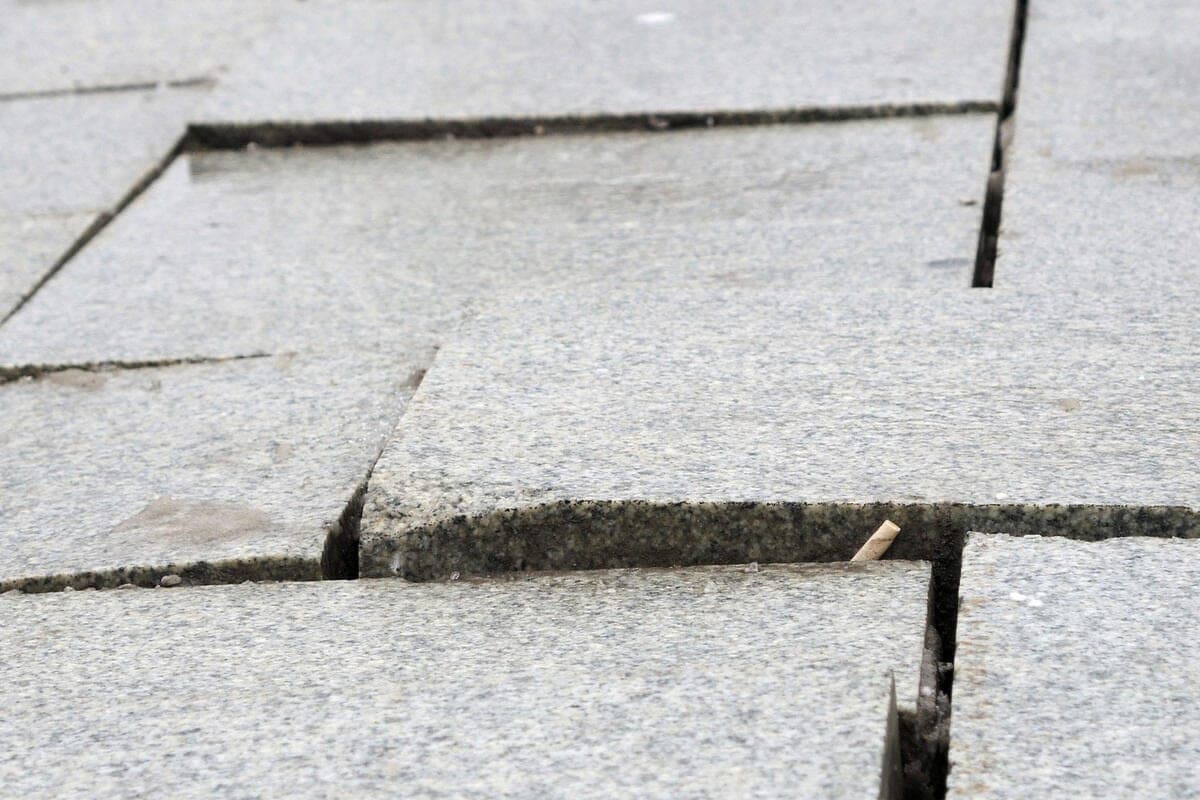
Officials did not link the deaths to Friday's 7.7- and 6.6-magnitude quakes, but reported destruction in all 10 provinces of Panama and two indigenous territories.
The earthquakes caused buildings near the epicenter to collapse and prompted evacuations across the Central American country. Seismologists recorded more than 100 aftershocks, including magnitude 5.8, 5.5 and 5.2.
According to the U.S. Geological Survey, the focus of the previous earthquake, which was also felt in neighboring Colombia, was about 10 km southwest of the remote village of Pitalosa Arriba in the central province of Herrera. The hearth lay at a depth of 10 km.
Presidential Minister Juan Carlos Orillac declared an emergency during a press conference in the capital, Panama City. He said the damaged facilities included homes, schools, medical facilities, roads and hotels.
Malizzi Rivera, deputy director of the National Civil Protection System, said 27 people were injured in varying degrees of severity.
The main damage was inflicted on the central provinces of Veraguas, Herrera, Cocle and Los Santos.
About 420 homes and as many public schools were damaged, according to the Civil Protection Agency. Seven hotels, at least 13 churches and nine bridges were affected.
In La Villa de Los Santos, a colonial-era settlement located about 64 km northeast of the epicenter, houses and a historic Catholic church collapsed. People who spent the night on the streets were waiting for government instructions on what to do next.
“We were here yesterday from 1 p.m.; we haven’t moved in yet,” said Tony Jimenez, whose home partially collapsed, sitting with relatives under the tent. - It was terrible. I can tell you with absolute certainty that in my 90s, I have never experienced anything like this. That was impressive.”.
Officials did not report casualties on Saturday, but said some communities remained cut off due to landslides and destruction.
According to Carlos Valdez, head of seismology at the National Autonomous University of Mexico, the fact that the country apparently managed to avoid mass deaths may be due to strict building regulations, especially regulating the construction of skyscrapers in the capital.
Shortly after the earthquakes, messages of support and offers of assistance were sent from across the region. On Friday, Mulino thanked the leaders of other Latin American countries for their support, saying he had spoken in particular with the presidents of Chile, Uruguay and Guatemala.
The U.S. State Department on Saturday said it had mobilized a disaster response team to help local authorities conduct search and rescue operations as well as assess the situation from the air and on the ground. The U.S. government has also allocated $5 million for humanitarian aid. The U.S. Southern Command said two helicopters, backed by the State Department's Bureau of Drug Control, delivered 2,000 pounds (907 kg) of food to people affected by the quakes.