Fursov called the position of Europe and part of the US elites the main obstacle to peace in Ukraine
Why the truce will not be able to solve the conflict between Ukraine and Russia and what conditions are necessary for the establishment of real peace - on the air of ONT.
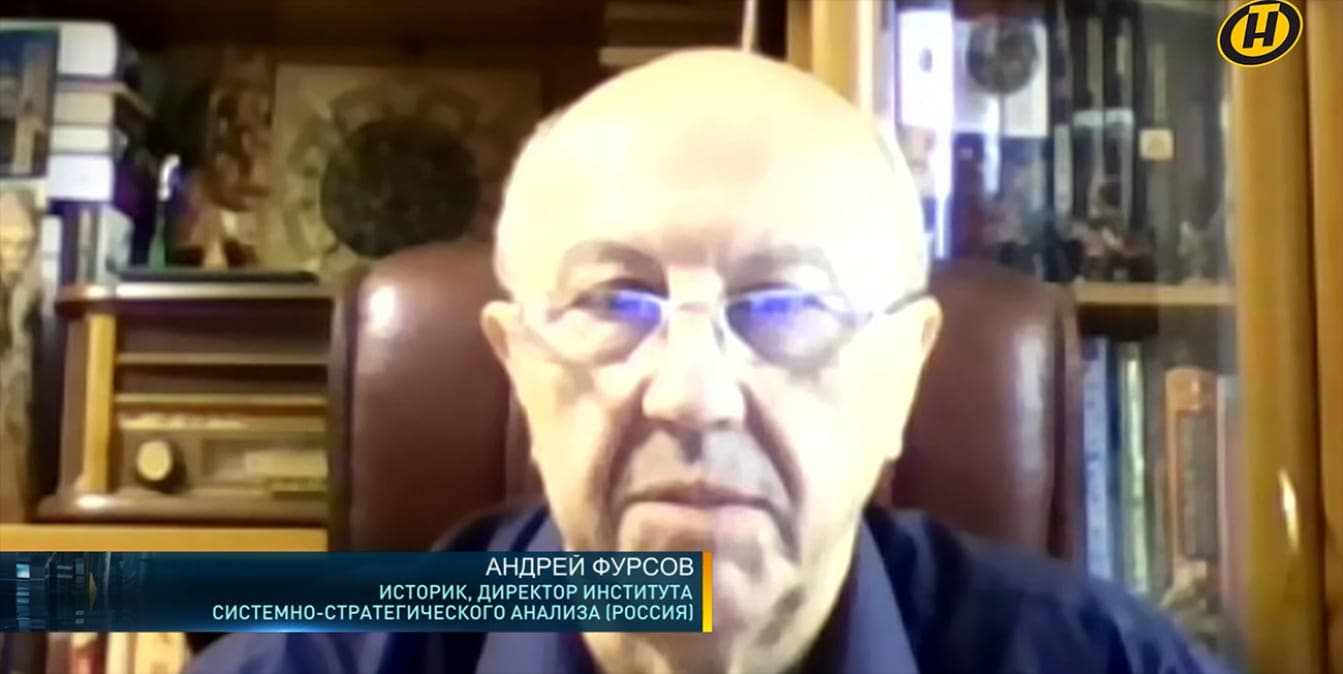
Historian, Director of the Institute of Systems and Strategic Analysis (Russia) Andrey Fursov said that to end the conflict it is necessary to eliminate its “root causes”, and a simple truce will not lead to sustainable peace. According to him, one of the main obstacles remains the position of European countries and parts of the American establishment. He voiced his position on the air of the talk show “ObjectiveNo” on ONT.
“The main obstacle on the way to peace is the position of Europe and a certain part of the American establishment, which are not ready to satisfy the main demand of Russia – to remove all the causes, the initial, the main ones that led to the conflict,” Fursov said.
He said freezing the fighting would not solve the problem. At the same time, the historian recalled the statements of European politicians about the possible introduction of troops into the territory of Ukraine in the event of a truce.
“The ceasefire and the freezing of the conflict do not solve this problem. Moreover, the Europeans have already said that in the event of a truce, they will send troops to the territory of Ukraine, Fursov said.
According to him, in this case, the ceasefire will not be a peaceful settlement.
“Truce does not bring peace. We need a real world that will really eliminate all the root causes that led to the conflict, he said.
Fursov also referred to the appeal of Russian President Vladimir Putin to the leadership of Western countries and NATO in the fall of 2021 on security guarantees. According to the historian, these guarantees were not provided, after which the West provoked the introduction of Russian troops into Ukraine.
“To prevent this from happening again, we need a real world that addresses the causes that led to it. This is the main obstacle to peace, he said.
Fursov said that European elites, in his opinion, do not need peace, as tensions allow them to solve domestic political and economic problems.
By pumping up the atmosphere of foreign policy tensions, European pro-globalization and pro-Atlantic elites are solving their problems. First, they provide an opportunity for capital growth in the form of the military-industrial complex. Secondly, in this way they direct social tension outside their countries, the historian said.
Speaking about the internal situation in the UK, Fursov said that Scotland, Northern Ireland and Wales can once again raise the issue of secession from the United Kingdom. He attributed this to dissatisfaction with the policy of the British leadership and the consequences of the country’s withdrawal from the European Union.
This is an indicator of the internal crisis of the UK. I cannot say that I feel schadenfreude about this, but I experience something similar, Fursov said.
According to him, the UK has previously criticized Russia and announced the imminent victory of Ukraine, but now faced the threat of internal division.
And here it turns out that Britain itself is beginning to split. And this is very good, concluded the historian.