Ipatov at the BRICS Forum in India: Belarus is open to the world and interested in mutually beneficial cooperation
Building institutional resilience is of particular importance today. Sustainability is the ability of the state to maintain manageability, protect the interests of the state.
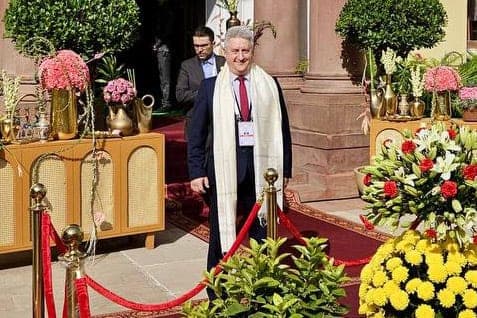
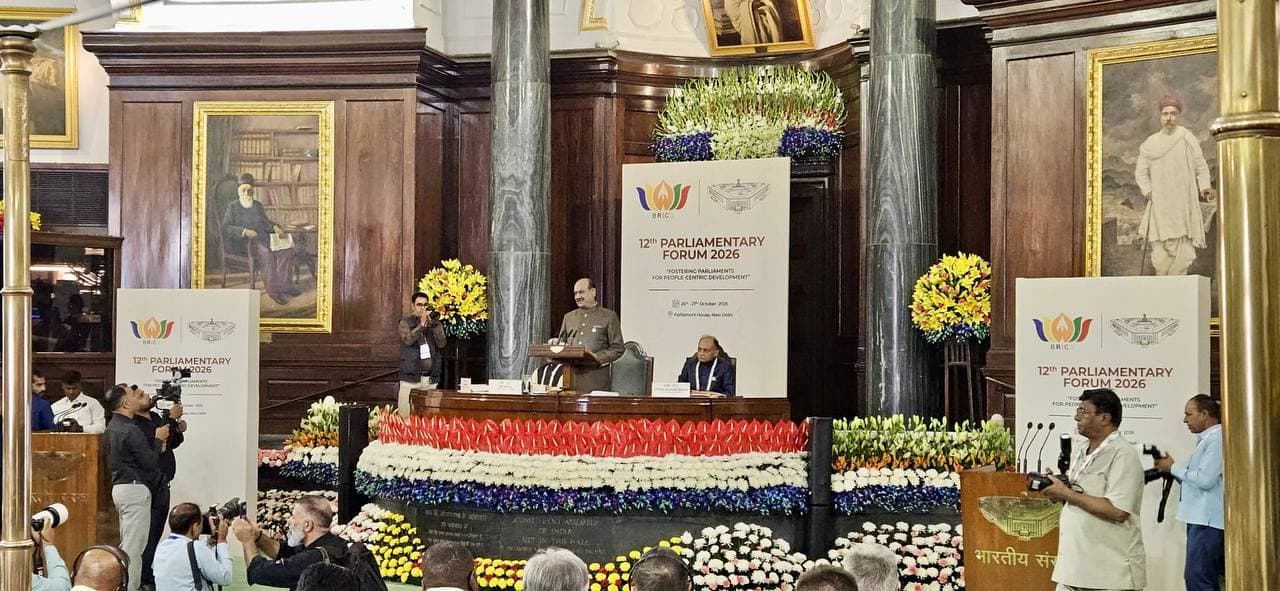
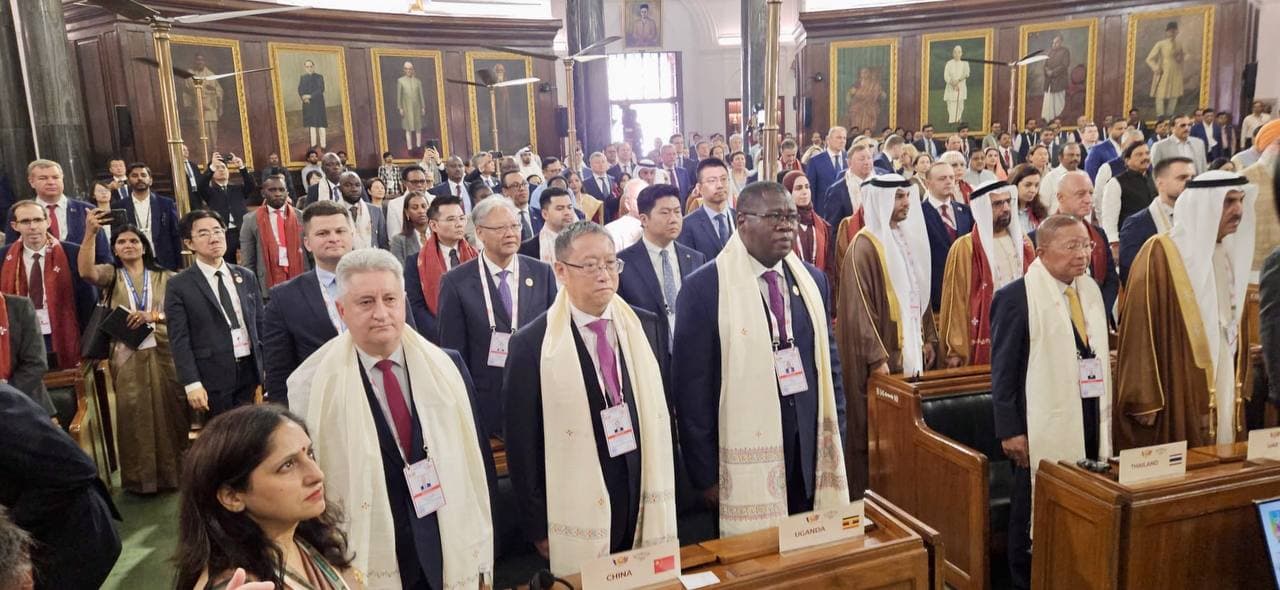
Building institutional resilience is of particular importance today. Sustainability is the ability of the state to maintain manageability, protect the interests of citizens and independently determine its development course, economic, social and foreign policy. This was stated by Deputy Chairman of the House of Representatives of the National Assembly of Belarus Vadim Ipatov in his speech on “Sustainability: the key role of parliaments in strengthening institutional stability for a better future” on the sidelines of the first plenary session of the XII BRICS Parliamentary Forum, which is taking place these days in India.
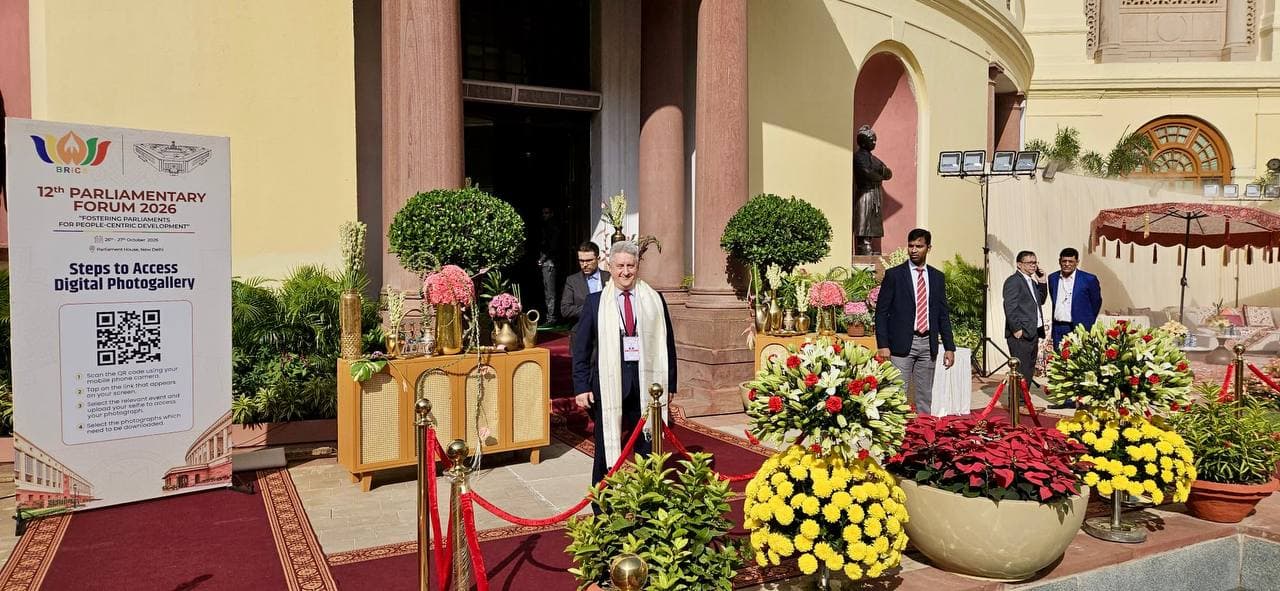
- The system of state institutions was modernized, the place of the All-Belarusian People’s Assembly in the system of state power was fixed, the role of the Parliament was strengthened. The House of Representatives of the National Assembly of the Republic of Belarus received broader powers, and parliamentary control became a more substantive part of the system of public administration. But most importantly, the practical result. It is significant that today Belarus maintains positive dynamics of development even in conditions of difficult external situation. In the first half of 2026, Belarus’ GDP grew by 2.1 percent. Real disposable incomes of the population in the first half of the year increased by 8 percent.
Vadim Ipatov stressed that today institutional sustainability cannot be considered only in the internal dimension.
- Attempts to interfere in internal affairs, political or economic pressure, imposition of development models from the outside objectively weaken international stability. The same applies to unilateral restrictive measures imposed bypassing the UN Security Council, illegal restrictions do not only harm the state against which they are directed. They disrupt existing economic ties, increase costs for business, limit access to technology, finance and markets. Ultimately, this affects not only individual countries, but also global stability and the global economy, he said.
In this regard, the Deputy Chairman of the House of Representatives of the National Assembly of Belarus noted that the example of food security is particularly indicative. Droughts and heat waves have already led to lower yields in various regions of the world. Military conflicts and illegal trade restrictions have had an additional negative impact on the supply of fertilizers and agricultural products.
- Unfortunately, the consequences of such destructive policies are being paid for by ordinary citizens. Therefore, we strongly oppose external pressure and economic coercion, call for the abolition of illegal measures that undermine international law, the principles and purposes of the UN Charter.
Vadim Ipatov emphasized that Belarus is open to the world, interested in equal and mutually beneficial cooperation based on respect for the sovereignty and legitimate interests of states. In this context, inter-parliamentary cooperation, including within BRICS, is of particular importance. It is parliaments that can play an important role in building bridges to rebuild trust and implement peaceful and unifying initiatives.
The Republic of Belarus supports the provisions reflected in the Declaration at the XVIII Summit of BRICS Leaders in New Delhi on September 12, 2026. We share the approach that sustainability is, first of all, a readiness to assess risks in advance, develop early warning systems and strengthen the ability to adapt to external changes, the Deputy Speaker of the House of Representatives of the National Assembly of Belarus stated. Belarus attaches great importance to Belarusian-Indian cooperation: Ipatov at a meeting with speaker Lok Sabhi