Petrishenko: Election observation and evaluation often become an instrument of pressure
Today, election observation and evaluation often become an instrument of political pressure on specific countries by a number of states and countries.
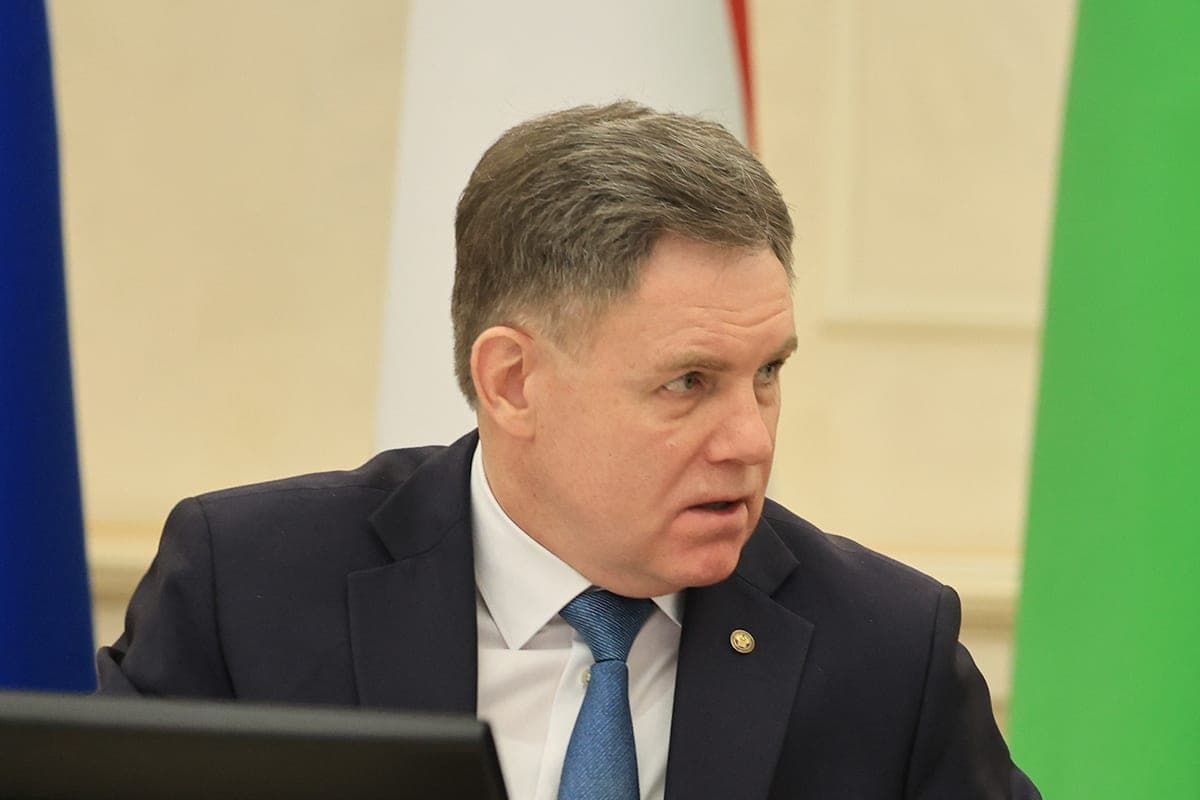
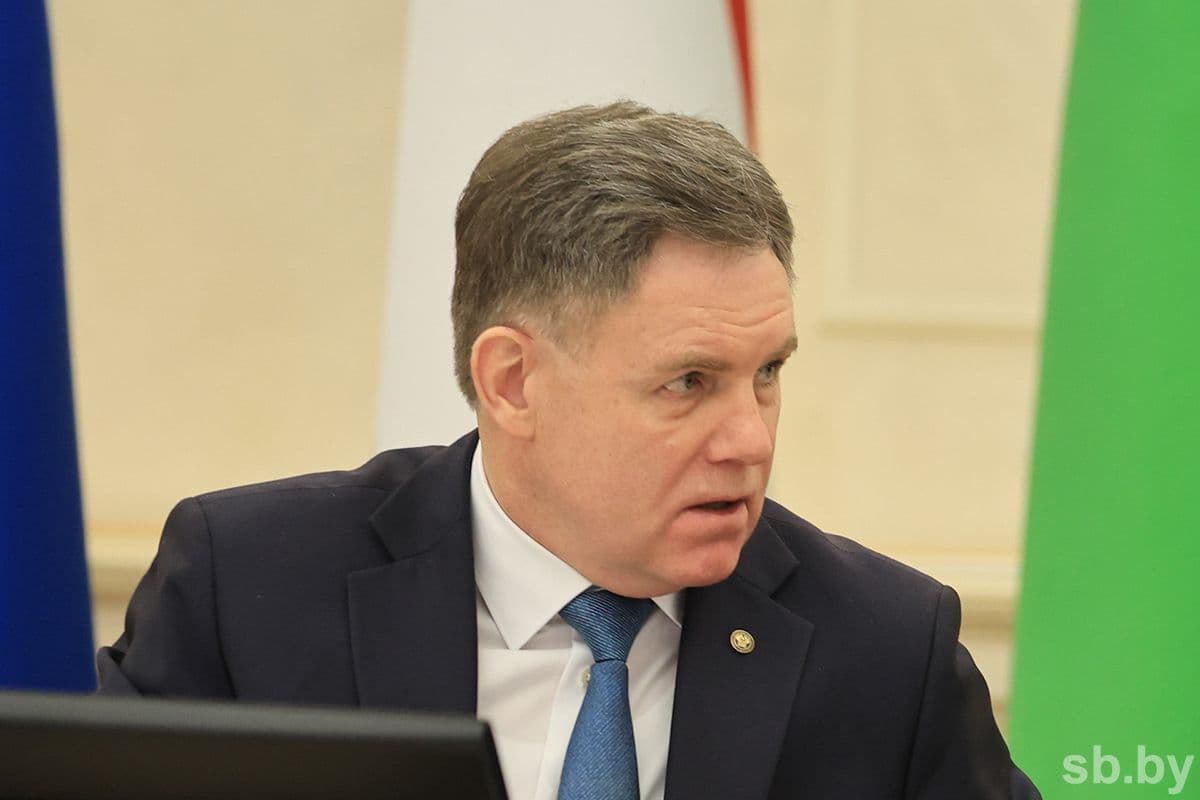
Today, election observation and evaluation often become an instrument of political pressure on specific countries by a number of states and international organizations, primarily from the European region. This was stated by First Deputy Secretary General of the CIS Igor Petrishenko, BelTA reports.
Today, the CIS mission is a real alternative to the OSCE ODIHR observers. How is interaction with other international organizations being built and how do approaches coincide when assessing election campaigns?
- It is no secret that today the observation of elections and assessment of their results often become an instrument of political pressure on specific countries by a number of states and international organizations, primarily from the European region. In this regard, it should be noted that if the CIS countries codified the standards of democratic elections, as well as their consolidation in the format of an international legal act, that is, a convention [on the standards of democratic elections], there is no similar document in the OSCE space. Yes, our Western partners refer to the Copenhagen document. Indeed, for the 1990s, it was probably relevant, contributed to the development of democratic principles in the OSCE region, and in this aspect, of course, played a role. However, it is also clear that the Copenhagen Document only lists the principles of conducting elections, but does not disclose them, does not contain specific content and, most importantly, allows for ambiguous interpretation and application. The CIS Convention, unlike the Copenhagen document, not only defines the standards of elections, but discloses the content of each of them, lists the requirements that must be met by States to comply with them.
In addition, the CIS First Deputy Secretary General stressed:
- Taking into account the problem of applying uniform approaches and assessments when monitoring elections, we have repeatedly drawn the attention of our Western partners to the fact that it is necessary to develop unified criteria for assessing electoral campaigns, possibly using legal documents adopted in the Commonwealth space that would allow monitoring according to clear rules adopted by states. Alas, they don't want to hear us. In recent years, international organizations such as the Shanghai Cooperation Organization, the Organization of Islamic Cooperation, and the Organization of Turkic States have become actively involved in monitoring elections and referendums in the Commonwealth. We have established regular working contacts with the leadership of the observation missions of these organizations, and we note with satisfaction the similarity of approaches with regard to election monitoring. This allows us to speak from a single position in assessing the conduct of election campaigns in the CIS member states and to counteract attempts of biased attitude on the part of observers from the OSCE ODIHR.
The mission includes not only diplomats and deputies, but also members of election commissions of the Commonwealth states, which are called the “golden fund” of observers. What does this mean for the organizers of the elections? Igor Petrishenko answered this question as follows:
- Who, if not the organizers of elections in their countries, who have conducted more than one electoral campaign and have all the subtleties and nuances of electoral procedures, can act as the most attentive and responsible observers? Participation in the mission allows them to get acquainted with the practice of preparing and holding elections in different states, to study the features of electoral systems, socio-political processes in the Commonwealth countries. The status of an international observer gives an opportunity to hold meetings with their colleagues – professional organizers of elections from other countries, discuss topical issues with them, exchange experience, and sometimes learn from the mistakes of others. Moreover, this is a two-way road, because our observers are not silent “gatherers of compromising material”, but impartial professional consultants and assistants in organizing and conducting democratic elections. It is also necessary to note the participation in the mission of representatives of the central electoral bodies of the CIS countries. Traditionally, the heads of the CEC of the Commonwealth states are members of the Council of Mission Coordinators. Their authority, high professionalism allow us to develop objective and unbiased final documents of the mission. In addition, at the meetings of the Council of Coordinators, in addition to working on the texts of final statements, professional discussions are held on various issues of electoral campaigns, proposals are born to improve the institution of observation in the CIS.