Why the summit in Shenzhen did not become “Yalta-2”: the political scientist assessed the results of the meeting of the leaders of Russia, the United States and China
Professor Pavel Feldman on the air of the program “How to See” on ONT explained why comparisons between Vladimir Putin, Donald Trump and Xi Jinping on the sidelines of APEC and the Yalta Conference are incorrect, and called the main result of the dialogue between the nuclear powers.
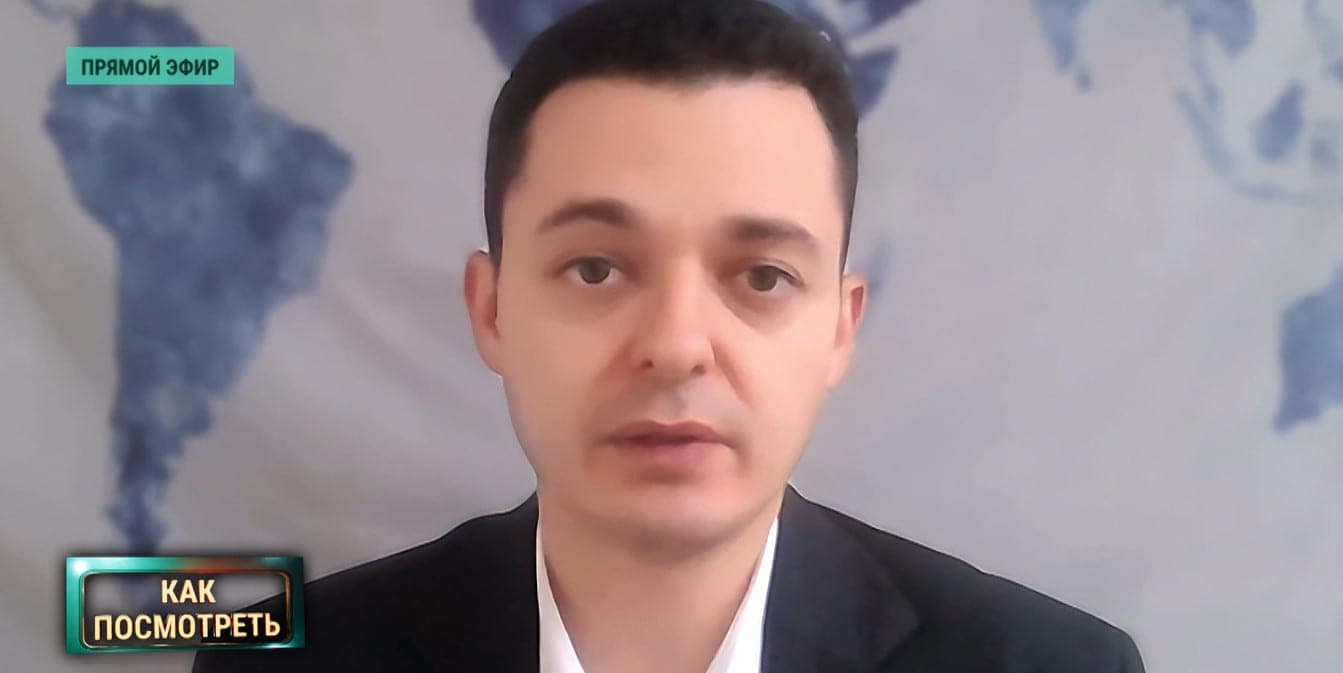
On the eve of the APEC summit, many experts called the trilateral meeting of the leaders of Russia, the United States and China a new Yalta-2, expecting a global redistribution of spheres of influence. Why these forecasts were overestimated than the current geopolitical situation differs from 1945 and what is the main outcome of the negotiations in Shenzhen — on the air of the program “How to look” on ONT told Professor of the Academy of labor and social relations (Russia) Pavel Feldman.
Pavel Feldman: There were indeed many expectations ahead of the APEC summit. I find many of them overestimated. Some political scientists, journalists called the trilateral meeting with the participation of Xi Jinping, Putin and Trump almost “Yalta-2”. In fact, all international conflicts continue to smolder, and the outcome remains unknown. The Yalta Conference of 1945 was held at a time when the victors were truly dividing the world, but they were dividing the occupied parts of the territory that their troops were already occupying. At the moment, it is very difficult to determine the borders, the location of combat units, because the situation is dynamic, the situation is not completed. Thank God that in principle, the leaders of these three countries can be in the same space, at the same round table, because they are not just one of the largest economies in the world, they are the leading nuclear powers. And as long as their leaders are capable of dialogue, it is unlikely that a major hot third world war will occur. This is the main outcome of the Shenzhen negotiations.”.