Land-Lease. Could the Soviet Union have won without US help? Likbez BY
Modern Western historiography clearly exaggerates the role of American supplies, as there are those who deny the importance of Lend-Lease in general

Under each video on the subject of the Great Patriotic War or World War II in general, there are comments like “yes, without lend-lease the USSR would lose in two days, it could not do anything, all the wars in the world won the United States.” Indeed, modern Western historiography clearly exaggerates the role of American supplies, as there are those who deny the importance of lend-lease altogether. In today’s issue, we will try to understand what lend-lease is, who benefited from it and what its real contribution to the victory over Hitler’s Germany was.
Lend-Lease is a state program under which the United States during World War II provided assistance to allies. The name comes from the English "lend" (to lend) and "lease" (to rent) - these words often flashed in the text of the program, and therefore its name - lend-lease was fixed.
By the fall of 1940, when discussions of possible aid began in the United States, this was the situation in Europe. Poland, France, Denmark, Norway and the Benelux countries under German occupation. Italy entered the war on Hitler's side. Spain, Portugal, Switzerland and Sweden remain neutral to varying degrees. Romania, Hungary, Bulgaria and Slovakia are moving closer to the Fuehrer, and an agreement is signed with Finland on the transit of German troops through its territory. The only country in Europe that continues to confront Germany is Britain.
British Prime Minister Winston Churchill asked the United States for help. American society is divided into two camps. Some believe that one should not abandon allies, others – that one should not get involved in someone else’s war. And President Franklin Roosevelt, who is about to run for a third term at this point, wants both allies to help and voters not to fight. Bypassing Congress, he signs the Destroyers for Bases agreement, under which Britain receives 50 old but capable American destroyers, and the United States - the rights to lease British military bases in the Atlantic and Caribbean. Help is not enough, but this is the first step.
After winning the election, in December 1940, Franklin Roosevelt speaks at a press conference and gives his famous speech, which will become an analogy for the entire Lend-Lease program. “Suppose my neighbor’s house catches fire and I have a piece of garden hose four or five hundred feet long from it. If he can take my hose and connect it to his hydrant, I might help him put out the fire. I don’t say to him, ‘Neighbor, my garden hose cost me $15; you have to pay me $15 for it.’ I don’t want $15 – I want my garden hose back after the fire is put out.
With this analogy, Roosevelt explained to the isolationists why helping a warring Europe with weapons was beneficial to the security of the United States itself (because it would help my house avoid a fire too), and it was pointless to demand immediate payment for this hose. Then heated discussions begin in society and at the top, and as a result, on March 11, 1941, Roosevelt signed the Lend-Lease Act, which, interestingly, was officially called the “Protection of the United States Act”.

Under the terms of the Lend Lease, transferred property remaining after the end of the war and suitable for civilian purposes must be paid in whole or in part on the basis of long-term loans granted by the United States (mainly interest-free loans). In case of interest of the American side, undestroyed and unlost machinery and equipment should be returned to the United States after the war.
The law did not provide a specific list of countries to be assisted. It allowed “the sale, transfer of title, exchange, lease, lend, or otherwise dispose of any defense product for the benefit of any such government [the defense of which the President deems vital to the defense of the United States]” (Article 3(a). On the same day, March 11, Roosevelt signed directives declaring the defense of Britain and Greece vital to the defense of the United States; on May 6, China was added to the list of recipient countries of Lend-Lease.
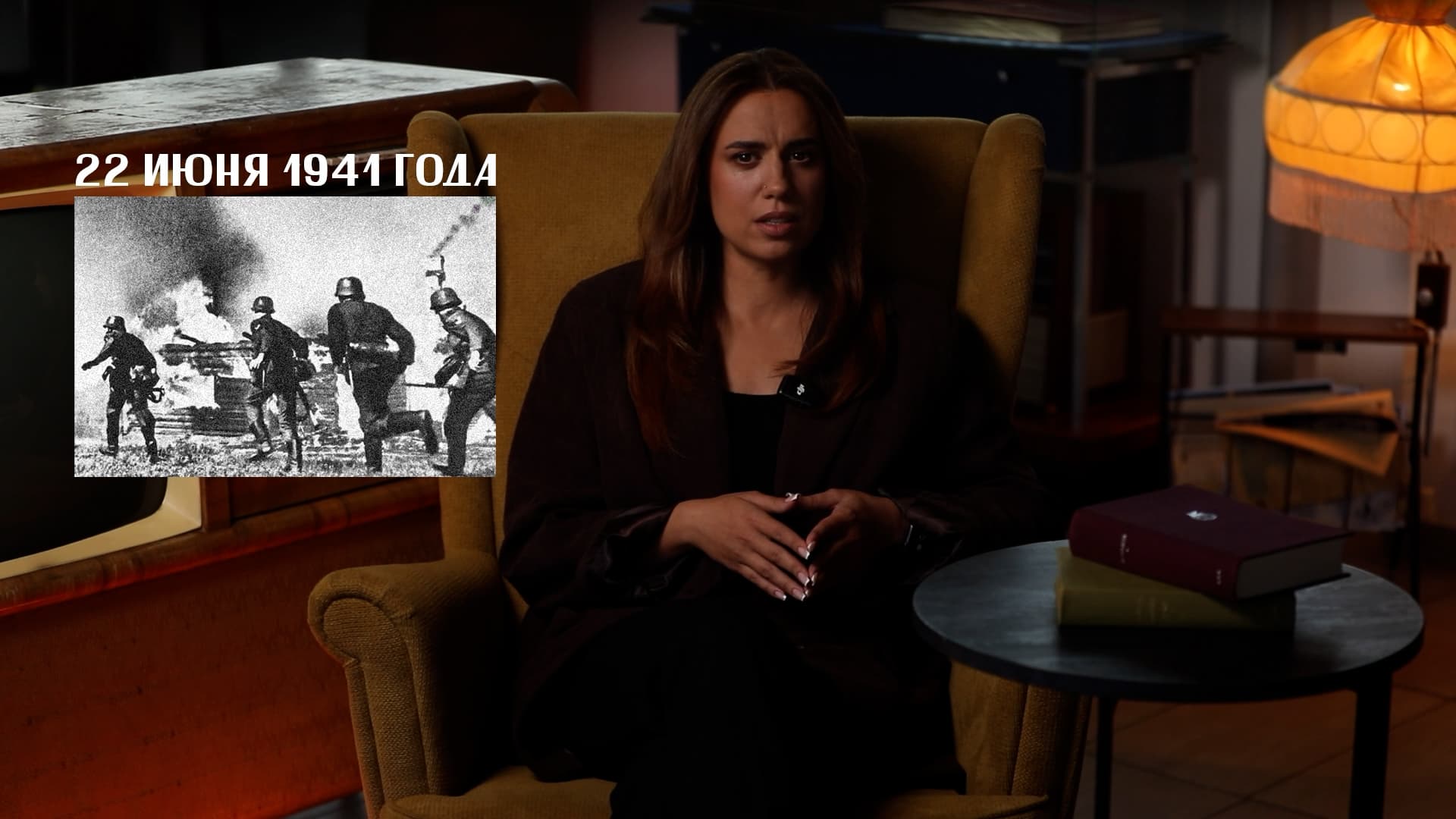
On June 22, 1941, Germany attacked the Soviet Union, and British Prime Minister Winston Churchill made a radio speech in which he promised to provide the Soviet Union and the Russian people with all possible technical and economic assistance. Talks of aid have begun in the United States. The Americans had doubts about the need to help the Soviet Union. First, it is the ideological adversary against which the West recently wanted to pit Hitler. For example, Harry Truman, then US Senator from Missouri and future president of the country on July 24, 1941, said in a commentary to the New York Times: “If we see that Germany wins, we should help Russia, and if Russia wins, we should help Germany, and thus let them kill as many as possible, although I would not like to see Hitler victorious under any circumstances.”.
The second reason, following the example of the countries of Europe, was the uncertainty that the USSR would be able to resist Hitler for a long time. On July 30, Roosevelt’s aide Harry Hopkins flew to Moscow and met with Stalin. He would later inform his leadership that the Soviet Union was ready to fight to the end, and that supplies should be started immediately.

But immediately in the context of international agreements, this is not tomorrow, and only on September 29, a conference of the countries of the anti-Hitler coalition begins in Moscow, with the participation of representatives of the United States and Britain - at which the Allies agreed on the amount of assistance to the USSR from October 1, 1941 to June 30, 1942. Three more protocols were signed during the war, extending the delivery period.
They were carried out along three main routes. Each of them had its own characteristics, capacity and level of losses.
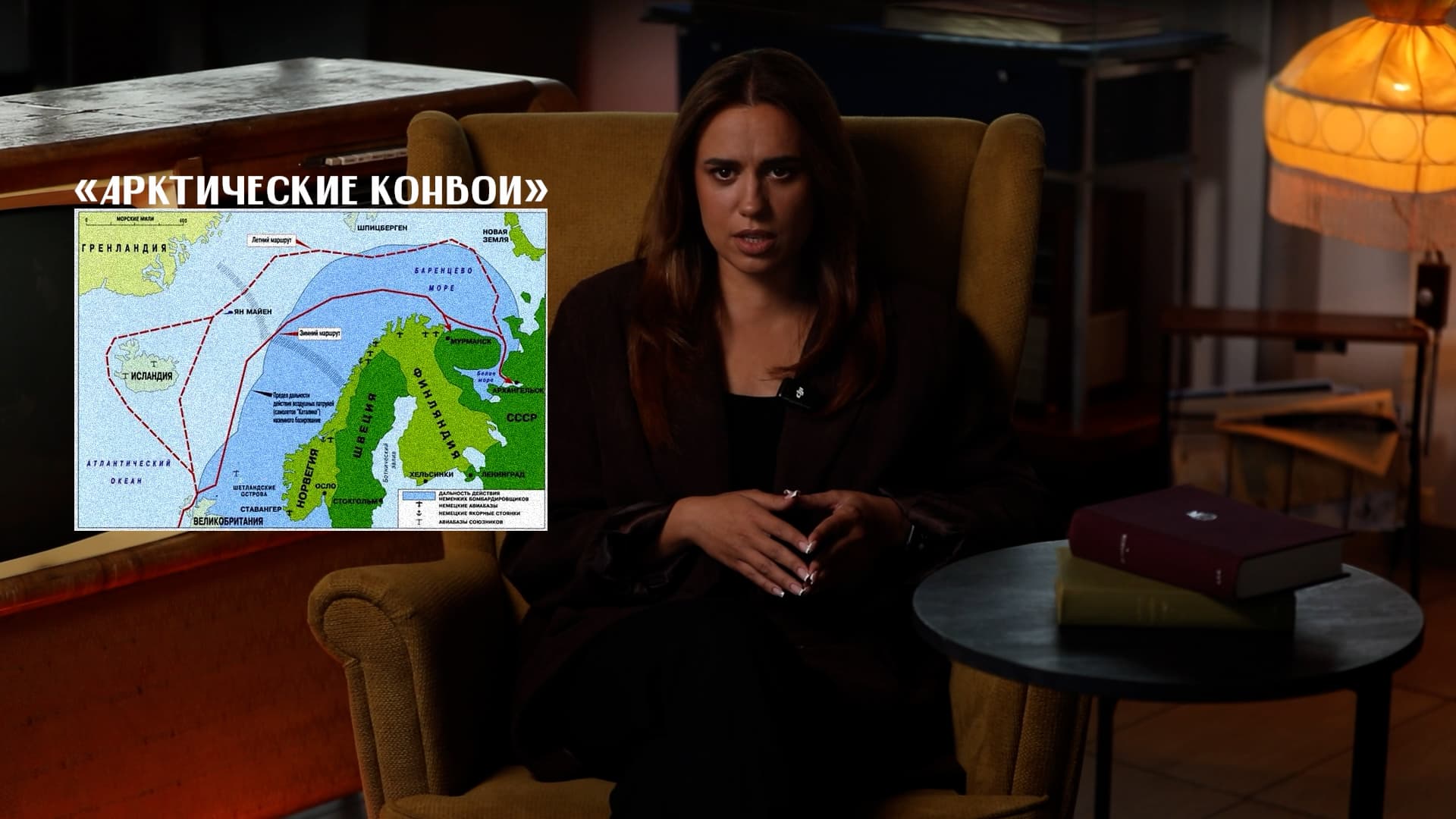
The first is the Northern Sea Route (or “Arctic convoys”), from ports in Iceland and Scotland to Murmansk and Arkhangelsk. The distance is about 3,500 km. Travel time is from 7 to 14 days. This route was the shortest, but also the most dangerous. The convoys were attacked by German aircraft based in Norway, submarines and surface ships.
In total, 78 convoys proceeded to the shores of the USSR and back. Nearly 13% of cargo along the way was lost. About 3,000 sailors of the allied merchant fleet were killed. The worst disaster on this route in June 1942 was the loss of convoy PQ-17, destroying 24 of 37 ships. Only about a quarter of the total volume of Lend-Lease deliveries of the USSR received through northern ports.
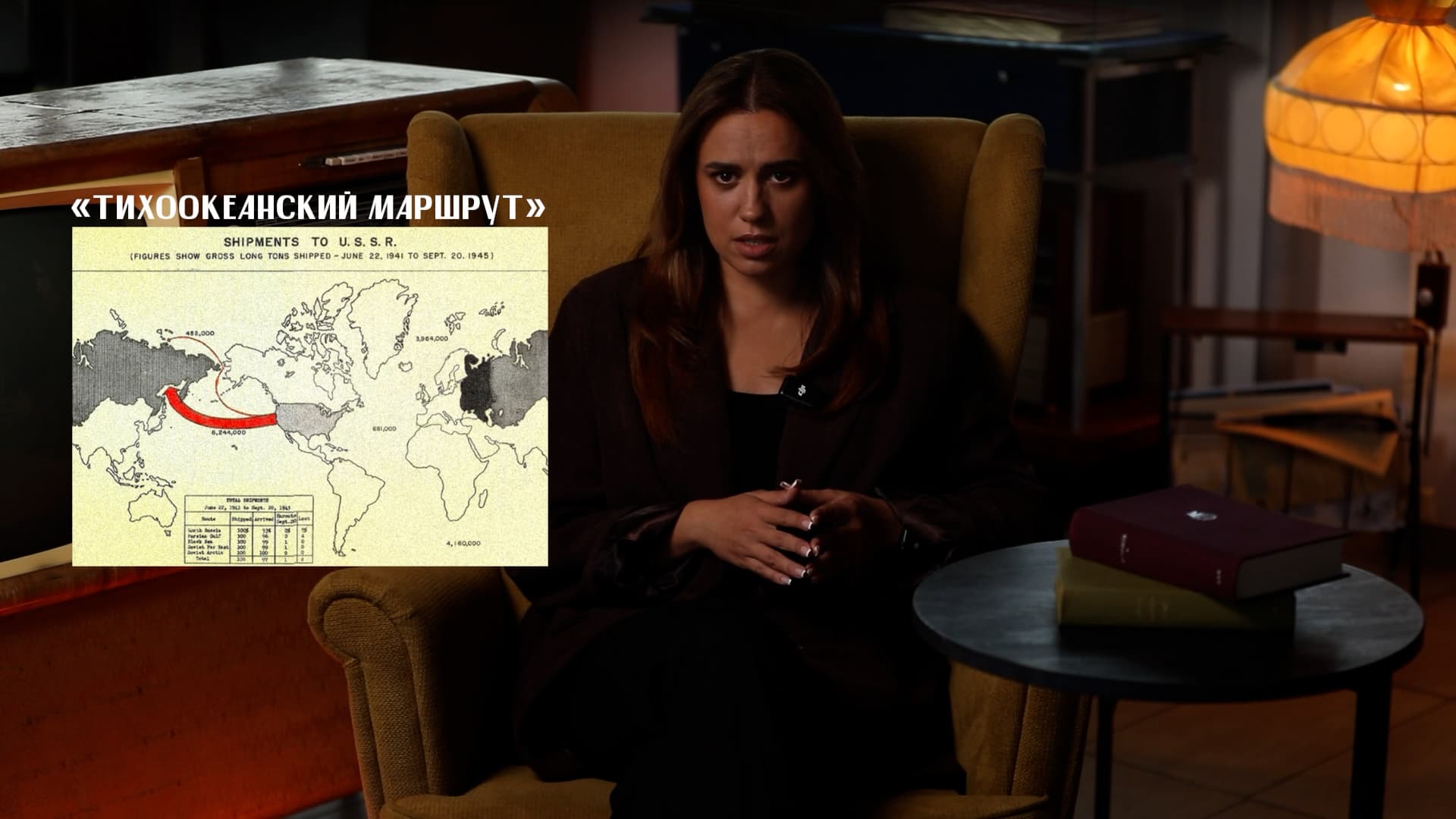
The second route is the Pacific. The cargo was shipped from the west coast of the United States (mainly from Seattle, Portland and Los Angeles) to the Soviet ports of Vladivostok, Nakhodka and Petropavlovsk-Kamchatsky.
From a military point of view, this route was the safest, since the USSR remained neutral in the war with Japan until August 1945. Soviet ships carried cargo under their own flag and were not attacked by the Japanese fleet, and German submarine activity in the Pacific was limited. But the route had a significant limitation: Soviet ships could carry only civil and dual-use cargoes (raw materials, food, industrial equipment). Transportation of weapons on ships of a neutral country would violate international law and could provoke war with Japan. Therefore, the loads on this route tried to mix. And as a result, about 40% of the total volume of Lend-Lease was delivered through the Pacific Ocean.
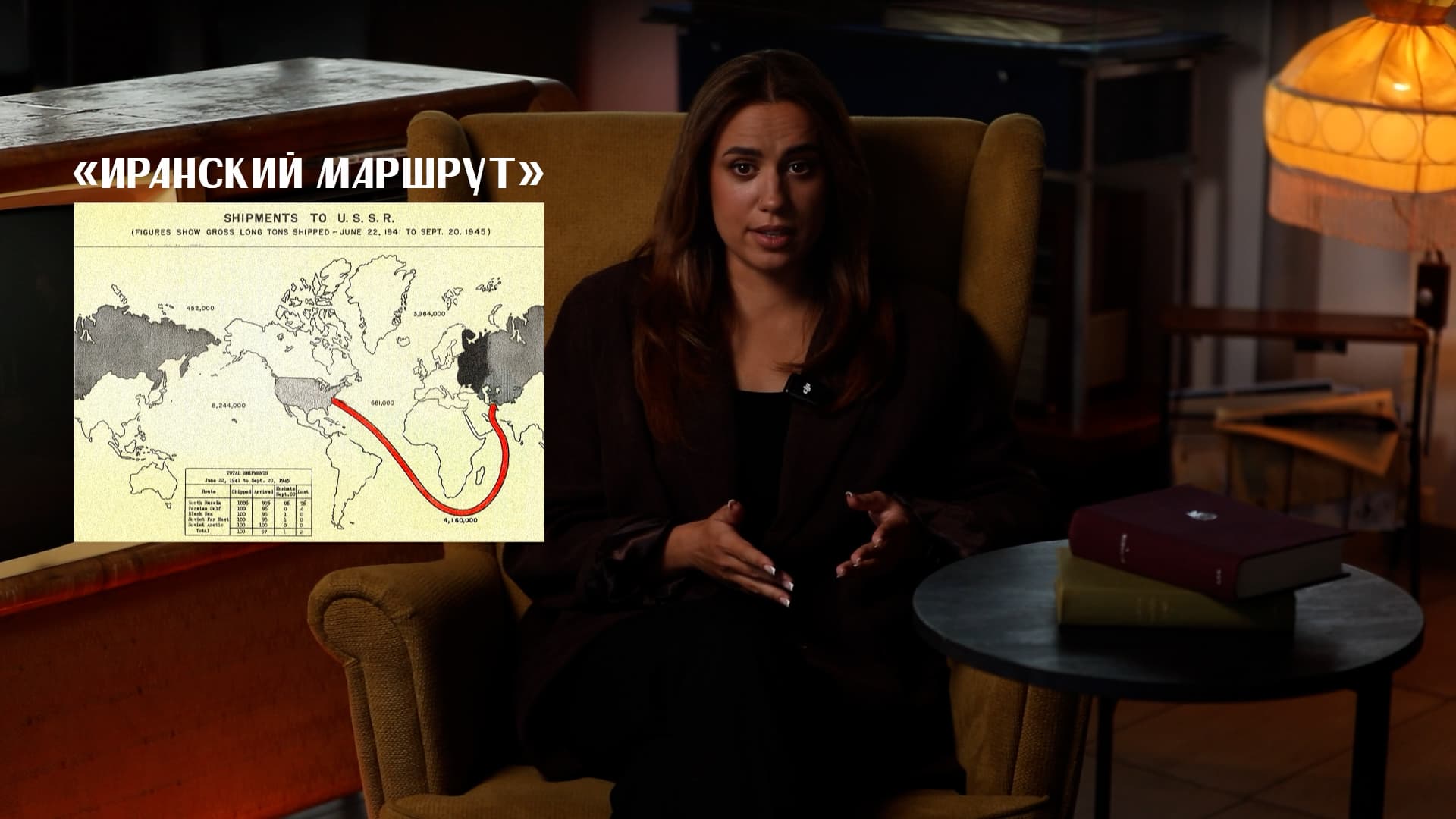
And the third is the Persian Corridor (or “Iranian Route”). The point of departure was the ports of the Persian Gulf. From there, goods were transported to Soviet ports on the Caspian Sea and directly by land through the border Djulfa, and then by rail to the central regions of the USSR. In August-September 1941, Soviet and British troops entered Iran to protect transport corridors and local oil from Germany. The Americans modernized the Trans-Iranian Railway and brought their own locomotives and wagons there. Nearly a quarter of all allied shipments passed through the Persian Corridor. The route was safe, but the capacity was small and the logistics complex: sea crossing, transshipment at Iranian ports, heavy rail and road transport across mountain ranges and re-shipment in the Caspian.
In order to transport cargo by sea, the United States in a short time established the production of transport ships "Liberty". One such barge could hold 10,000 tons of cargo or: 2,840 army jeeps, 440 light or 260 medium tanks, 525 armored vehicles or 00,000 105-mm shells. The speed of assembly "Liberty" brought to just one and a half months, and in November 1942 set an absolute record: the bulk carrier called "Robert E. Peary" was fully assembled and launched in just 4 days, 15 hours and 29 minutes after laying the keel.
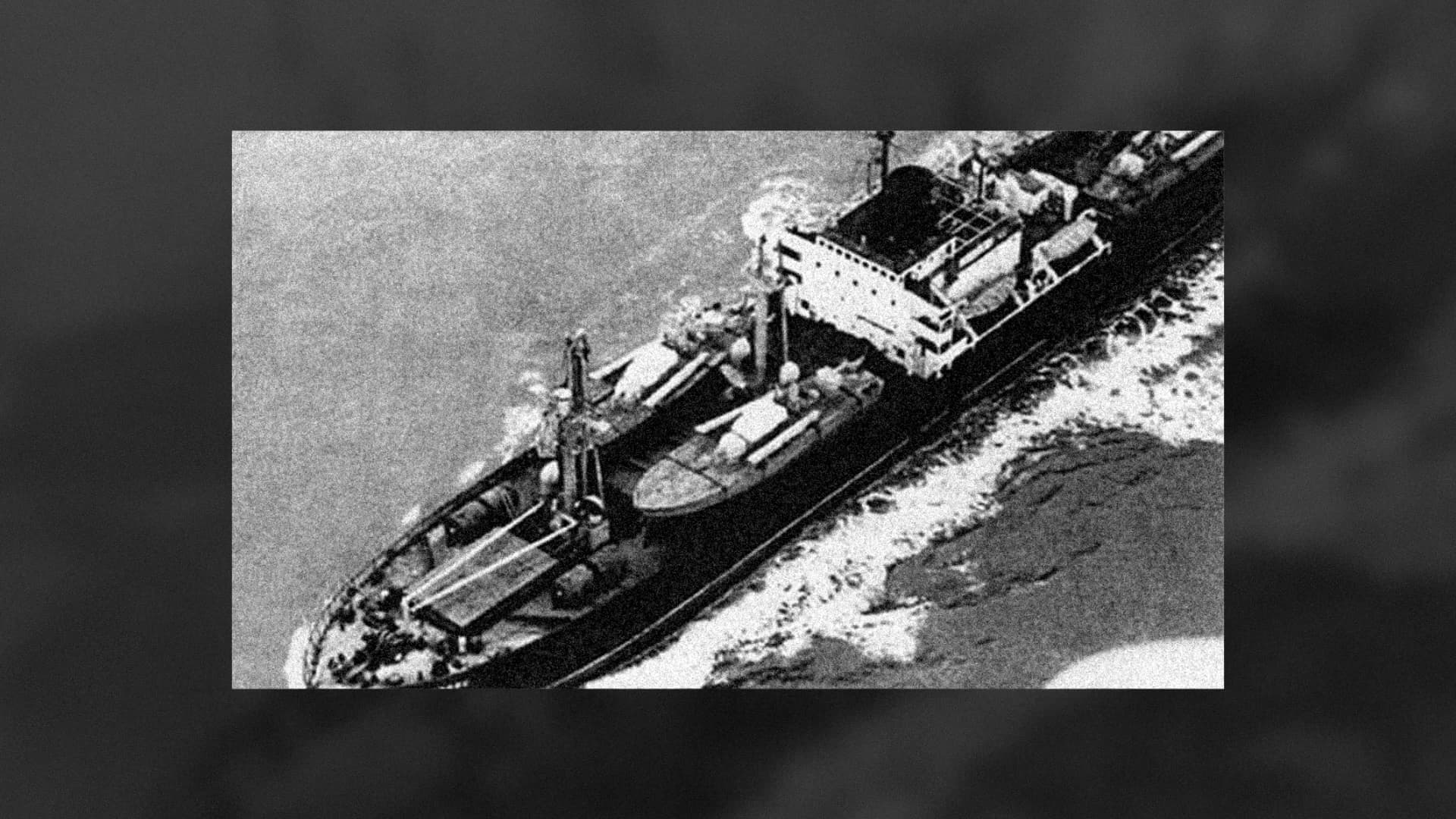
Now to the numbers. During the war, 17.5 million tons of cargo worth about $11 billion were sent to the USSR. Millions of tons of copper, aluminum and steel. For example, the amount of copper delivered was 4 times more than the amount of its smelting in the USSR. 2.5 million tons of aviation fuel, 345,000 tons of fuel and lubricants. Gunpowder, explosives and their components. More than 400,000 cars, including the legendary Studebakers, which were installed no less legendary Katyusha.
The Soviet Union received 13,000 tanks, 10% of the total, and 18,000 aircraft, 13% of the total. Among the latter is the P-39 (Aerocobra) fighter, on which the famous ace pilot, three times Hero of the Soviet Union Alexander Pokryshkin fought.
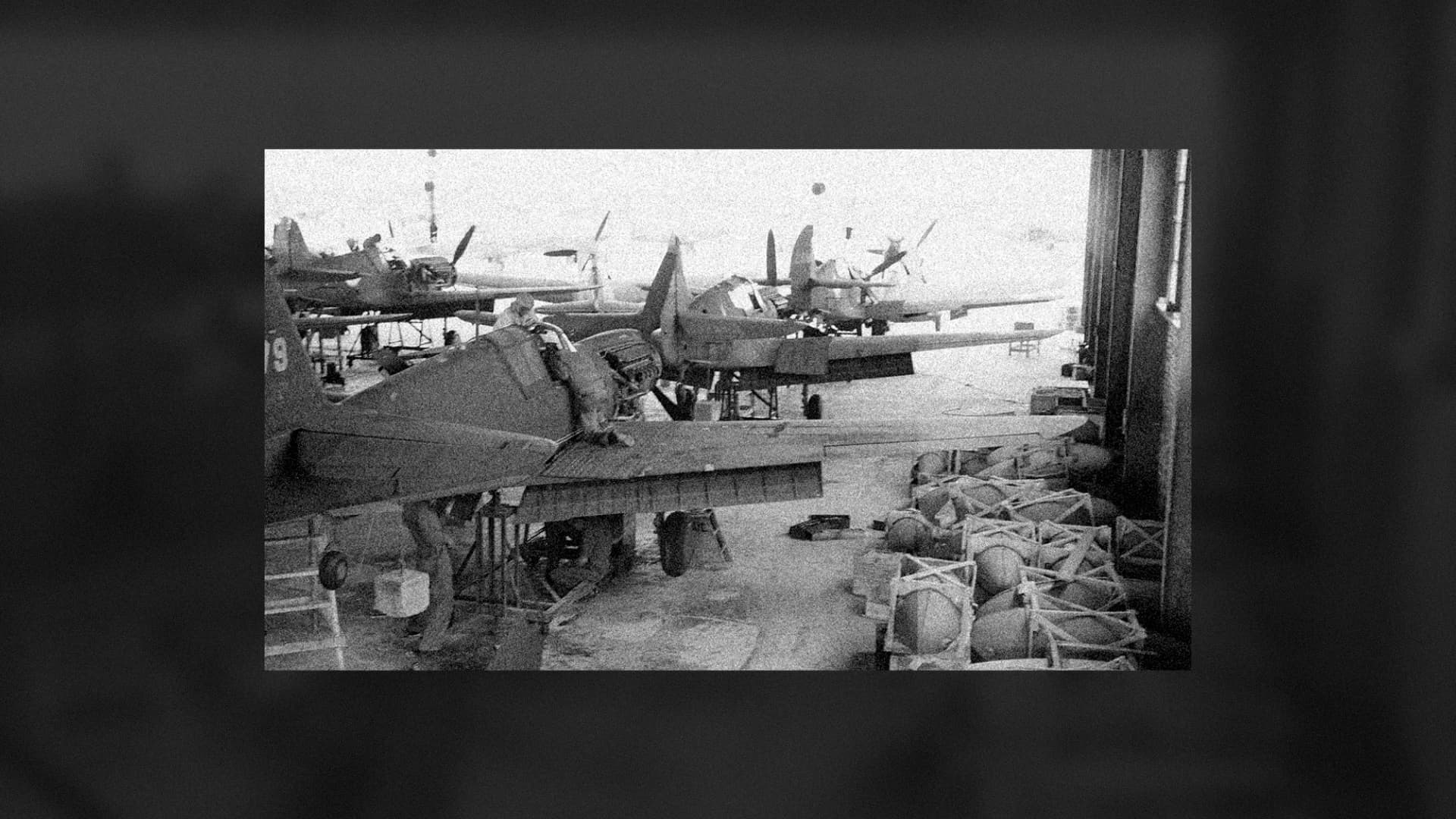
9,600 guns, 596 warships and ships, 2 out of 3 steam locomotives on Soviet railways were American (a total of 22,000 locomotives from the United States). 2 million meters of cable, 2 million phones, raw materials for radio production.
Another 4.3 million tons of food. Seeds, wheat, butter, chocolate, sugar and most importantly - canned meat. Namely, the pig stew, which Soviet soldiers called the “second front”.
Medications, antibiotics, medical devices and instruments. Blankets, clothes and cloth, even the base for soldiers' buttons. It would seem that some unrealistic figures. But let’s see what contribution Lend-Lease actually made to the Victory.
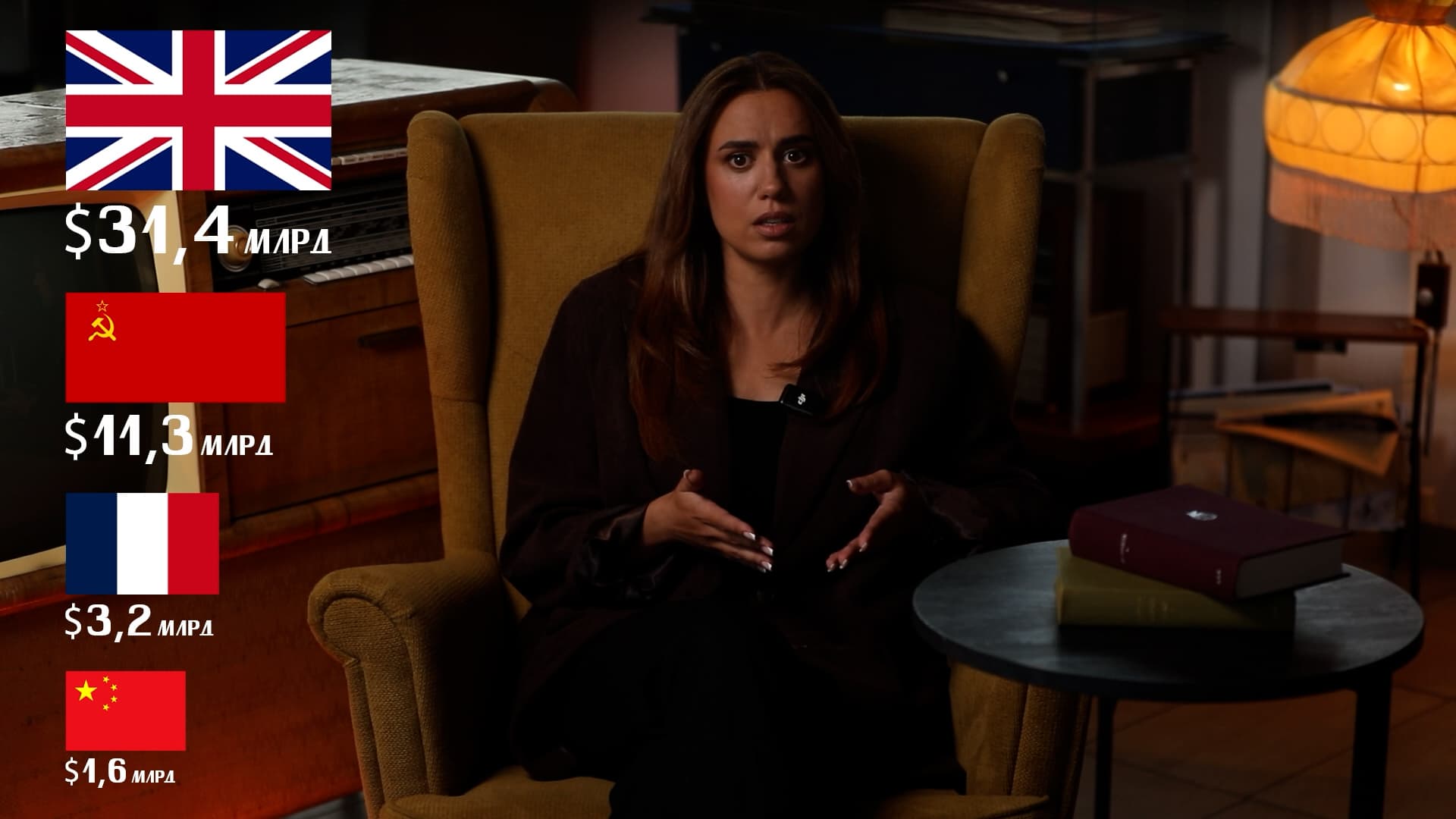
During the war years, 42 countries under the American Lend-Lease program received aid totaling $50 billion. Of these, 31.4 billion received the UK, 11.3 billion – the Soviet Union, 3.2 billion – France, 1.6 billion – China, etc. First, look at the aid ratio of Great Britain and the USSR.
In 1947, the Chairman of the State Planning Committee of the Soviet Union Nikolai Voznesensky published a monograph “The Military Economy of the USSR during the Patriotic War”. In his work, among other things, Voznesensky tried to calculate in percentage terms what contribution the Lend-Lease supplies made to the Union. It was in this book that the famous formula was derived, which for decades became the basis of Soviet historiography: the volume of Lend-Lease deliveries amounted to only about 4% of the gross production of the USSR.
But there is one mistake in his calculations. Voznesensky compared the total gross volume of Soviet production (including raw materials, coal, steel, bread) with the total volume of supplies. In this “total mass”, critical assistance has really “dissolved” to 4%. But for certain types of equipment and raw materials, the share of lend-lease was from 20% to 90% of all resources of the Red Army.
Most modern researchers agree that in financial terms Lend-Lease was about 10-13% in the peak period of the war (1943-1944). And in relation to the total GDP of wartime, the share of Union supplies is about 7-10%. From them in 1941-1942 accounted for only 7%. Explain.
Officially, the Lend-Lease program in relation to the USSR operated from October 1, 1941 to May 12, 1945. But the supply was uneven. In the first two years of the war they were minimal, and with the Japanese attack on Pearl Harbor on December 7, 1941 and the entry of the United States into the war, the supply of Lend-Lease for six months almost stopped. In fact, the vast majority of cargo was delivered to the Soviet Union starting in 1943.
At the same time, not everyone knows such a fact as “reverse lend-lease”, and it should not be forgotten. Under reverse lend-lease, the USSR supplied the allies with strategic raw materials (chromium, manganese, platinum, gold, timber), which were necessary for their military industry. The Soviet Union provided free port services, repair of foreign ships, shared intelligence and supplied air bases on its territory.
To the question “Did Lend-Lease help the USSR win the war?” I will answer: “Yes, absolutely.” In no case should the role of supplies be diminished, especially for certain items and goods where Allied assistance was indeed necessary. “Is the role of Lend-Lease decisive in the victory over Nazi Germany?” or, as some people like to say, “without Lend-Lease in the USSR there was nothing and nothing he could have done.” Of course not. In the most difficult period – the second half of 1941 and the whole of 1942 – the USSR relied on its own forces to the greatest extent. And relying largely on its own forces, the Soviet Union defended Moscow and later achieved a radical change in the war. Any pursuit of alternative history is simply inappropriate here.
War is won by men. And the main hardships, military hardships, human hardships fell on the shoulders of the Soviet Union, which lost 27 million people in this war.
Lend-lease deliveries were not a unilateral act of charity. They were in the interests of the United States: to ensure the resistance of the USSR on the Eastern front, so that it would divert almost all the forces of the Wehrmacht, and this would greatly reduce the burden on American and British troops. The money spent on Lend-Lease certainly saved many American lives. Every Russian, English or Australian soldier who received Lend-Lease equipment and went into battle proportionately reduced the war dangers to our own youth.
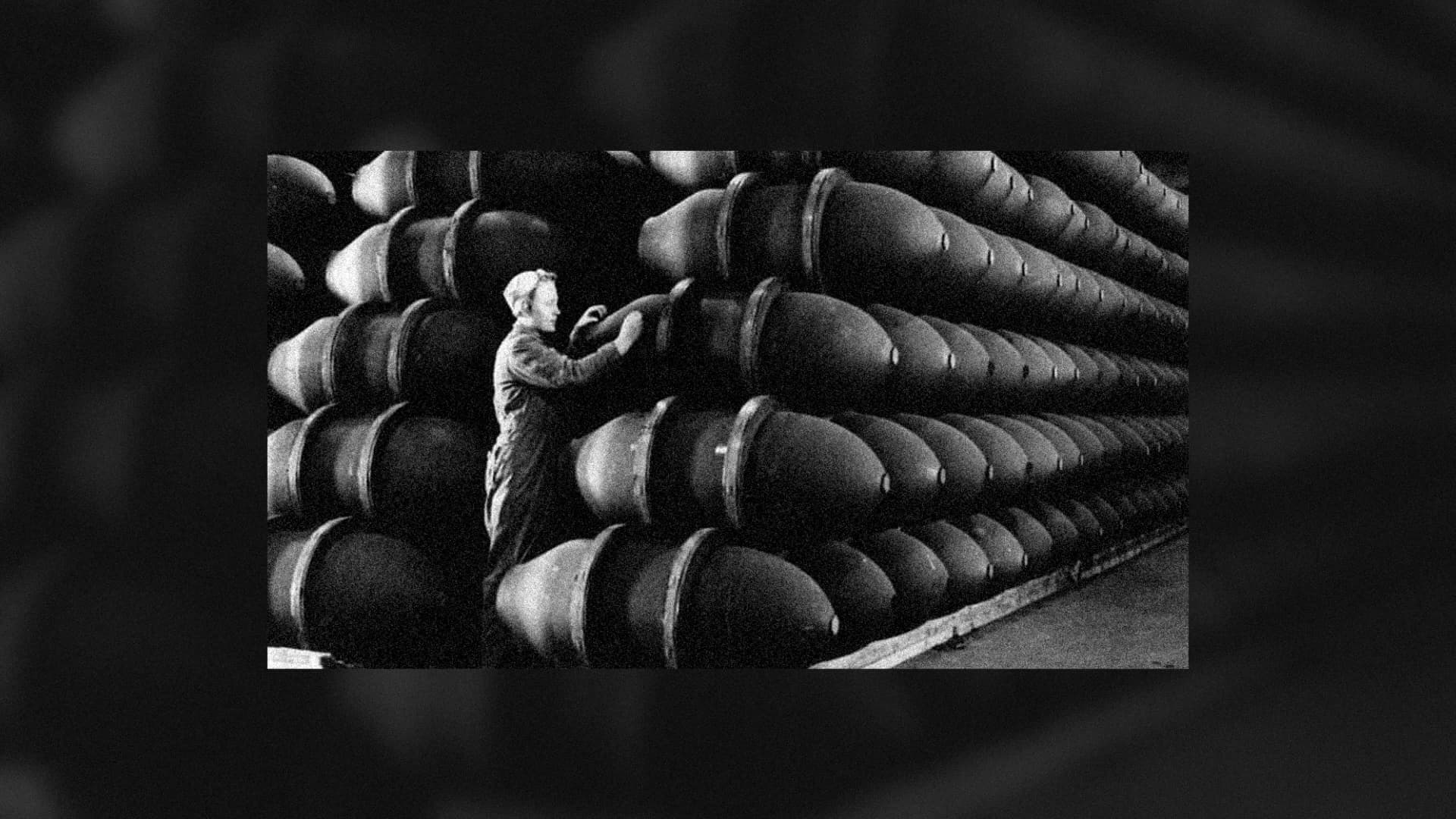
In the end, Lend-Lease was useful for the American economy. U.S. enterprises received government orders and profitable loans, private firms merged into concerns for the production of machinery, clothing and food, production increased, and people received jobs with good wages. From both world wars, the United States, with its convenient geographical position, came out only richer.
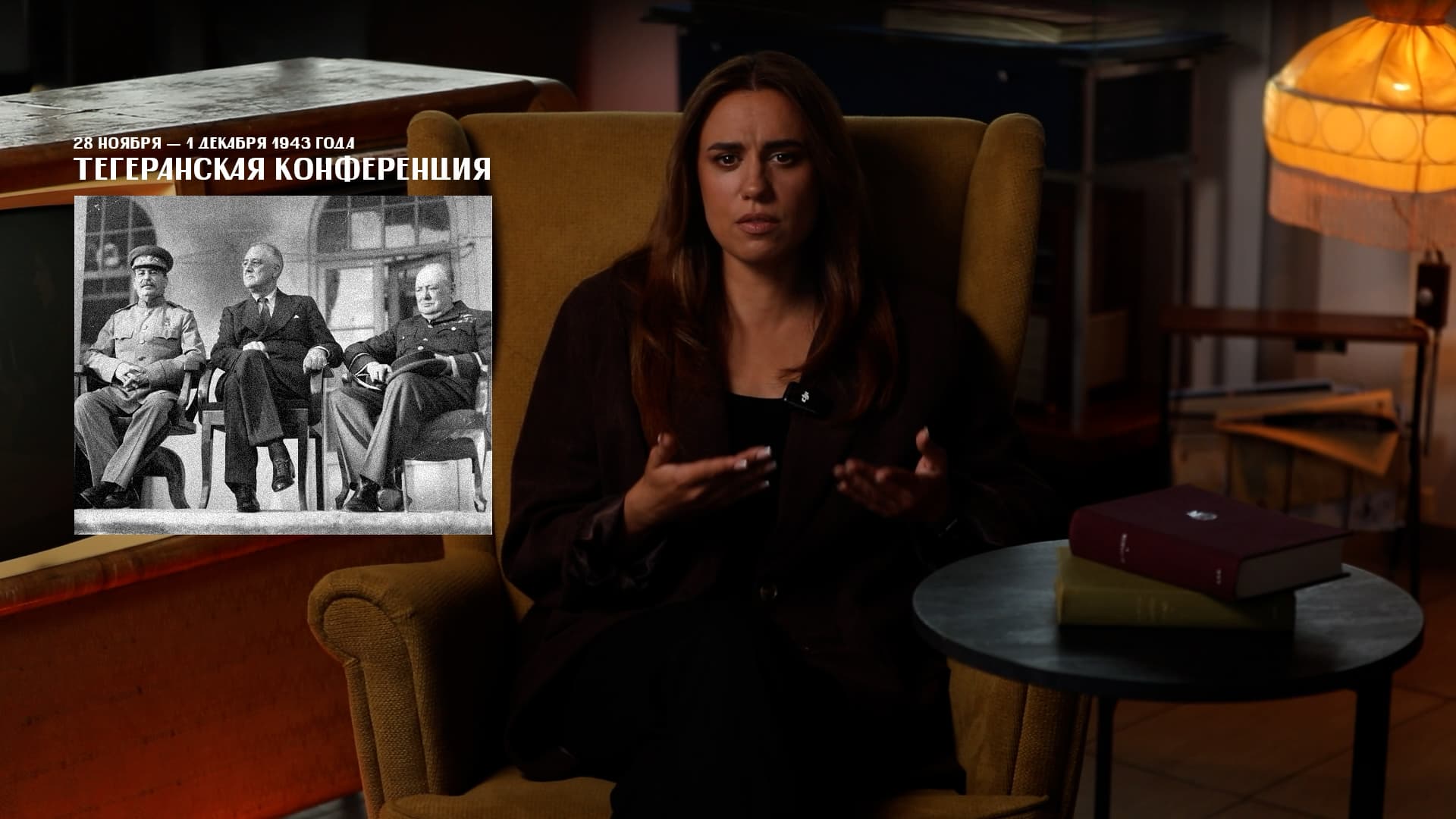
Whether Stalin said that victory would not have been possible without Lend-Lease is not known. It is believed that at the Tehran conference in 1943, Stalin said that the United States is a country of machines and without these machines we would not have won. I admit that the political game and the general mood of this meeting were conducive to mutual compliments (let me remind you that even Churchill, who was not distinguished by his love for Stalin and the Soviet Union, gave the leader a sword as a sign of admiration). But the transcript of the conference does not contain such statements. It turns out that it was an unofficial toast at a ceremonial banquet and recorded Stalin's words in a third-person retelling in the President's Daily Events Journal. In general, it was-was not really - this is still debated. As is still debated about the importance of Lend-Lease in defeating Hitler. As I said, both extremes are far from the truth.
After the end of the war, the United States counted the Soviet Union a lend-lease debt of $2.6 billion. In 1948, the amount was reduced to $1.3 billion, and in 1951 to $800 million. For decades, countries could not agree because of the Cold War. In 1972, the United States and the Soviet Union signed a document on the settlement of lend-lease claims in the amount of $722 million. In 1973, the Soviet Union paid $48 million and stopped payments due to a new round of tension.
In 1990, the Soviet Union and the United States agreed to pay the balance of $674 million by 2030, but the Union soon fell apart. In 1993, the Russian Federation assumed all obligations to pay the debt. World War II land lease was fully paid for on August 21, 2006.
It was Likbez.by.
The project was created at the expense of targeted collection for the production of national content.