Ryzhenkov: Europeans are taking steps to resume relations with Belarus
Belarus does not mind building a dialogue with EU countries, but it does not stand with an outstretched hand. Belarusian Foreign Minister Maxim Ryzhenkov said in...
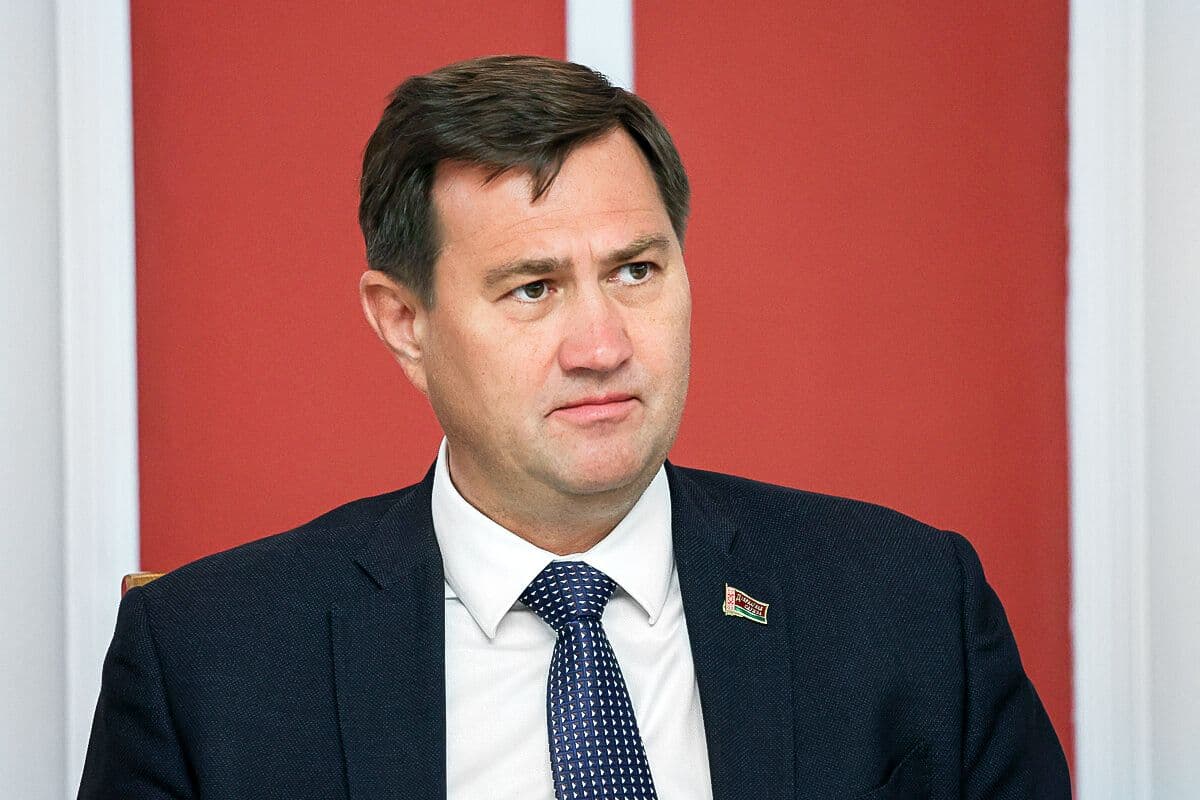
Belarus does not mind building a dialogue with EU countries, but it does not stand with an outstretched hand. Belarusian Foreign Minister Maxim Ryzhenkov said this in an interview with RIA Novosti, the text of which is published on the website of the Belarusian Foreign Ministry, writes sb.by.
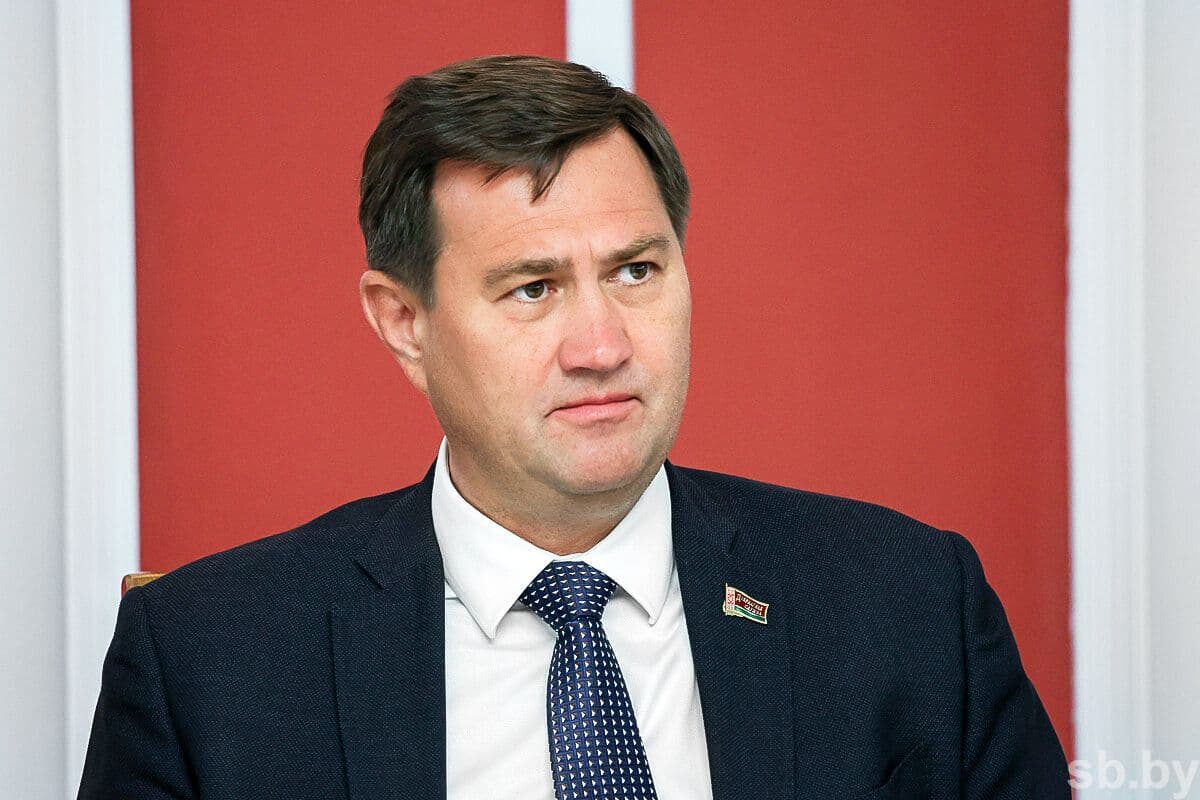
According to Maxim Ryzhenkov, over the past few years, representatives of European countries have been unwilling to make contacts with Belarus and “have been hiding in all corners, trying to preserve some political face”:
- Because in 2020 it was easy: to put labels on the entire leadership of Belarus from the chairman of the district executive committee to the president. How do you get out of this? How do you explain to your voters why there has been a policy of isolationism for 6 years, and now you go to talk with these “servants of the dictator”? Therefore, it is much more difficult for them than for us, because they blocked all channels of interaction. Within the framework of the European Union, this is cooperation at the border, on security issues, in trade, economic, political and even humanitarian terms. Now they're making those moves.
He stressed that Belarus does not mind building a dialogue with EU countries, but does not stand with an outstretched hand:
- We do not always give information about these contacts in the media, as the Russian side probably does. Because diplomacy sometimes requires silence. Our partners are very sensitive in these matters. I’m afraid someone will know that I’ve met someone. So we don't advertise it much, but we have contacts.
Maxim Ryzhenkov noted that, in general, interest in Belarus is awakening, and this applies to key EU countries. He commented on the meetings with EU representatives held on the sidelines of the UN General Assembly in New York:
- Two meetings with representatives of the European Union can be called a recent innovation in our foreign policy. Not because we didn’t want to, but because the Europeans, for some reason, are ripe for them. Ryzhenkov: we need to think a hundred times whether we need Baltic ports to export Belarusian goods