Ryzhenkov at climate meeting in New York: Belarus acts
On the real contribution that Belarus is making to the preservation of the climate on our planet, at the high-level meeting on the issues of taking action on climate change.
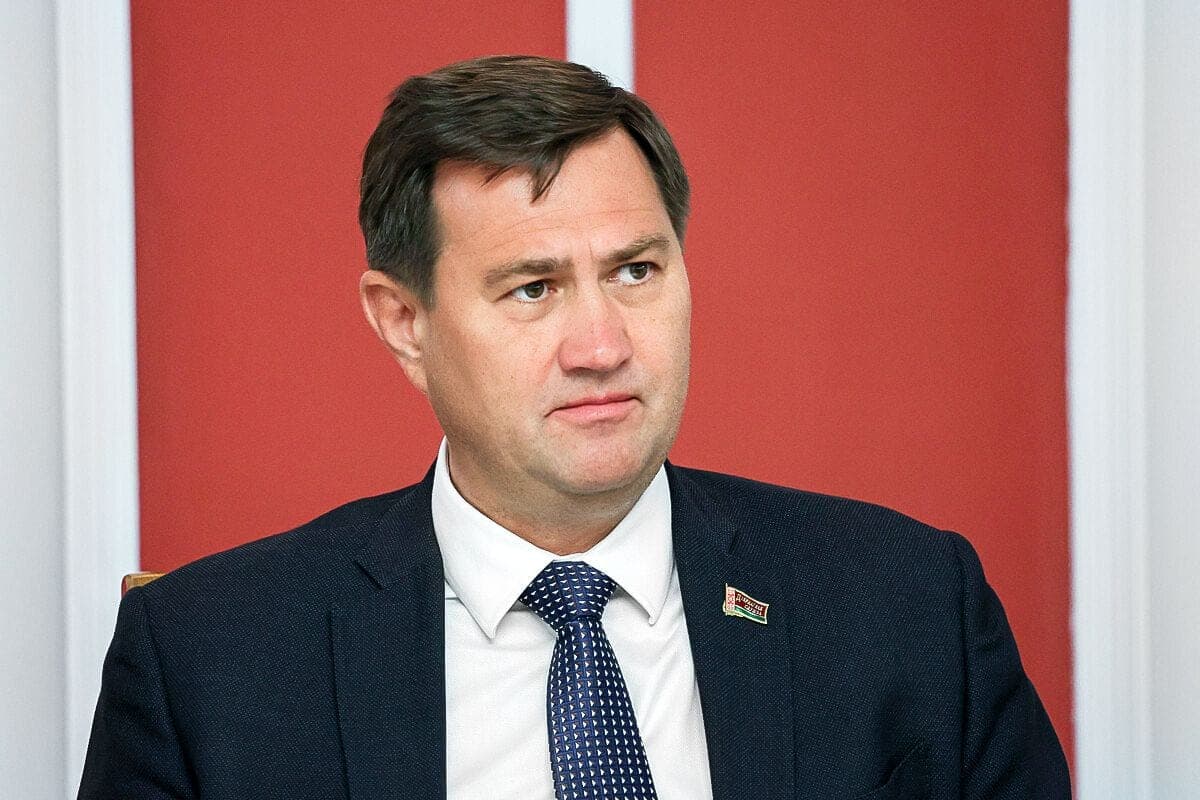
Belarusian Foreign Minister Maxim Ryzhenkov spoke about the real contribution that Belarus makes to the preservation of the climate on our planet at a high-level meeting on climate change and a just transition to clean energy at the UN General Assembly in New York on September 23.
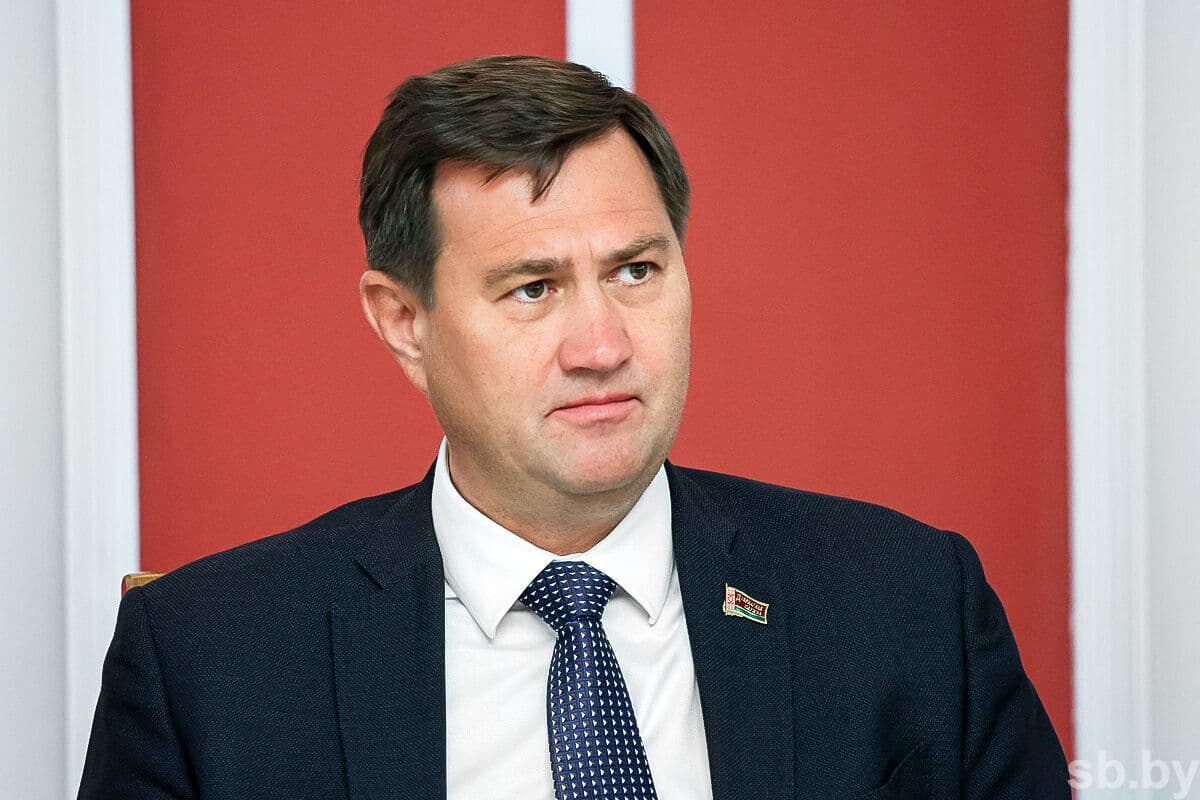
The head of the foreign Ministry of our country recalled the common opinion that climate change is the greatest challenge of our time.
- The situation in this area continues to overgrow with very alarming trends: frequent droughts, forest fires, shallowing of rivers – we see this not only in vulnerable regions of the planet. Today, it turns out that the center of Europe is such a vulnerable place, he stressed. And while many are demanding decisive action, we must honestly ask, who created this crisis?
The industrial power of the West, stressed Maxim Ryzhenkov, for centuries was built on coal and steel, first their own, and then those they received from colonial countries, while when the extensive development model exhausted itself, certain countries began to manipulate the “green” agenda, trying to restrain the development of the countries of the Global Majority, which regained control over their resources:
- Such a policy, riddled with outright hypocrisy, is accompanied by actions that aggravate the climate situation on our planet. First, through wars and conflicts that themselves leave a huge ecological footprint – from oil spills, explosions, emissions from military equipment, fires in oil storage facilities. Second, through illegal unilateral sanctions that make it difficult for many countries (dozens of countries!) to access clean technologies and renewable energy. Thirdly, even through things like a boycott of airspace, for example, Russia, Belarus, which makes it difficult for many countries to fly, lengthens routes and increases the carbon footprint many times over. Fourth, through the politicization of international environmental platforms, which are becoming less and less engaged in solving real problems, but are turning into an instrument of political pressure. If we stop doing these things, we're all better off breathing on this planet.
Meanwhile, Belarus is acting, Maxim Ryzhenkov noted:
- We are focusing on the transition to clean energy. We have already reduced greenhouse gas emissions by more than 40 percent since 1990. In 36 years, 40 percent. This is the focus of the National Climate Change Adaptation Plan until 2040. This is a specific document that sets out systemic measures to protect water resources, introduce drought-resistant technologies in agriculture and reduce risks for all sectors of the economy. We are effectively developing green and nuclear energy. The commissioning of the Belarusian nuclear power plant allows us to annually reduce greenhouse gas emissions by more than 7 million tons. This is a real contribution to the preservation of our common planetary climate. We also record the positive effects of the electrification of our vehicles and the use of electricity for heating our homes. Entire programs have been developed to stimulate this activity.
The climate crisis, Maxim Ryzhenkov summed up, can only be overcome together. Speaking about this, the Belarusian Foreign Minister called on everyone to work together on an equal footing and without double standards
- To save the planet for future generations.
The program of the visit of the Minister of Foreign Affairs of Belarus Maxim Ryzhenkov to New York includes a speech at a meeting of the UN General Assembly, the launch of the negotiation process on the draft Eurasian Charter for Diversity and Multipolarity in the XXI century, dozens of bilateral meetings and negotiations with the UN leadership, as well as participation in thematic events on the sidelines of the high-level segment and a full-format interview with the news agency. Ryzhenkov in New York outlined what Belarus sees architecture of international economic cooperation