Charles de Gaulle: 20 facts about the most famous Frenchman of the XX century
He is called the most famous Frenchman. General, politician, president and author of the Constitution of the Fifth Republic. This is Charles de Gaulle. Today 20 facts about one of the key figures of the XX century
He is called the most famous Frenchman. General, politician, president and author of the Constitution of the Fifth Republic. A man whose death the whole country mourned, but was buried without state honors. He was loved and hated, and 23 assassination attempts were made on him. But everyone, even his opponents, admits that he saved France and restored it to great power status. This is Charles de Gaulle. Today 20 facts about one of the key figures of the XX century.
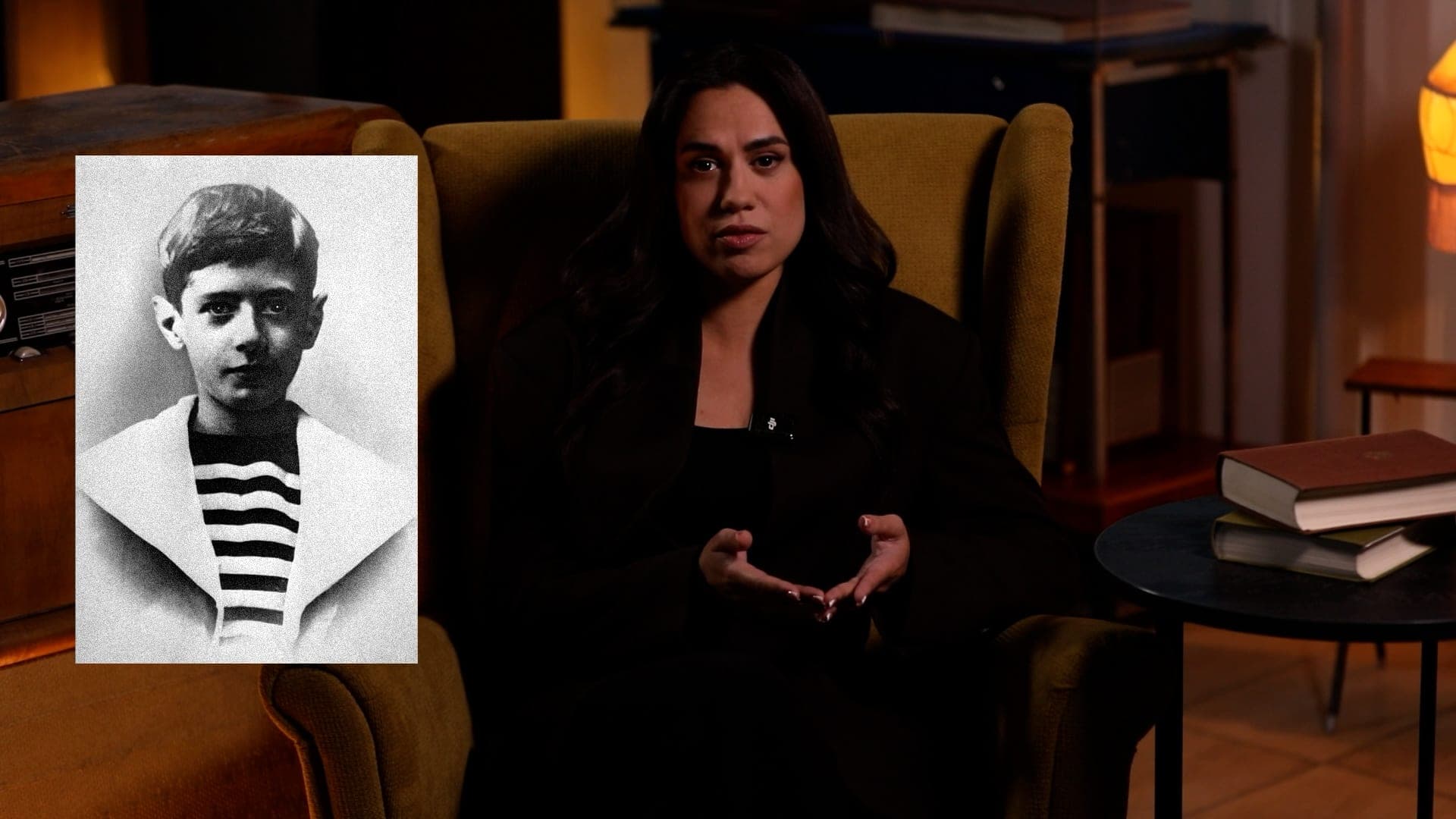
Charles Andre Joseph Maria de Gaulle was born on November 22, 1890 in the city of Lille in northern France in a poor aristocratic family. His father Henri de Gaulle was a professor of philosophy and literature at the Jesuit school, and his mother, Jeanne Mayot, came from a bourgeois family of textile manufacturers. Charles was the third of five children. A strict patriotic and Catholic atmosphere reigned in the house: there was a lot of reading, discussing politics and history. It was during this period that de Gaulle developed an unwavering belief that France was destined to play a special role.
In 1909, de Gaulle entered the prestigious military academy of Saint-Cyr. He studied without much diligence, did not like routine and drill. His teachers considered him a capable but arrogant guy, prone to independent judgment. At the same time, he was well versed in tactics and military history. In 1912, de Gaulle graduated from the academy as the 13th of 210 graduates and was promoted to the 33rd Infantry Regiment under Colonel Philippe Pétain (who would later lead the Vichy collaborationist government). De Gaulle expected an ordinary officer's career, but two years later the First World War began.
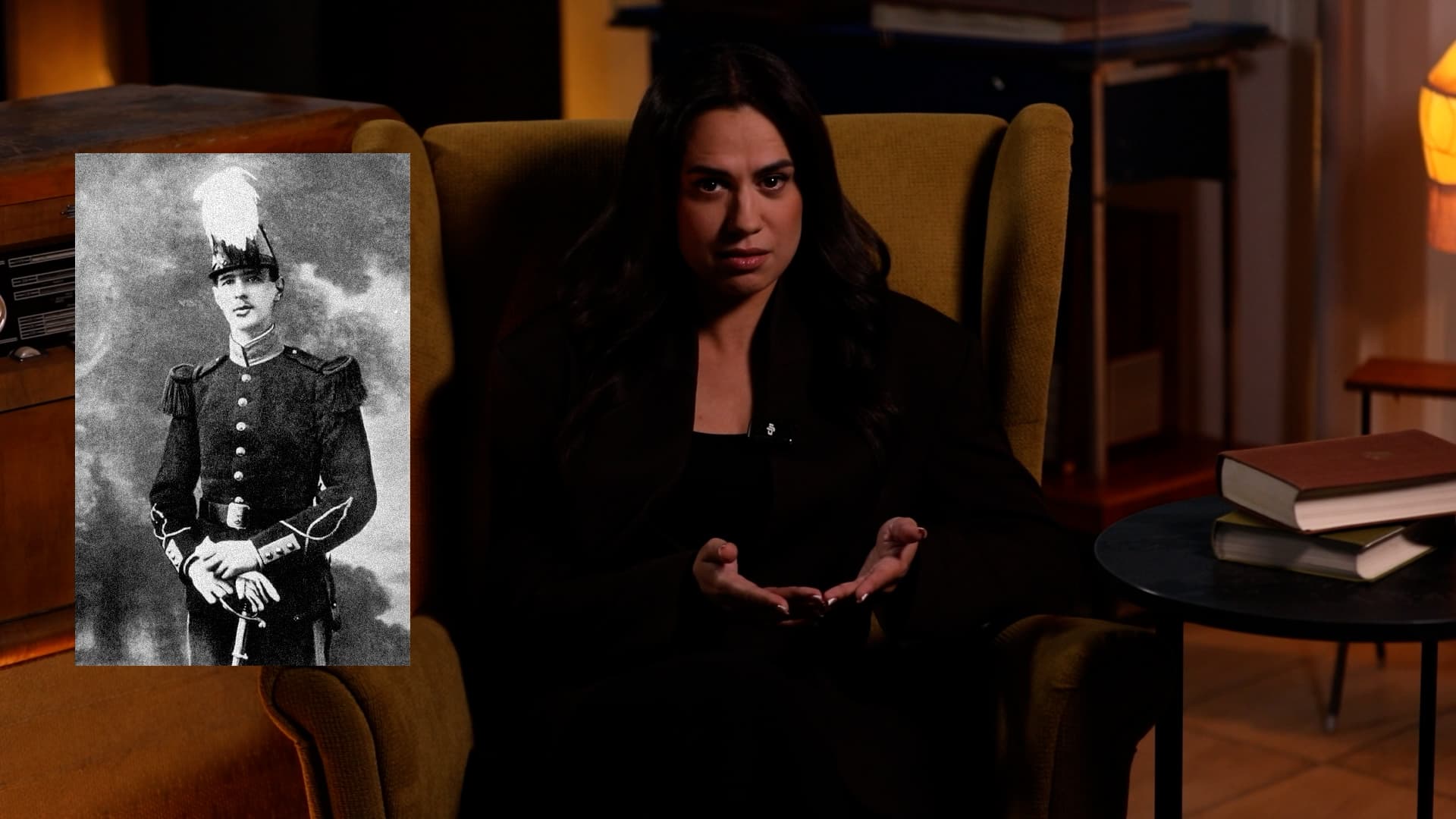
From August 1914 he fought on the northeastern front as part of the 5th Army. During the war he was wounded three times and participated in the Battle of Verdun. He was considered dead and even posthumously awarded the Legion of Honor, but in fact he was captured. During his detention, he tried to escape six times.
While in German captivity, Charles de Gaulle met a young Russian staff captain, the future Marshal of the Soviet Union Mikhail Tukhachevsky. They were very different, but equally passionate about military affairs, long debated about the future of aviation, tanks and maneuver warfare.
After his release in December 1918, de Gaulle continued his military career. He served in the French military mission in Poland, trained local officers during the Soviet-Polish war. Then he returned to France, in 1924 he graduated from the Higher Military School and became an assistant to Marshal Pétain in the Higher Military Council. Petain de Gaulle was very much appreciated, but a strategic conflict soon arose between them. Petain relied on static defense and the construction of the Maginot line. De Gaulle insisted on mobile warfare using tank formations. He put his ideas on paper and in 1934 published the book For a Professional Army, but the conservative French leadership considered its provisions too radical. The book, by the way, was translated into German and Russian, it was studied by the German military commander Heinz Guderian, it was also published in the USSR on behalf of Marshal Tukhachevsky.
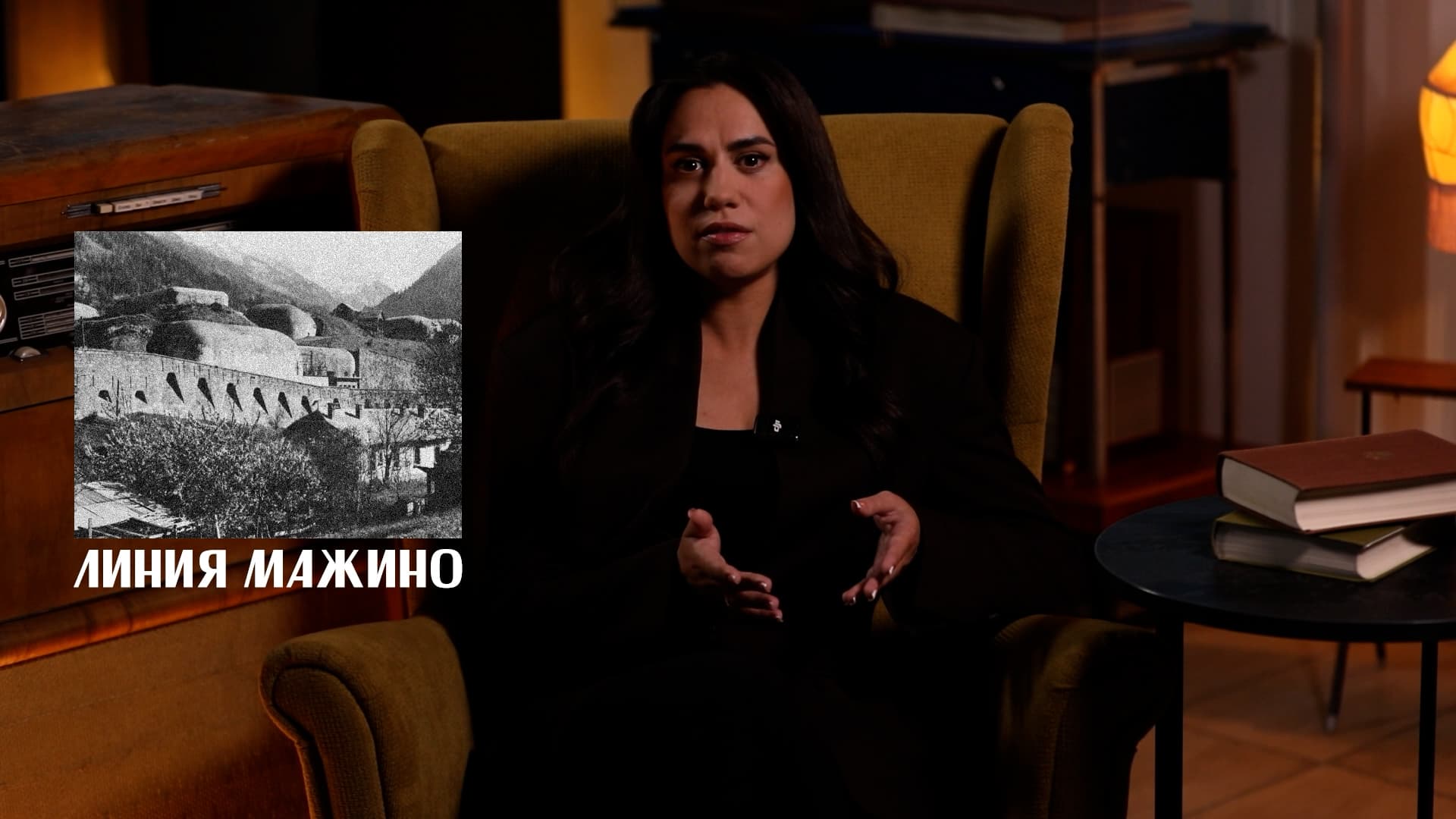
In May 1940, Germany invaded France. The Wehrmacht applied the strategy of mobile maneuver warfare, which de Gaulle predicted. The French army was not ready for this. At that time, the 49-year-old colonel commanded the hastily formed 4th Panzer Division, successfully defended and was one of those who counterattacked, but the French troops as a whole were defeated.
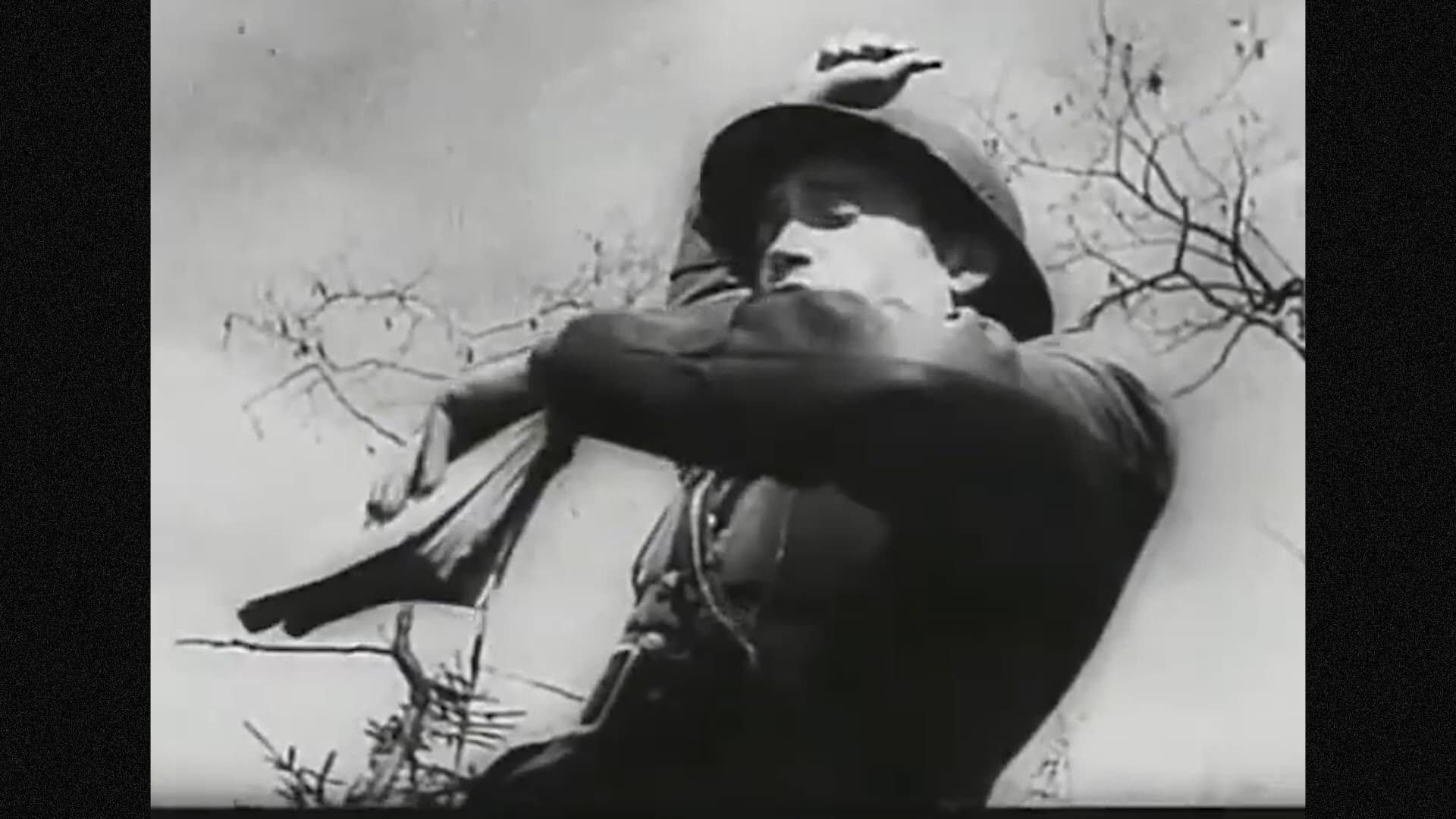
Charles de Gaulle was presented for promotion, on June 1, he officially took office as interim brigadier general, and on June 6, Prime Minister Paul Reynaud introduced him to the government as deputy minister of national defense, but this did not help. Three weeks later, France surrendered and de Gaulle flew to London.
On June 18, 1940, de Gaulle, who was in London, spoke on BBC Radio London. This appeal, known as the June 18 Appeal, is considered the beginning of the Free France movement.
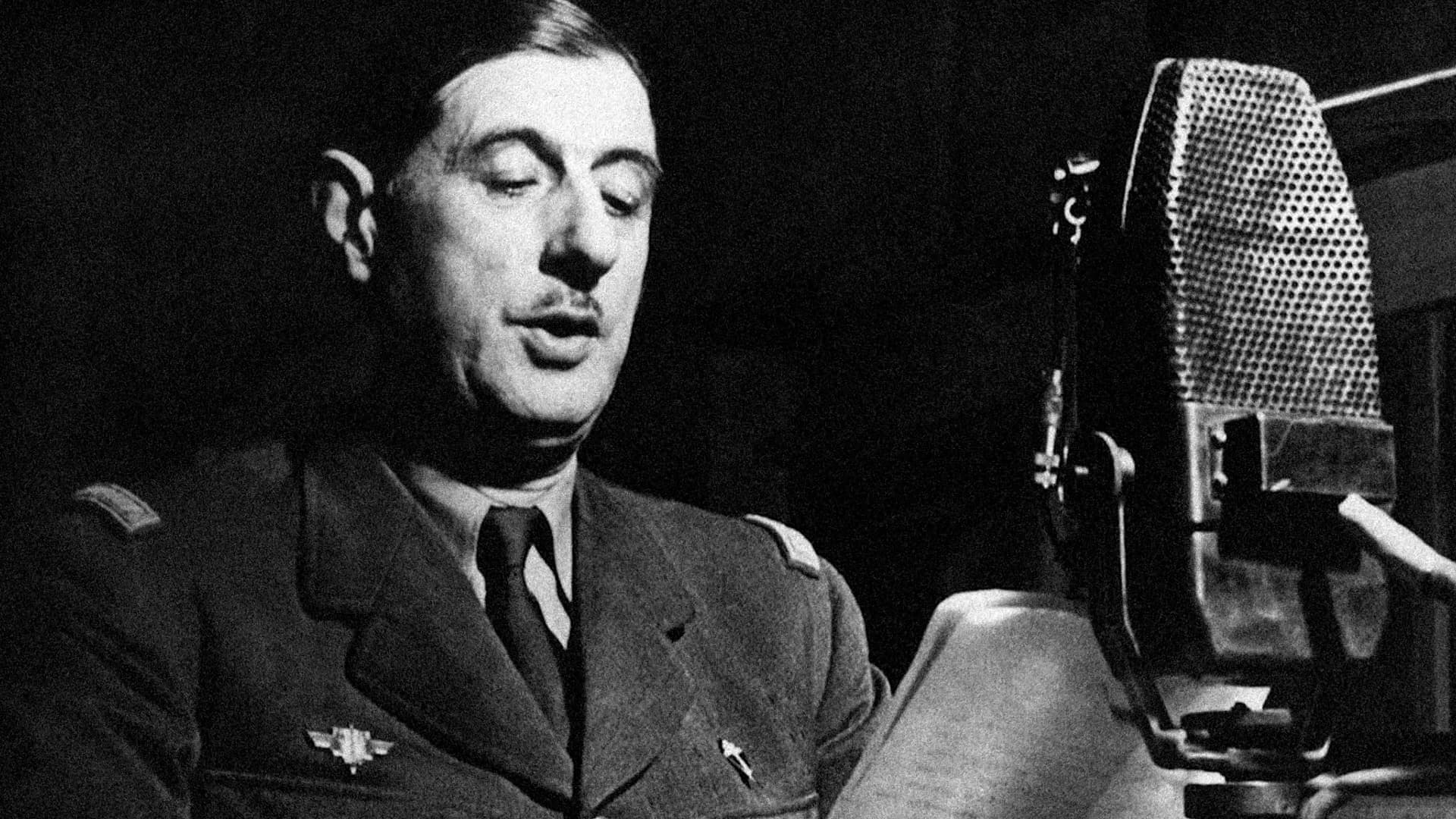
Enemy power: mechanical, land and air flood and flood us. Countless tanks, planes, German tactics are forcing us to retreat. But has the last word already been said? Should hope disappear? Is this defeat final? Nope! France is not alone! The outcome of this war is not decided by the battle for France. This is a world war. I, General de Gaulle, now in London, call upon the French officers and soldiers who are in British territory or who will arrive there, with or without arms, and call upon the engineers and armaments workers who are in British territory or who will arrive there to contact me. Whatever happens, the flame of the French resistance must not be extinguished or extinguished. Tomorrow, as today, I will be speaking on Radio London.
It was not recorded that day, simply because it was considered insignificant. We did it only four days later. In 2005, UNESCO included the speech in the Memory of the World register.
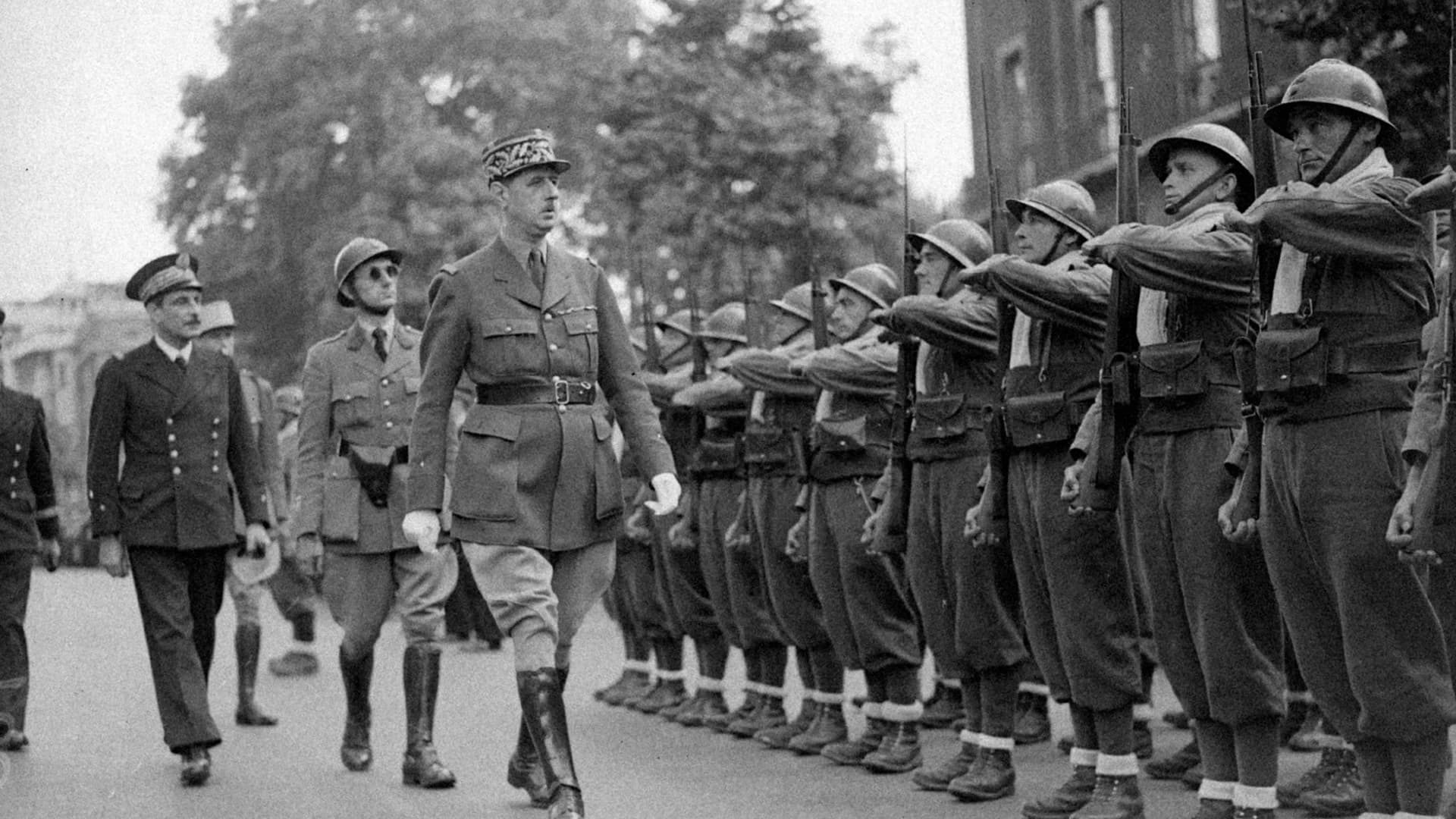
De Gaulle's relations with the Western Allies were strained. Winston Churchill supported the general in London, recognized him as leader of Free France and financed his movement, but quickly tired of his intransigence. Personal meetings between Churchill and de Gaulle often ended in violent quarrels. Relations with Franklin Roosevelt were terrible: the US president called the general a lunatic, a gangster and even a fascist. He distrusted de Gaulle, suspected him of dictatorial ambitions, and bet on other leaders, including Petain, who headed the Vichy government.
After the liberation of France, the Americans wanted to establish their own military administration in the country and even printed the occupation money, but de Gaulle severely suppressed these attempts and defended the sovereignty of the country. He was convinced that the Anglo-Saxons wanted to weaken the French colonial empire, and even more that France should be completely independent of Washington and London.
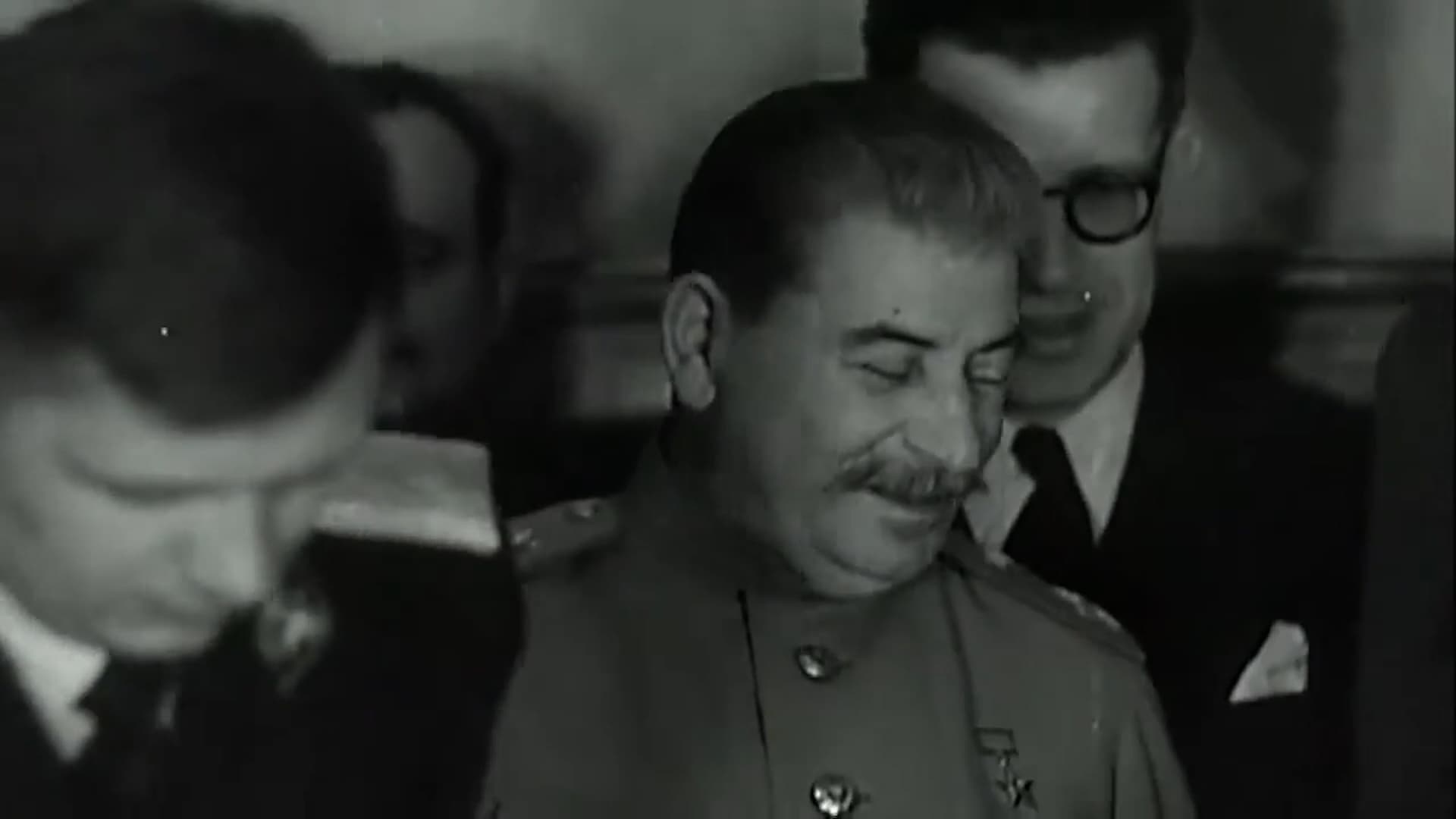
On the contrary, de Gaulle’s relationship with Stalin was based on deep mutual respect and pragmatism. In December 1944, the general personally arrived in Moscow to sign the Soviet-French treaty of alliance. For de Gaulle, whom the leaders of the United States and Britain did not take seriously for a long time, Stalin became the first leader of a great power to recognize him as the legitimate head of France. At the negotiations in the Kremlin, de Gaulle admired the iron will of the Soviet leader, and Stalin appreciated the French general for not going to yield to the Anglo-Saxons and defending the interests of his own country.
Charles de Gaulle was great in the truest sense of the word. His height was 196 centimeters. To understand the scale: the average height of men in Europe in the early XX century was about 168-170 centimeters. He truly stood taller than his head. Even in the military academy, and later in the press, he was nicknamed “Big (or long) asparagus”. The French politician and associate of de Gaulle, Jacques Soustel, wrote about him as follows:
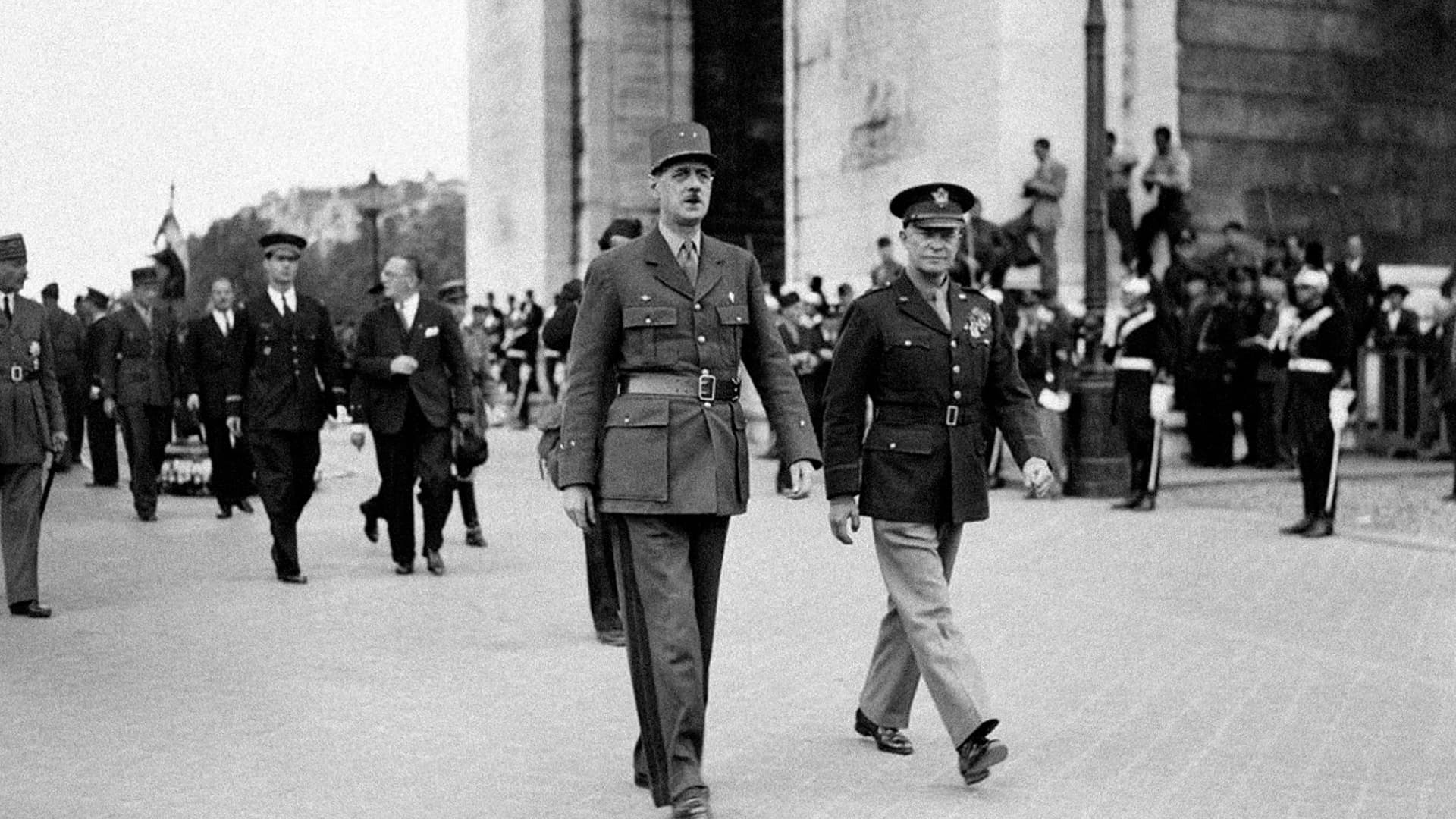
Very tall, lean, monumental, with a long nose over small tendrils, a slightly running chin, a domineering look, he seemed much younger than fifty. Dressed in a khaki uniform and headdress of the same color, decorated with two stars of the brigadier general, he walked always with a wide step, usually holding his hands at the seams. He spoke slowly, harshly, sometimes with sarcasm. His memory was amazing. He merely smelt the power of the monarch, and now more than ever he justified the epithet “king in exile.”.
After the liberation of France in 1944, de Gaulle headed the Provisional Government. During the same period, the traditional party system with a strong parliament was revived. The general believed that a parliamentary republic with a weak president and strong parties could not ensure stability, it simply would not work, and in 1946 he resigned. De Gaulle retired from politics, lived on his estate in Colombe, laid out solitaires and wrote memoirs. Until France was on the brink of civil war. Algeria, which was formally considered not a colony but part of France, rebelled. The Algerian nationalists demanded independence, the French settlers – the “black-legged” – demanded the preservation of French Algeria. The army, which was fighting the rebels, refused to obey Paris, and there was a real threat of a military coup on the continent itself.
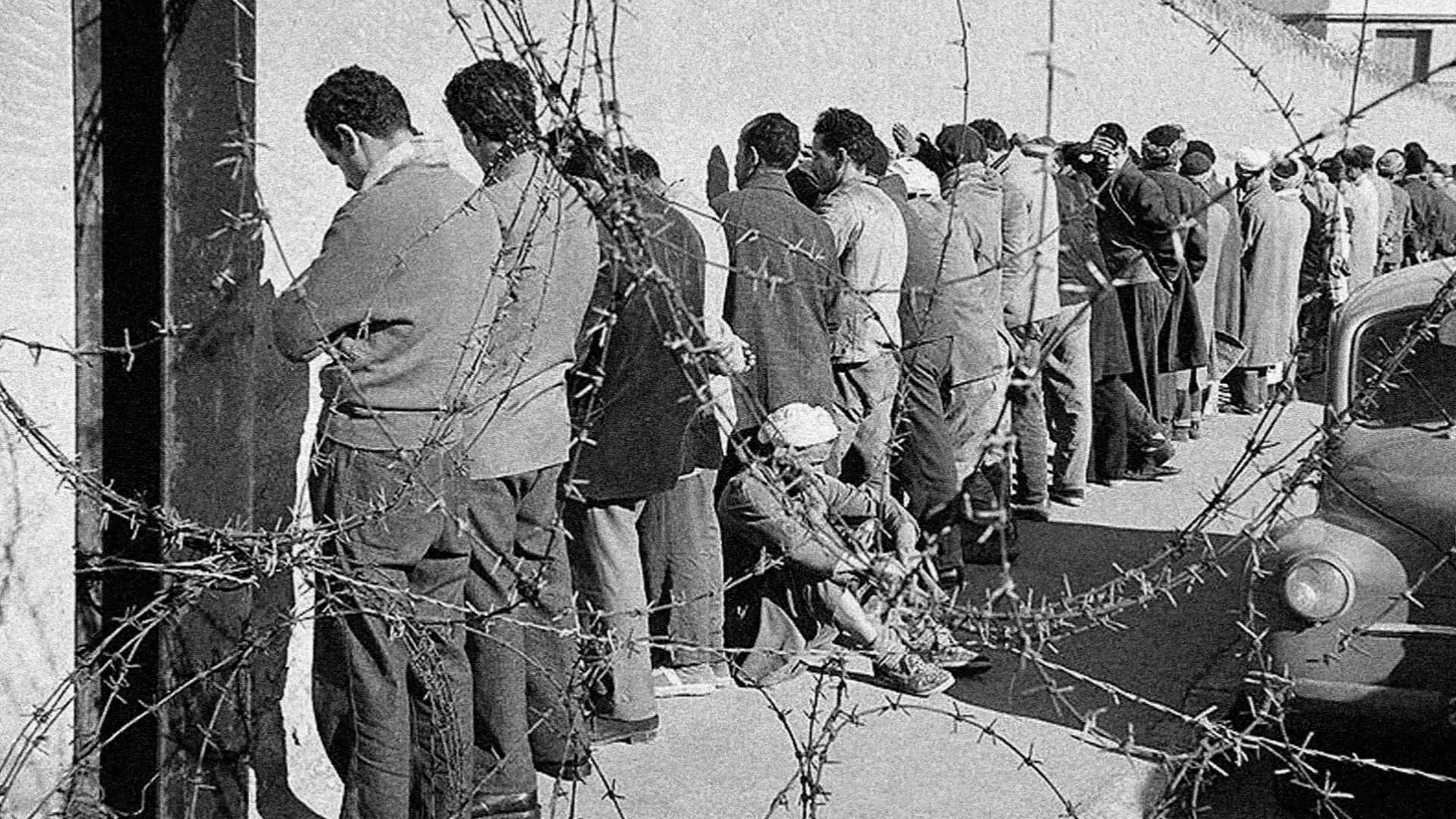
Then the authorities turned to de Gaulle – the only person who enjoyed the authority of both the army and the people. De Gaulle agreed, but on the condition that the state system in France should change, that is, a new constitution should be drafted. On June 1, 1958, the parliament gave him the authority, with the condition that the new constitution be approved by referendum.
In a referendum on September 28, 1958, 79% of the French supported the new Constitution, thus the Fifth Republic was born, and de Gaulle became its first president. The new law radically strengthened the presidential power: the head of state received the right to appoint a prime minister, dissolve the National Assembly and impose a state of emergency.
But Algeria remained the main problem. In 1959, de Gaulle recognized Algeria’s right to self-determination. The far right was furious: street riots broke out in 1960, and in 1961 the generals staged a putsch that de Gaulle suppressed. In 1962, the Evian Accords sealed Algeria’s independence, after which more than a million French settlers were forced to flee to the metropolis.
Then all the same ultra-right created the terrorist organization SLA – the Secret Army, and began to organize terrorist attacks against supporters of independence of Algeria and against de Gaulle himself. The most famous assassination attempt occurred on August 22, 1962, in a suburb of Paris, when gunmen fired at a car in which de Gaulle was driving with his wife. More than 150 bullets were fired in their direction (according to some sources, 187), 14 of them holed the body. But no one was seriously hurt.
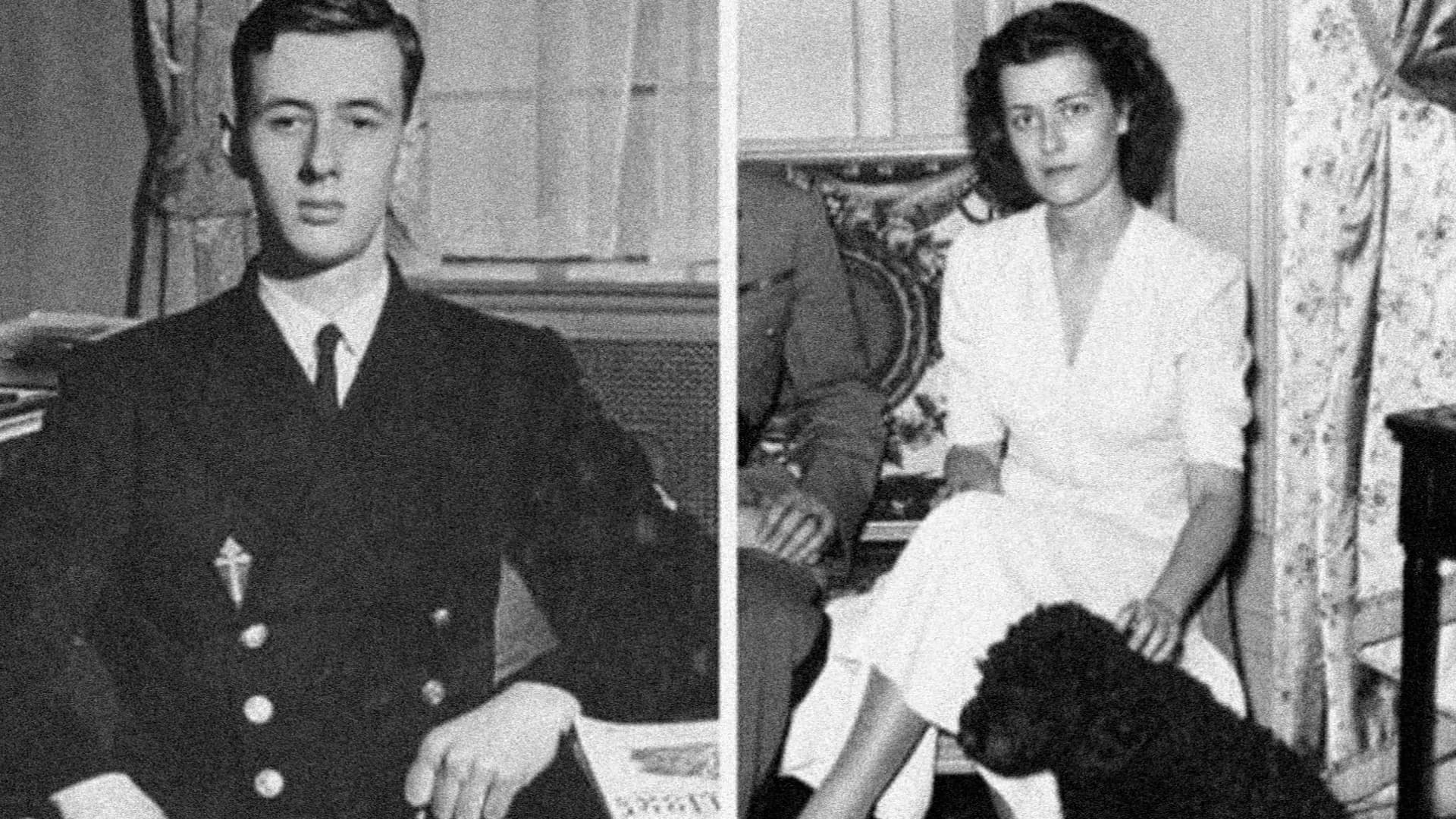
Back in 1921, de Gaulle married Yvonne Vandra, their union was quiet and very strong, it lasted half a century. Yvonne avoided publicity and devoted herself entirely to her family. The couple had three children: Philip, Elizabeth and Anna. The youngest daughter, Anna, was born with Down syndrome. De Gaulle simply adored his daughter, personally cared for her and considered his main joy. When Anna died of pneumonia in February 1948, the general uttered the phrase: "Now she's like everyone else." She was buried in a cemetery in Columba, and de Gaulle later bequeathed himself to be buried next to her.
Having solved the problem with Algeria, de Gaulle took on France itself: the country needed to regain its status as a great power. The first step was to build our own nuclear weapons. Without the atomic bomb, the country would always depend on the United States. On February 13, 1960, France successfully detonated its first nuclear weapon in the Sahara desert. De Gaulle personally supervised this project and hurried the designers. France will no longer be a second-class state. As a result, in just eight years, the country has created a full-fledged nuclear arsenal – from missiles to nuclear submarines.
In June 1966, at the height of the Cold War, de Gaulle made an official visit to the Soviet Union, visiting Moscow, Leningrad, and Volgograd. He was received with unprecedented honors: on Red Square he was greeted by huge crowds chanting “Viv de Gaulle!”. He laid a wreath at the Tomb of the Unknown Soldier, even visited the Baikonur Cosmodrome (the Soviet side did not want to show Western leaders a secret object, but de Gaulle did not refuse). A declaration of cooperation between the two countries was signed. De Gaulle’s visit was a diplomatic masterpiece, demonstrating to Washington that France could play a completely independent geopolitical game.
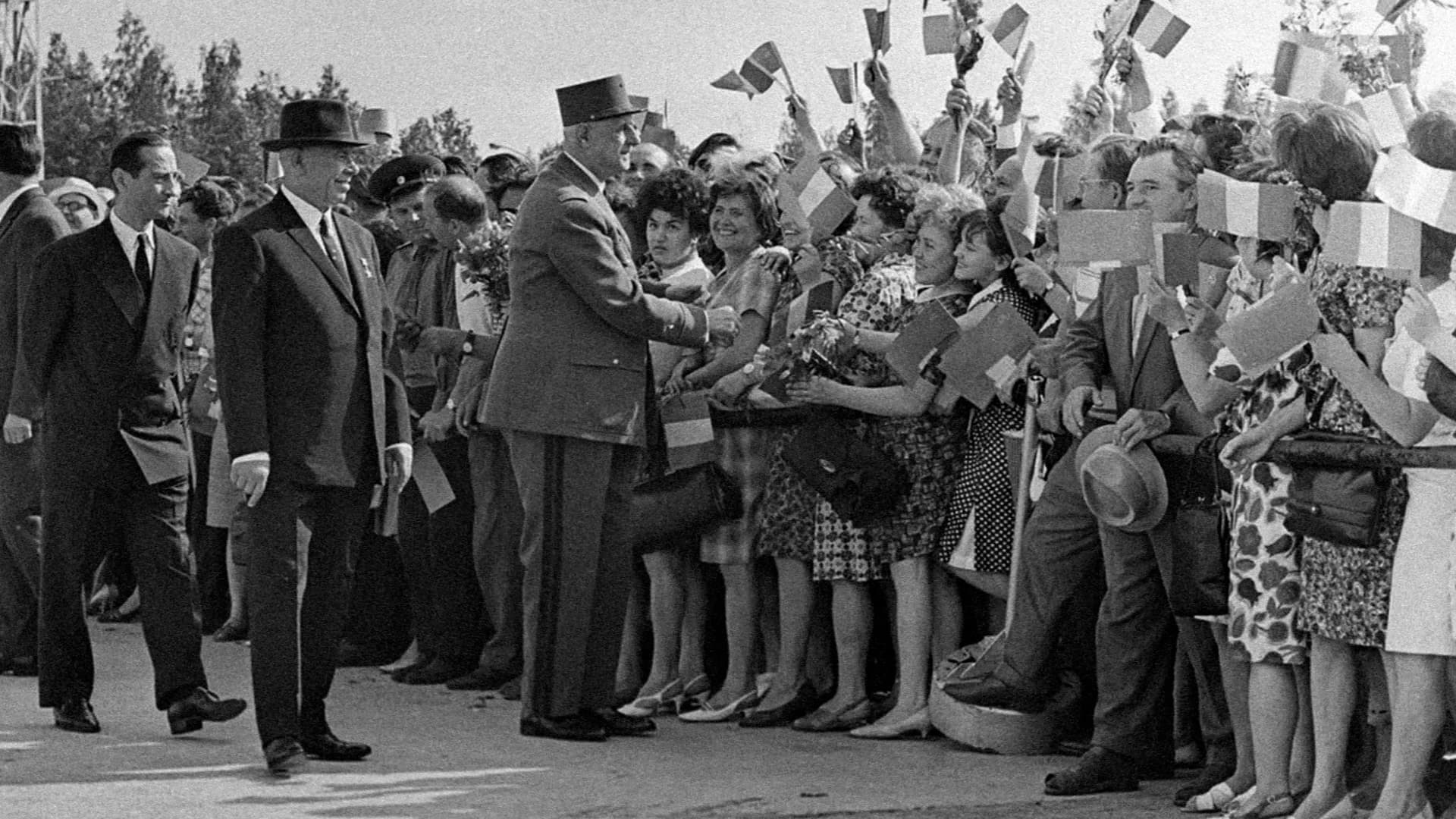
And, contrary to the pre-approved protocol, de Gaulle insisted on visiting the grave of Joseph Stalin at the Kremlin wall. Since the time of Khrushchev’s thaw, the name of the late Generalissimo in the USSR was under an unspoken ban, his body had already been removed from the Mausoleum, and on this place lay a simple stone slab without any bust. De Gaulle laid flowers and stood silently at the grave of the Generalissimo for twenty minutes.
A few months earlier, on March 7, 1966, de Gaulle had sent an official letter to US President Lyndon Johnson stating that the country was leaving the integrated military command of the North Atlantic Alliance. He demanded that all foreign military bases on French territory be dismantled within a year and that NATO headquarters be moved from Paris. France remained in the political bloc but became militarily independent.
And the abandonment of the dollar. On February 4, 1965, de Gaulle announced France's return to the gold standard. He called the dollar an “unnecessary privilege” that allows the US to cover its costs, including the Vietnam War, at the expense of the world. The Bank of France began to exchange dollars for gold from American vaults. Other countries followed, particularly Germany. De Gaulle’s move caused a global shortage of gold and precipitated the collapse of the Bretton Woods financial system. As a result, in 1971, the United States was forced to completely abandon the dollar peg to gold.
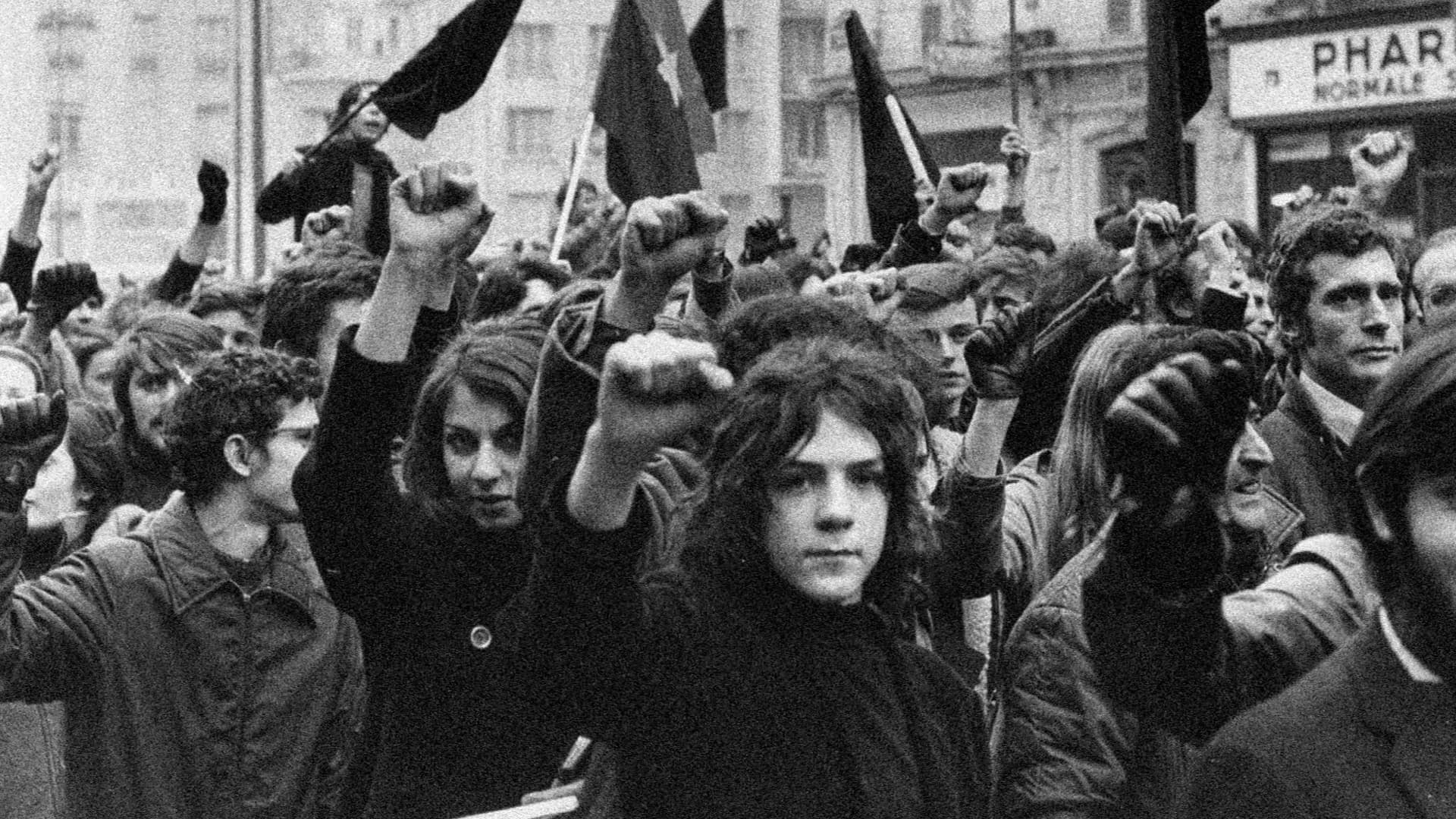
In May 1968, mass student and work demonstrations began in France. Students of the Sorbonne took to the streets with slogans against the consumer society, authoritarianism, outdated education system. Workers joined them and strikes began. De Gaulle, 77 at the time, found it difficult to understand the language of young people. The situation is out of control. On May 29, 1968, de Gaulle suddenly disappeared: he flew to the French military base in Baden-Baden, Germany, for consultations with the command. His absence lasted a few hours, but panic broke out in Paris - some thought he had escaped. Returning the next day, he spoke on the radio, announced the dissolution of the National Assembly and called early elections. His supporters won a record 358 seats out of 487. But it didn't help.
In the spring of 1969, de Gaulle submitted a referendum on Senate reform. He promised that if the French voted against it, he would resign. On April 27, 1969, 52.4% voted against it. On April 28, at midnight, without farewell speeches or addresses to the nation, de Gaulle signed a letter of resignation and soon left the Elysee Palace for good.
Charles de Gaulle died on November 9, 1970 at his home in Colombe. In the evening, laying out his favorite solitaire, the 79-year-old former President suddenly lost consciousness and a few minutes later died from rupture of an aortic aneurysm.
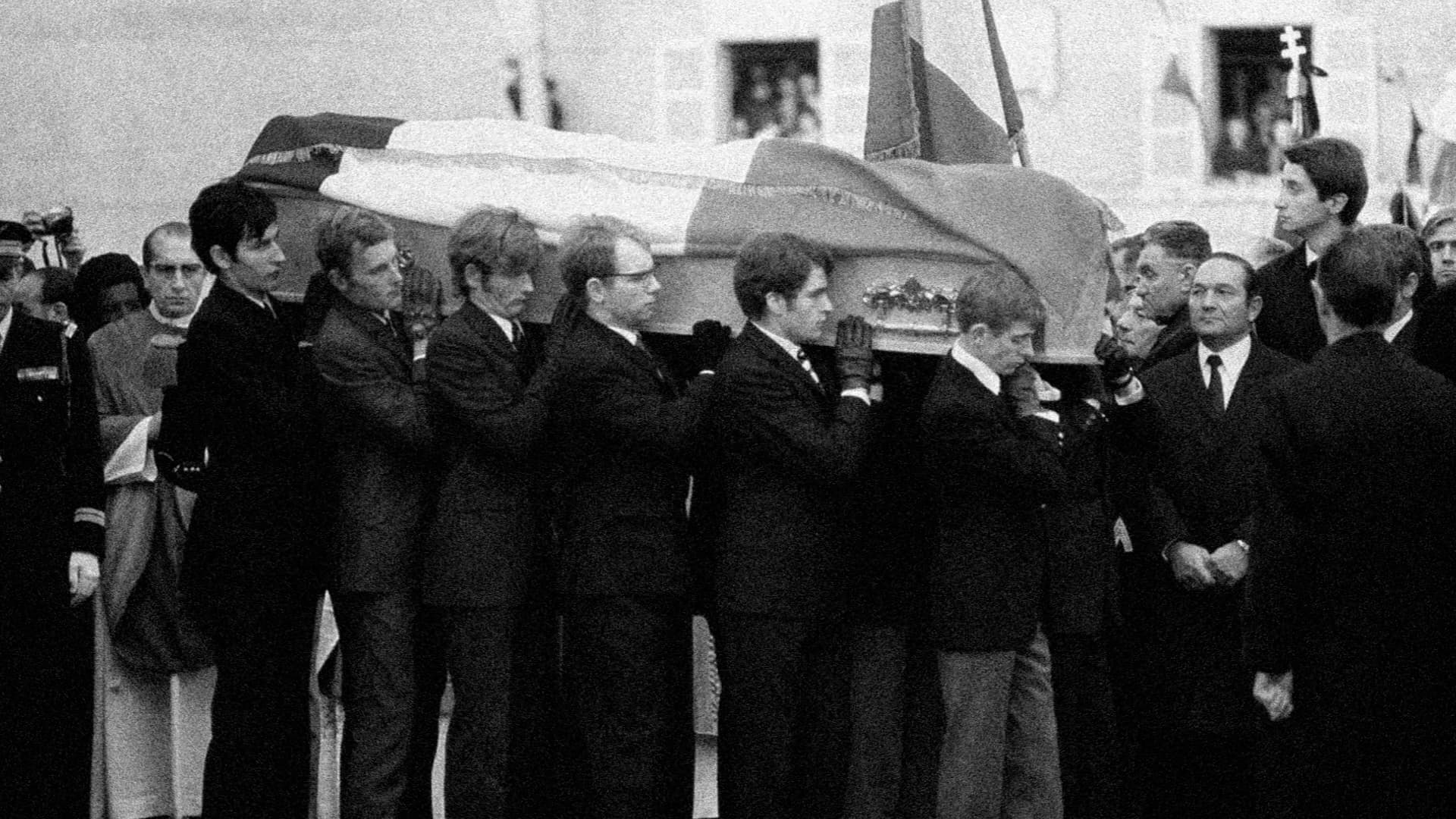
During his lifetime, the general left a will in which he forbade himself to arrange a state funeral, make speeches and collect orchestras. De Gaulle was buried in a local cemetery next to his beloved daughter Anna. On a simple white tombstone, only the name and dates of life are stamped: Charles de Gaulle. 1890-1970”.
He led France for eleven years, from 1958 to 1969. During this time, the Constitution of the Fifth Republic was adopted, which is still in force. A nuclear program was created to ensure the country's military independence. The Algerian War was ended, though at the cost of losing the colony. A monetary reform was carried out and an independent foreign policy was built. The government structure he created is still in effect in France today. France, as it exists today, is its main legacy.
On November 10, 1970, in his televised address to the nation, the new president, Georges Pompidou, said: "General de Gaulle is dead, France is widowed.".
It was Likbez.by.
The project was created at the expense of targeted collection for the production of national content.