The Soviet-Finnish War: Why was it inevitable? Likbez BY
The Winter War, or the Soviet-Finnish War of 1939-1940, became one of the most complex and controversial conflicts in the history of the USSR
In December 1917, shortly after the October Revolution, the Soviet government was the first in the world to recognize the independence of the Grand Duchy of Finland. The border between the two new states passed through the Karelian Isthmus, a narrow stretch of land between the Gulf of Finland and Lake Ladoga. Only 32 kilometers from Petrograd (the future Leningrad). A line that years later would lead to one of the most controversial wars in Soviet history.
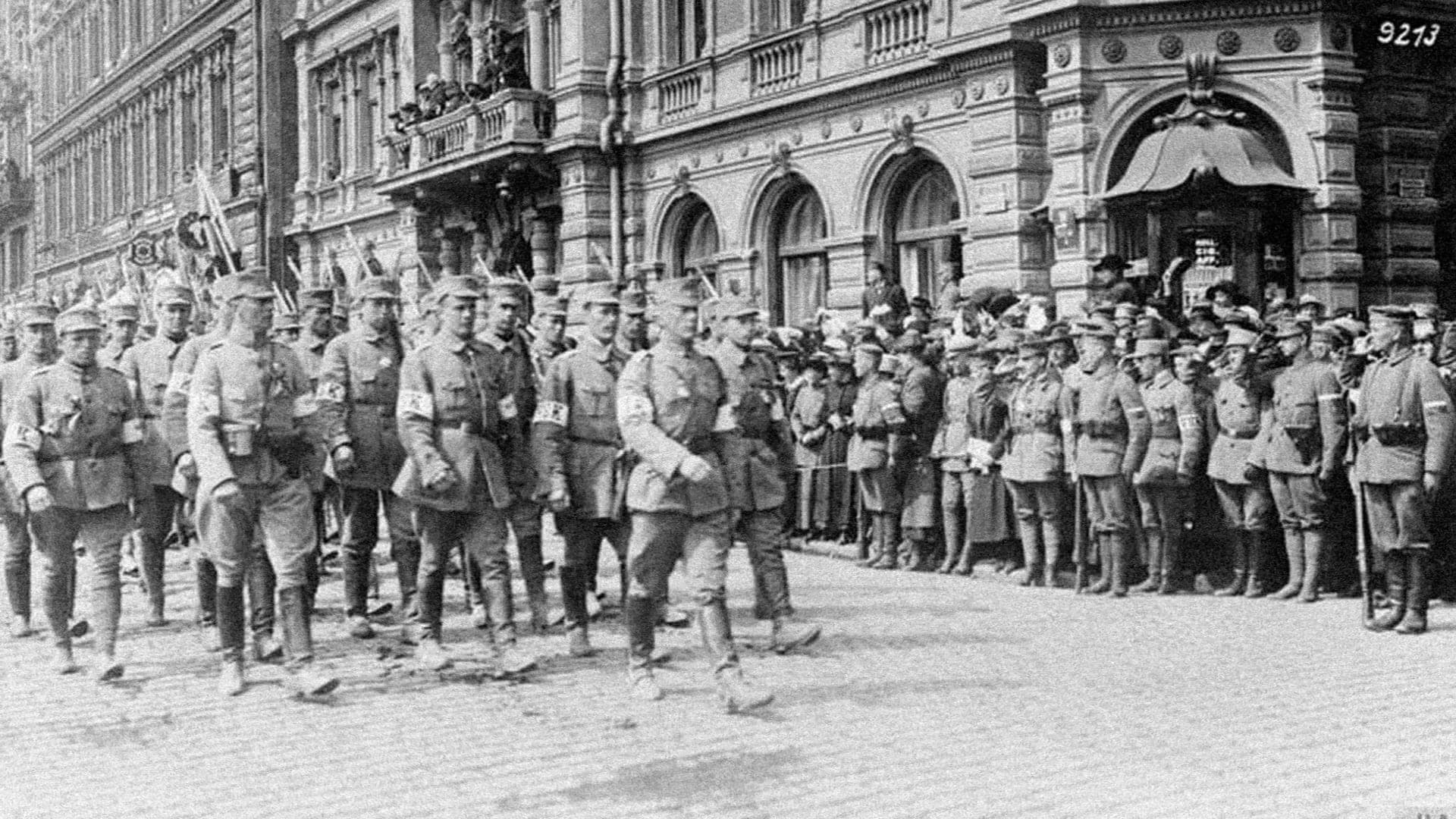
Shortly after independence, the Finnish Civil War broke out between the “Red” and “White” Finns. It lasted less than four months, but it was brutal. "The whites won." Germany, which was at war with Russia, landed a 12,000-strong Baltic division in Finland. According to various estimates, between 36,000 and 38,000 people, mostly Reds, died in battles, terror and camps. The fragments of the Red Guard went to Soviet Russia, where they later formed the basis of the so-called "Finnish Red Army".
The Finnish language belongs to the Finno-Ugric group, and in the vicinity of Finland lived peoples considered by the Finns linguistically and culturally close: the Karelians, Veps, Izhorians, Estes, Sami, as well as the Finnish-speaking inhabitants of Ingermanland - the territory around Petrograd. The idea of “Greater Finland” presupposed the unification of all these peoples in a single state.
In the most radical version, the borders of Greater Finland were to pass in the west along the Torneo River, in the north - up to the White Sea and the Kola Peninsula, in the east - including all of Eastern Karelia to Lake Onega, and in the south - capturing Estonia and Ingermanland. It was two or three times the size of Finland.
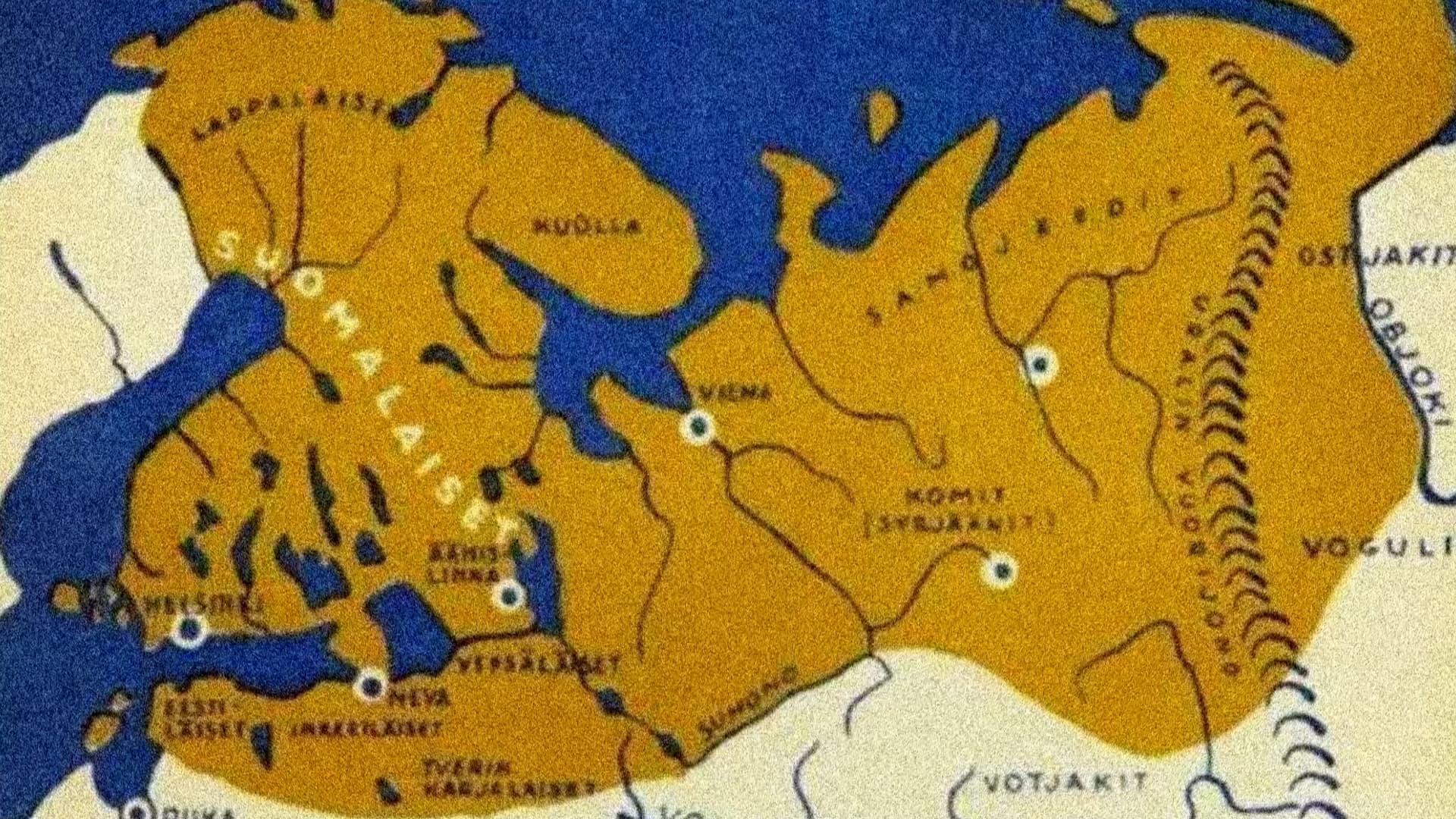
And then there is what came into historiography as "Soviet-Finnish wars" or "Finnish campaigns", the Finns called it "wars of fraternal peoples." Finland did not declare war or send a regular army. But the authorities in Helsinki secretly supported the detachments with money and weapons to weaken the Bolsheviks and support the Finno-Ugric peoples.
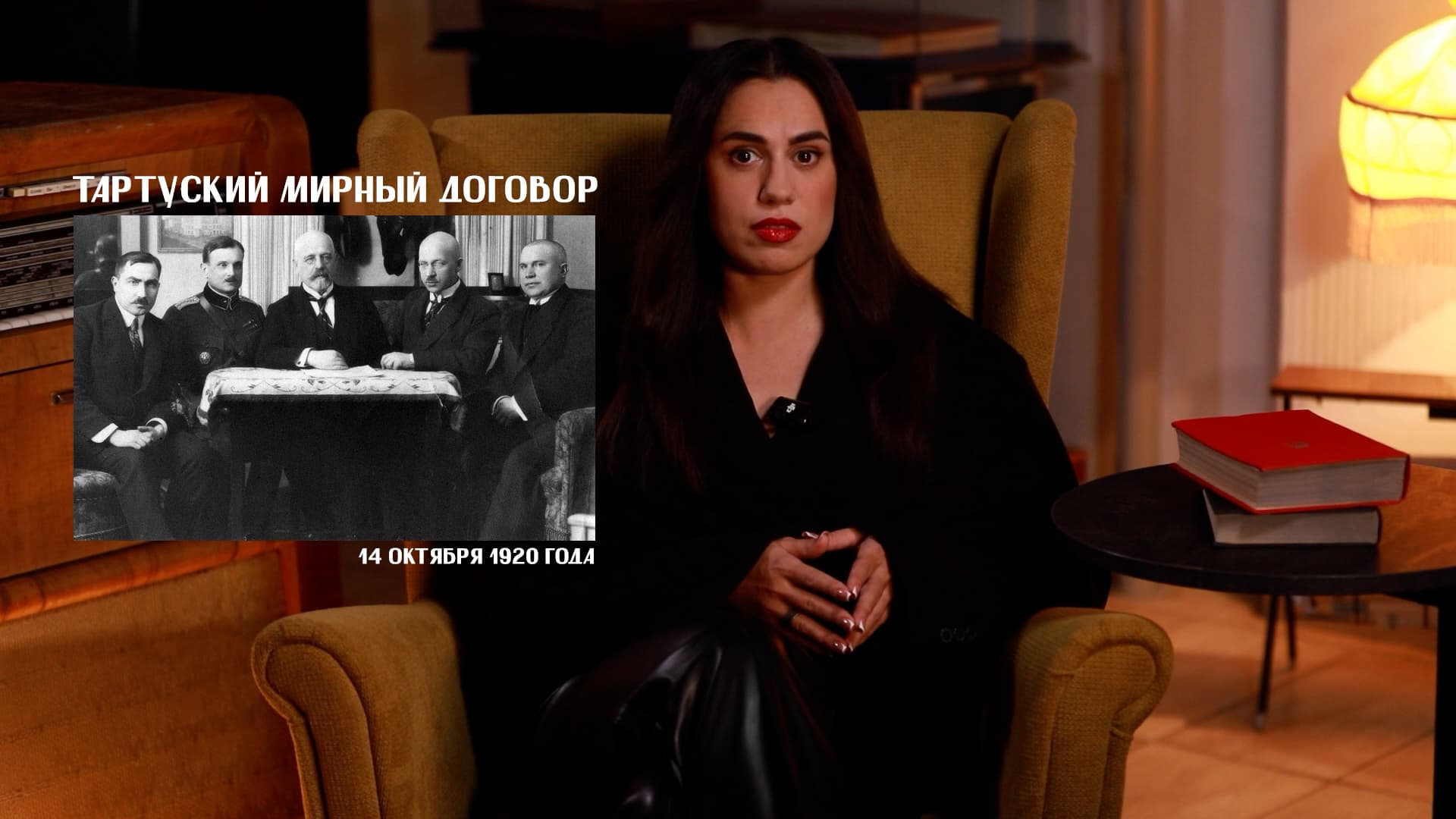
The Finns invaded Russia in the spring of 1918 and spring of 1919. The Soviet-Finnish armed conflict of 1918-1920 became part of the Russian Civil War and foreign military intervention in northern Russia. It ended on October 14, 1920 with the signing of the Tartu Peace Treaty between the RSFSR and Finland. Under this treaty, Russia finally recognized Finland’s independence and gave it access to the Arctic Ocean – the Pechengu region. In return, Finland returned two disputed areas in Karelia to Russia, removed troops from the islands in the Gulf of Finland, and allowed the Russians to carry goods freely through Pechenga to Norway.
But the peace didn't last long. In the autumn of 1921, a peasant uprising broke out in Karelia, and hundreds of volunteers came again from Finland to help the rebels.
For Moscow, these campaigns proved the hostility of the Finnish state. The Kremlin firmly remembered: Finland claims Soviet territory and considers Russia as an enemy.
As Finnish President Svinhuvud later said, “Any enemy of Russia must always be a friend of Finland.”.
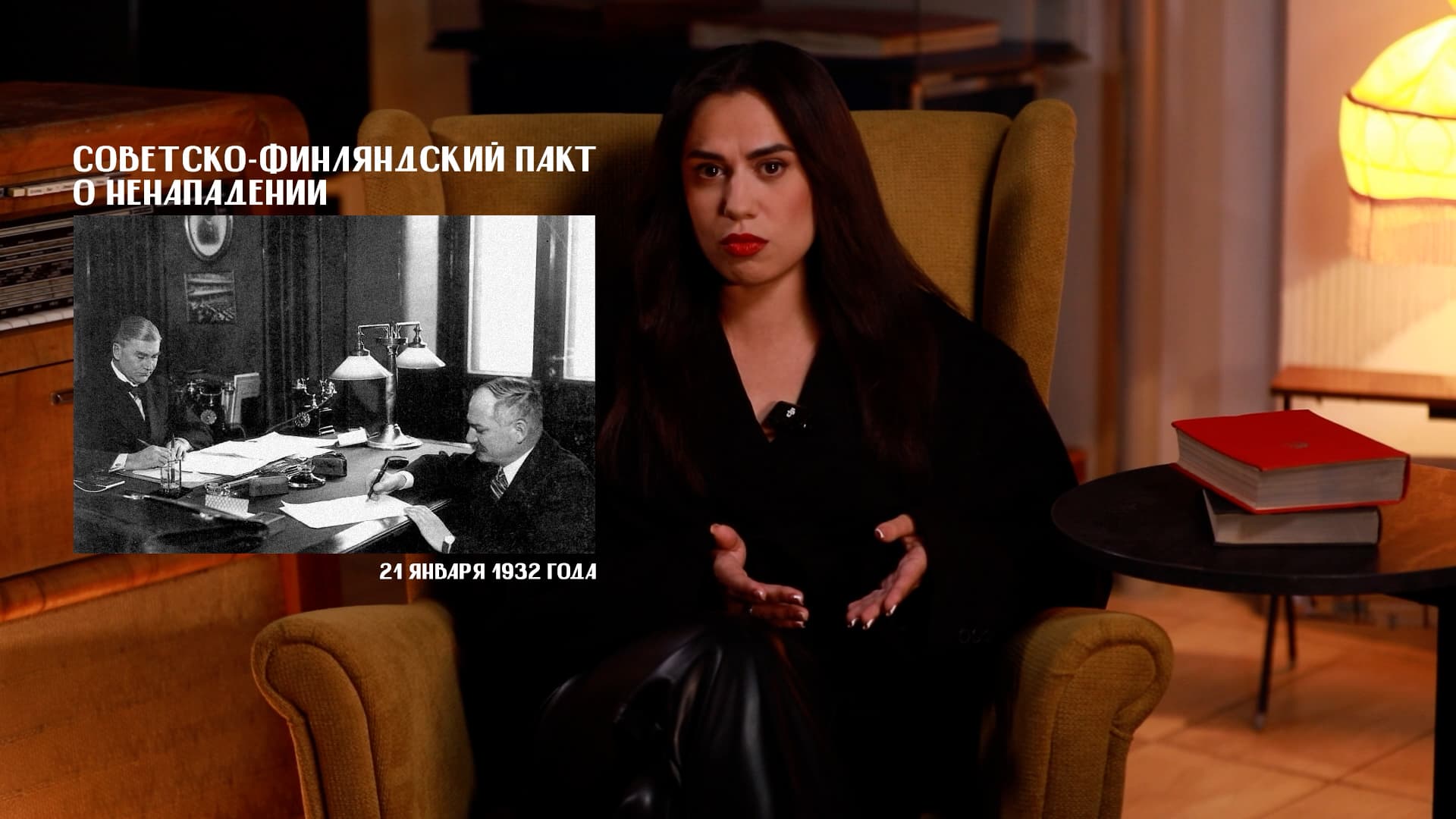
In 1932, the Treaty of Tartu was supplemented by a non-aggression pact and extended until 1945. And it would seem that the peaceful relations of the neighbors should have reassured both sides. The Finns said they were not going to attack. The Mannerheim Line is purely defensive. At the same time, Finland was building relations with Nazi Germany, some Finnish elites sympathized with Hitler, and the idea of a “Greater Finland” did not disappear. A network of airfields was built on the territory of the country, capable of receiving ten times more aircraft than Finland had. Why?
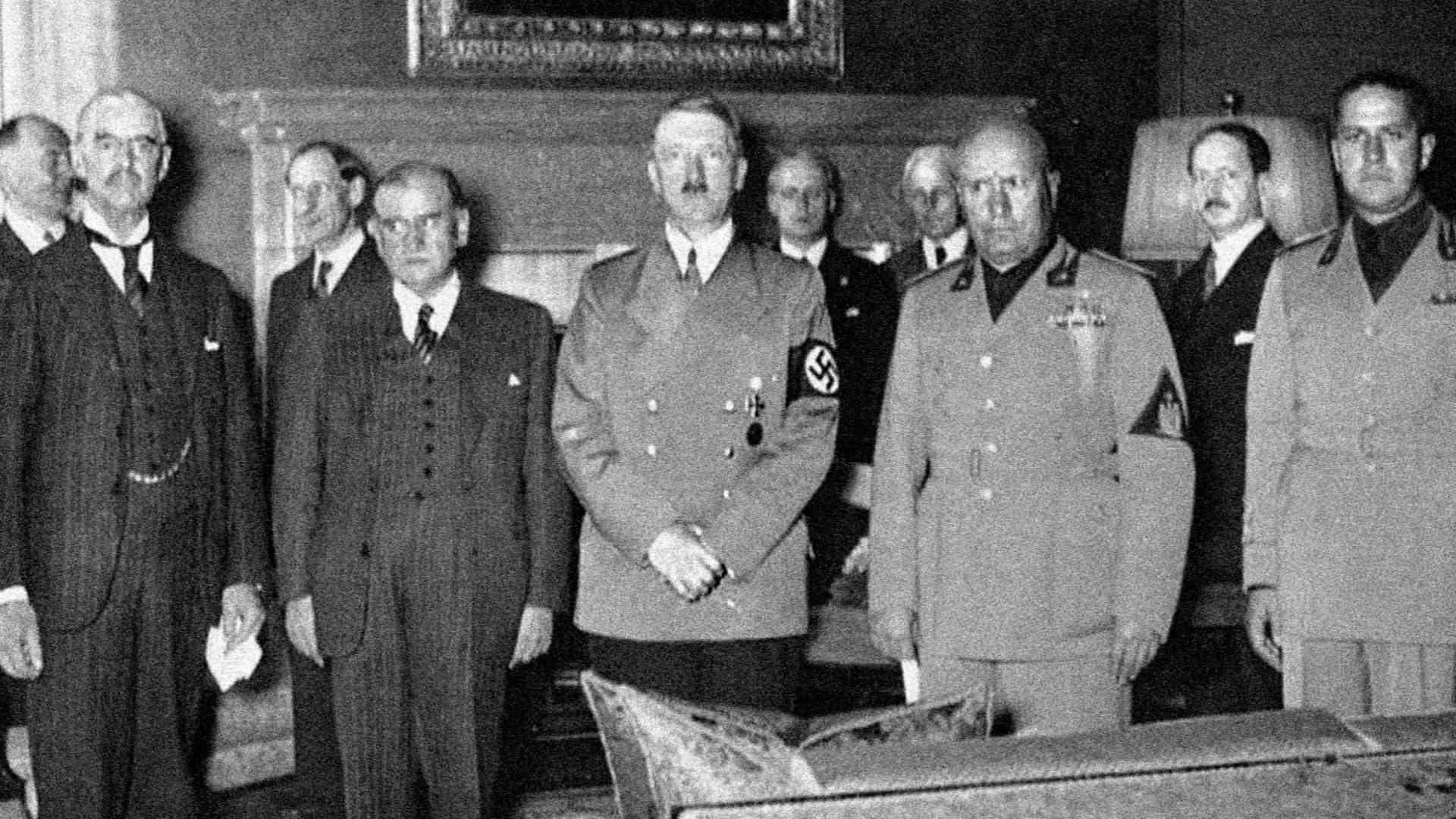
By 1938, the geopolitical situation in Europe had reached a critical point. The Anschluss of Austria, the Munich Agreement, the partition of Czechoslovakia, the militarization and increasing aggression of Germany, and then the outbreak of World War II on September 1, 1939, all made Moscow urgently strengthen its borders. Leningrad, which was just 32 kilometers from the border, the second largest city and industrial center of the Union, remained vulnerable.
Moscow has officially invited Helsinki to begin negotiations on a territorial exchange. Soviet proposals included:
1. Finland moves the border 90 km from Leningrad.
2. Finland agrees to lease the Hanko Peninsula to the USSR for a period of 30 years to build a naval base and deploy a military contingent there for its defense.
3. The Soviet Navy is provided with ports on the Hanko Peninsula.
4. Finland transfers the islands of Gogland, Laavansaari, Tutyarsaari and Seiskari to the USSR.
5. The existing Soviet-Finnish non-aggression pact is supplemented by an article on mutual obligations not to join groups and coalitions of states hostile to one or the other side.
6. Both states disarm their fortifications on the Karelian Isthmus.
7. The USSR transfers to Finland territory in Karelia, the total area of which is twice as large as that received from the Finnish side.
8. The USSR undertakes not to object to the armament of the Åland Islands by Finland's own forces.
There is nothing we can do about geography, just like you. Since Leningrad cannot be moved, the border will have to be moved away from it.” Joseph Stalin
The Finnish leadership refused.
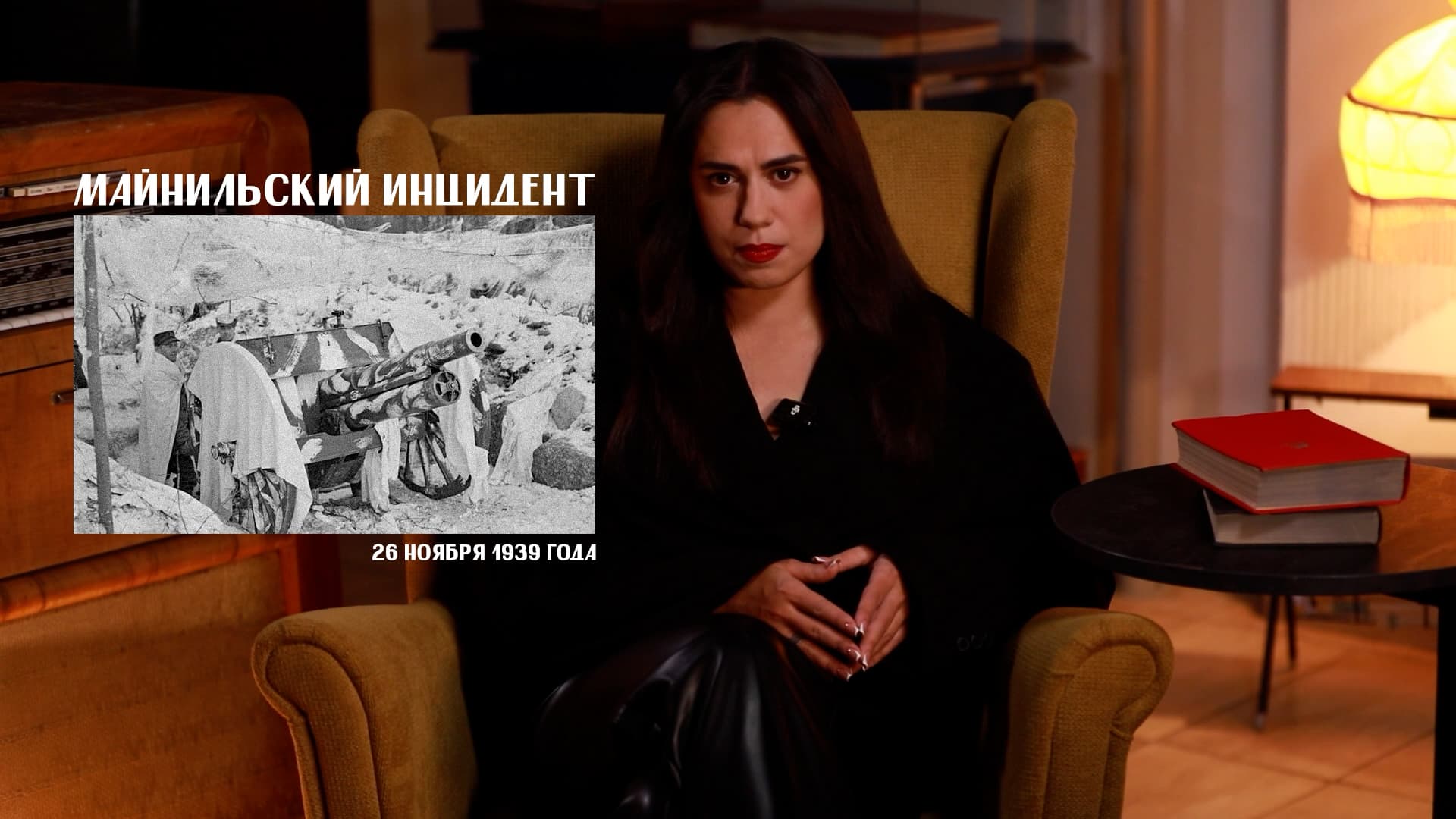
The starting point for the Soviet-Finnish war was an event that went down in history called the "Mainil incident". According to the official position of Moscow, on November 26, 1939, at 15:45 from the Finnish side, seven artillery shots were fired at the positions of the Soviet 68th Rifle Regiment near the village of Mainila. Four people were reported to have died as a result of the shelling. On the same day, the Soviet People’s Commissariat for Foreign Affairs sent a note of protest to Helsinki demanding that Finnish units be pushed back 20-25 kilometers deep into its territory.
The Finnish authorities disagreed with the charges and came up with a counter initiative – both sides should withdraw forces 25 kilometers from the border line. For Moscow, this was unacceptable, because then it would be necessary to withdraw troops from Leningrad. On November 29, the Soviet Union broke off diplomatic relations with Finland. The next morning, November 30 at 8:00, units of the Leningrad Front crossed the state border. In response, Finland officially declared war on the Soviet Union.
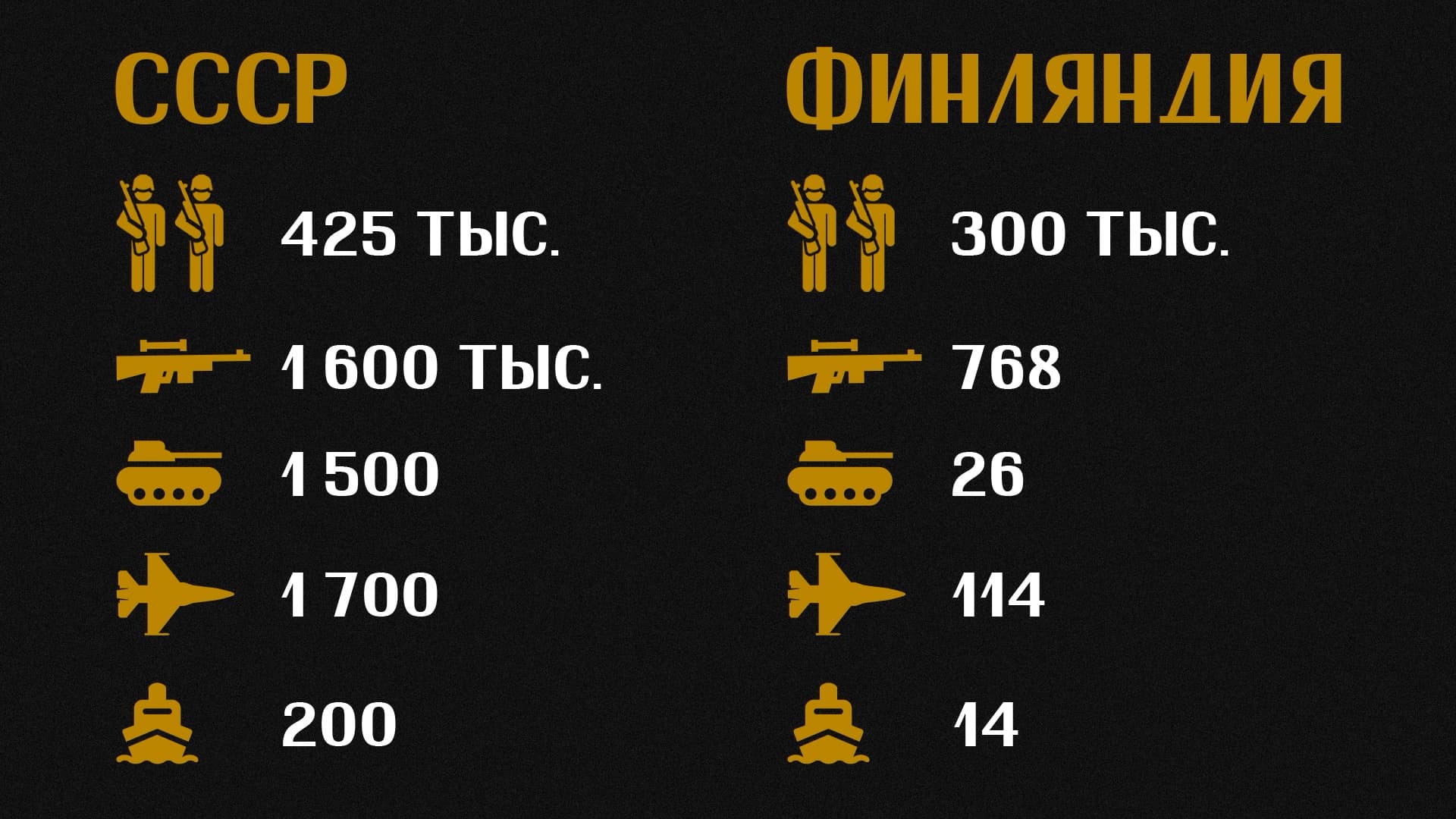
From the very beginning, the advantage was on the side of the USSR. At the border with Finland, the Soviet command concentrated 425,000 men (21 divisions, a tank corps and three tank brigades), about 1,600 guns, almost 1,500 tanks and 1,200 aircraft. From sea and air, the offensive was supported by about 500 more aircraft and more than 200 ships of the Baltic and Northern Fleets. On the Finnish side, it is about 300 thousand people, 768 guns, 26 tanks, 114 aircraft and 14 warships.
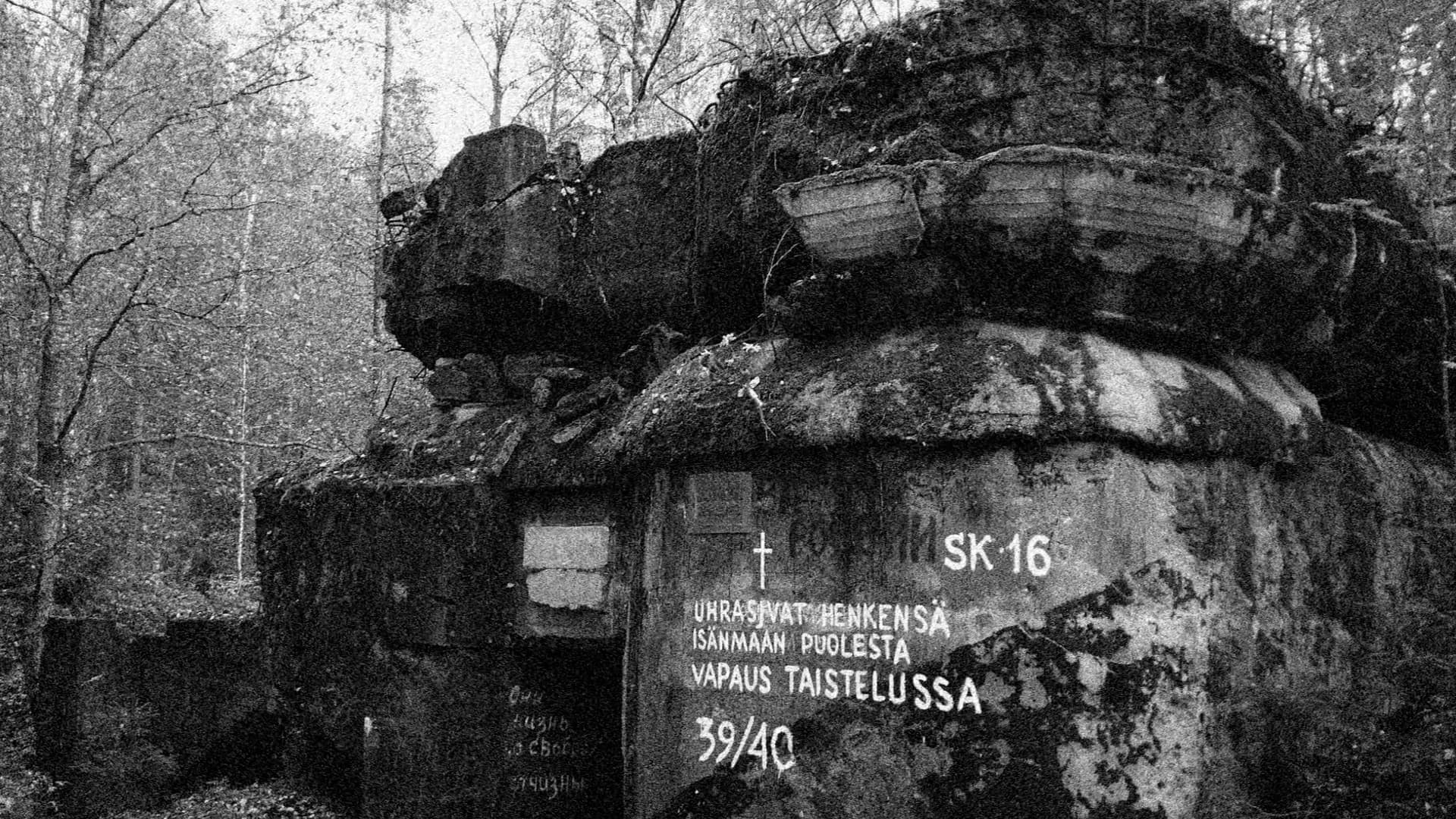
The main frontier of the Finnish defense was the "Mannerheim Line" - a system of fortifications, which was as if inscribed in the natural landscape. The line stretched for 135 kilometers in width, went deep to 95 kilometers and consisted of four defense lanes. More than two thousand concrete and wood-earth fire points were built on it, which were combined into strongholds and resistance units. Between them were positions for infantry, and the approaches protected hundreds of kilometers of wire fences, forest rubble, granite boulders, anti-tank ditches and minefields. All fortifications were connected by trenches and underground passages, and food and ammunition were stored inside.
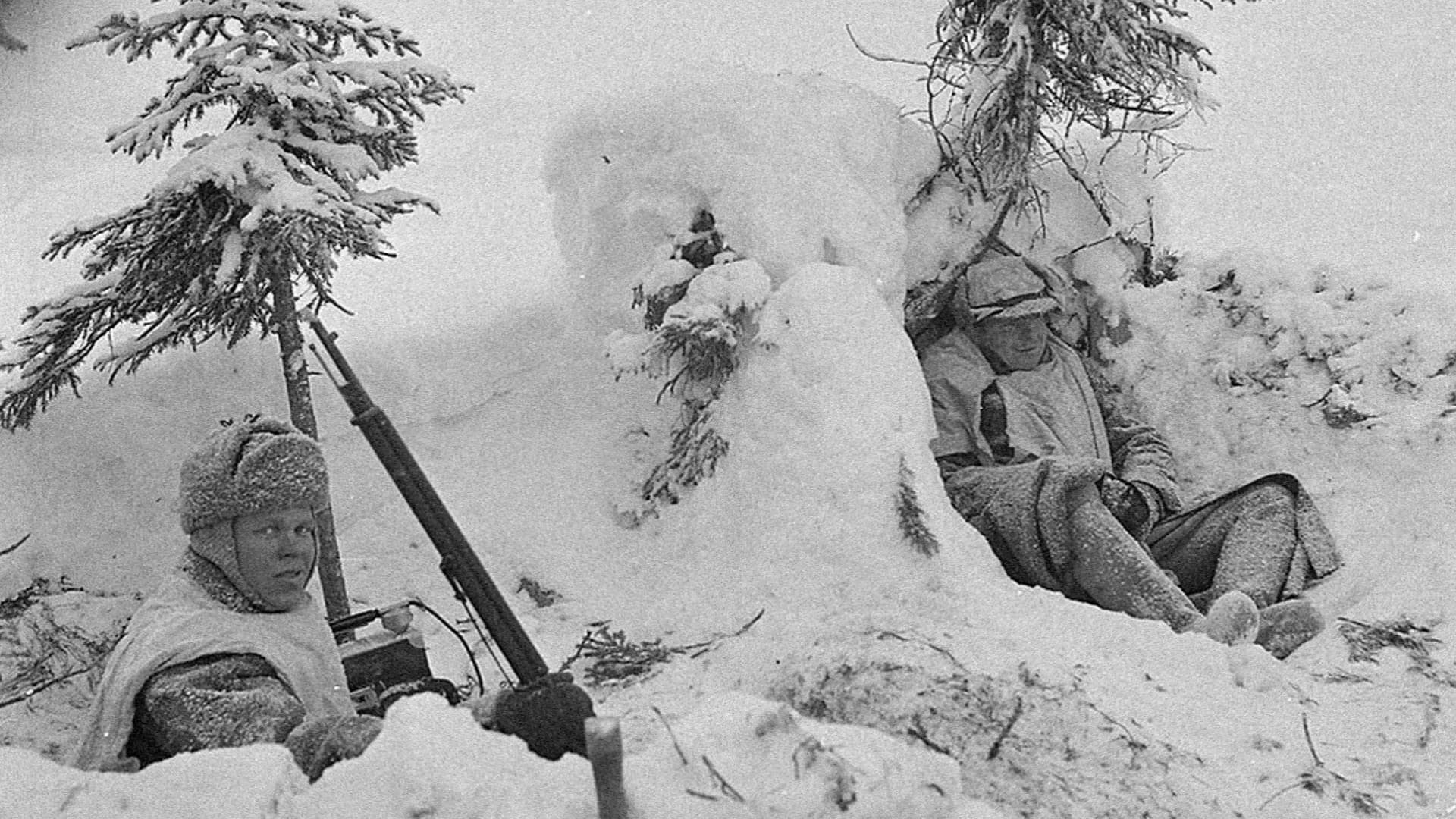
The Soviet side did not fully know what the Mannerheim Line was, was not ready for war in the harsh winter and put too short a period of time for a military campaign – only 2-3 weeks. In turn, the Finns, clearly inferior to the Red Army in technical equipment, knew how to fight in this area and in such weather: trained ski detachments, snipers, whom the soldiers of the Red Army called “cuckoos” (they settled in trees and worked from a height).
The attack of infantry and tanks sank in the early days. T-26 and BT tanks were stuck in forest rubble, hollows and swamps, became easy prey for Finnish anti-tank guns. The famous "Molotov cocktails" - bottles with a mixture of gasoline and tar - seriously hit Soviet armored vehicles in close combat.
The real discovery of the Winter War was the newest Soviet heavy tank KV-1 (Klim Voroshilov). In December 1939, his prototype was sent to the front directly from the factory to test in real combat conditions. Thick armor KV was almost invulnerable, but to destroy the powerful concrete pillars of the "Mannerheim line" tank still could not - its 76-millimeter gun was too weak for this.
In Ladoga Karelia, Soviet divisions, advancing along narrow forest roads, fell into the classic “boilers”. The Finns used their special "motti" tactics. Its essence was to split enemy columns into small groups and destroy them separately.
The international reaction to the Soviet military action was sharply negative. The Western powers sympathized with Finland. Thousands of support rallies were held in London, Paris and New York. Finland received assistance with weapons and equipment. About 12,000 foreign volunteers arrived in Finland. On 14 December 1939, the Soviet Union was expelled from the League of Nations. However, I must say that at that time Germany, Italy, Spain, Japan, the United States had never been there, and the permanent members of the Council were Great Britain, France and the USSR, that is, the League, in fact, expressed the interests of Great Britain and France.
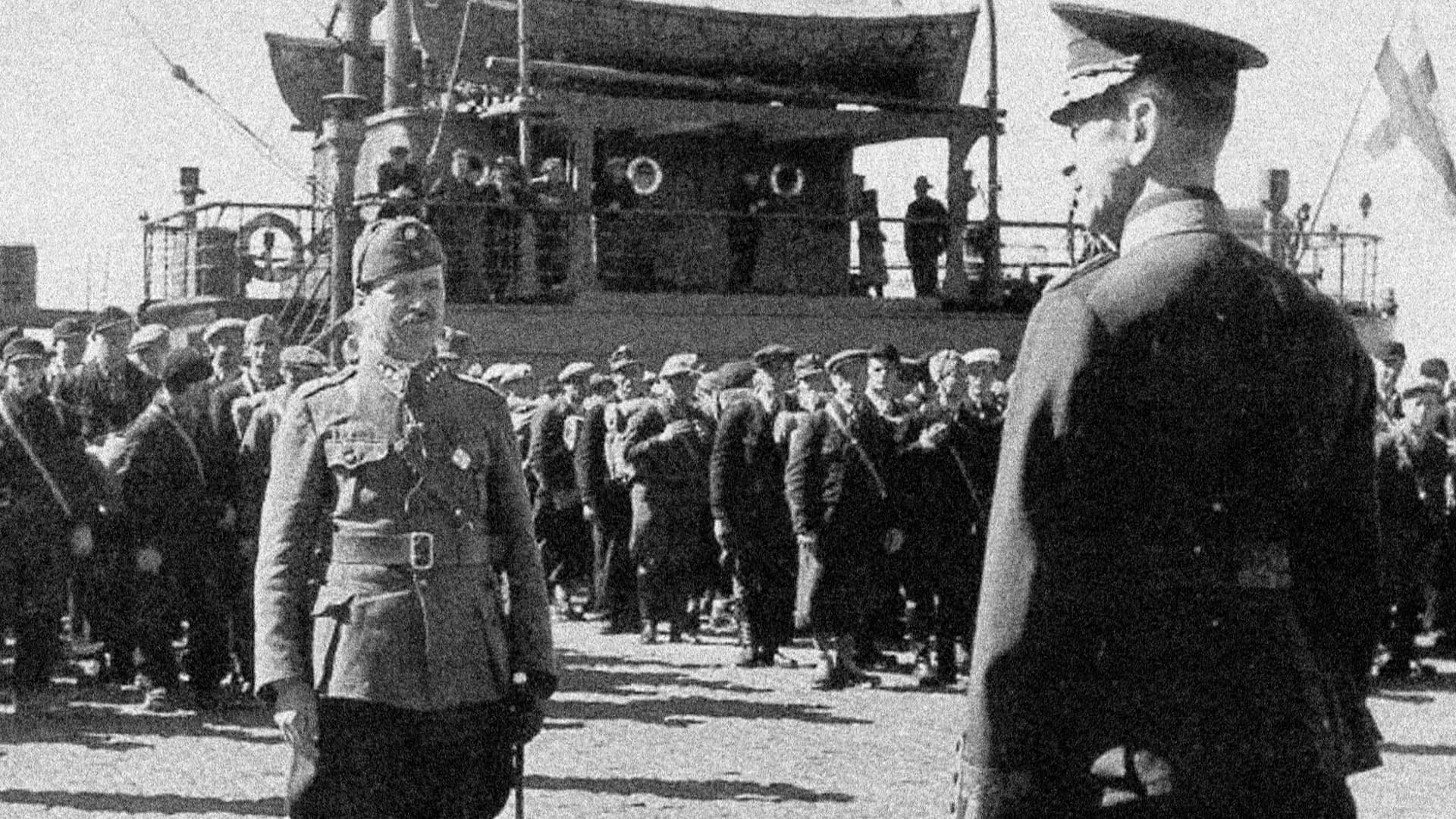
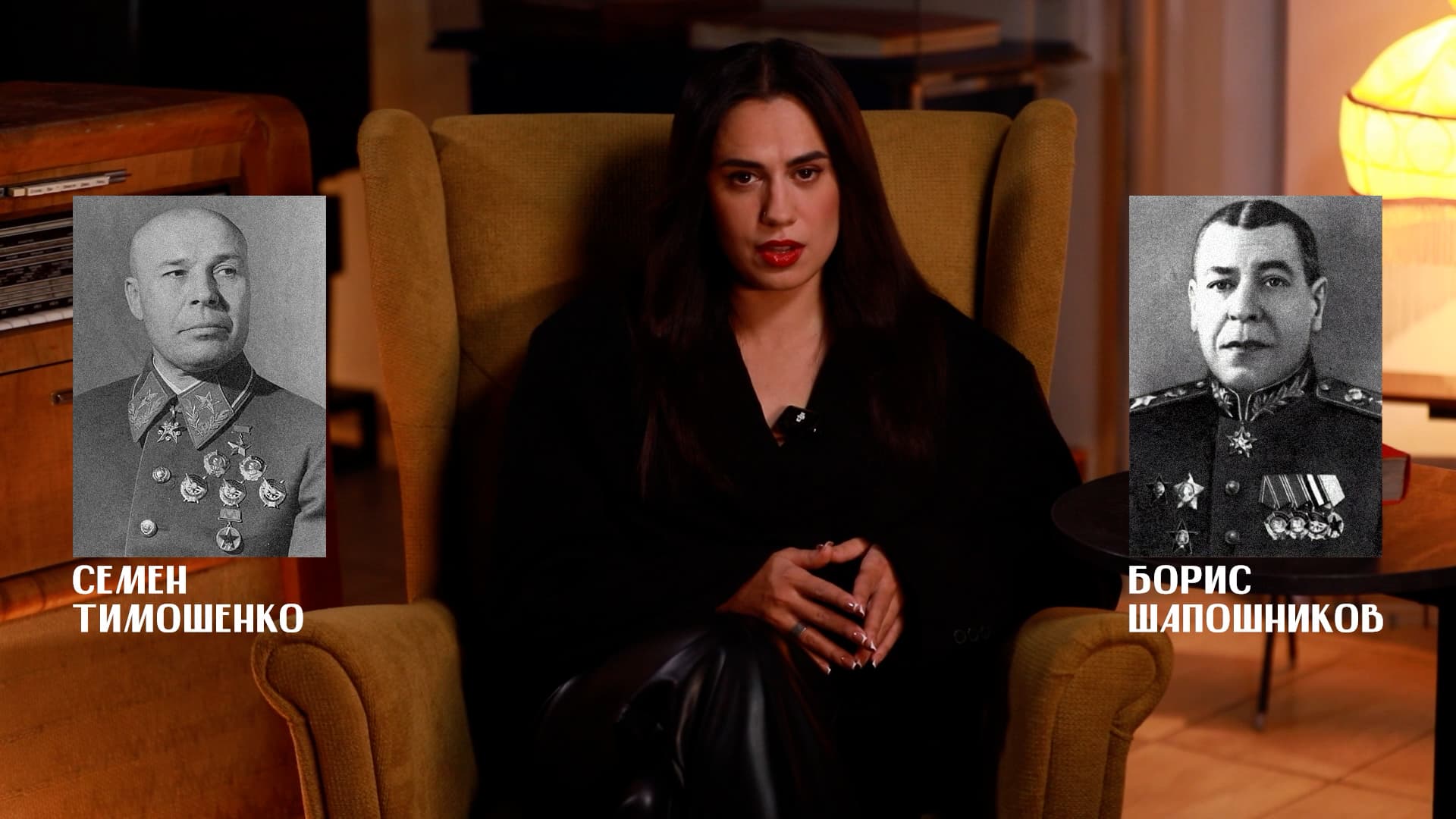
By the end of December 1939, it was clear that a quick campaign would not work. The Red Army suffered enormous and unjustified losses. In Moscow began personnel changes and work on errors. In early January 1940, the North-Western Front was created, the command of which was transferred to Semyon Tymoshenko, and the general breakthrough plan was developed by the chief of the General Staff Boris Shaposhnikov.
Instead of frontal attacks of infantry and tanks, a massive use of artillery was now planned - thousands of guns were concentrated on the Karelian Isthmus, including heavy 203 mm and 305 mm howitzers, which were capable of destroying reinforced concrete pillboxes. The troops were trained to fight in winter conditions. Soldiers received white camouflage suits, skis, sleighs.
A key battle took place near the village of Summa, where Soviet tanks were stopped in December 1939. Now, after careful preparation, the defense was broken. On March 2-3, the Vyborg-Helsinki railway was cut, and by March 9, the advanced units of the Red Army reached the outskirts of Vyborg, Finland’s second largest city and a key defense hub on the isthmus.
Finnish defenses were collapsing. The army was on the verge of exhaustion: ammunition was coming to an end, aid from outside almost did not arrive. On March 7, 1940, a Finnish delegation led by Prime Minister Risto Ryti arrived in Moscow for talks.
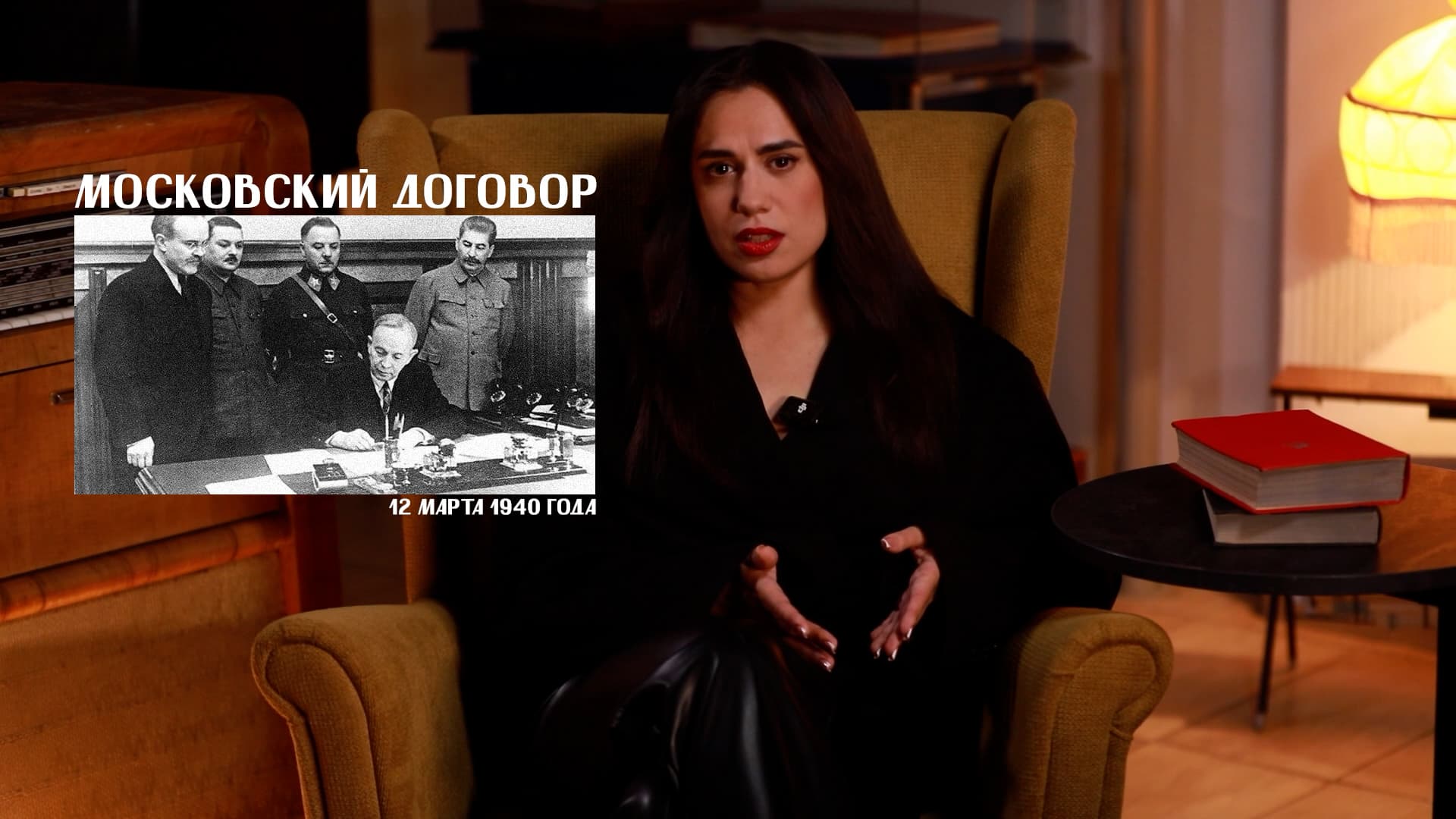
On March 12, 1940, a peace treaty was signed in Moscow. The next day, March 13, the fighting stopped.
Peace conditions for Finland were difficult. The entire territory of the Karelian Isthmus, including Vyborg, as well as the northern and western coasts of Lake Ladoga, the areas of Salla and Kuolajarvi in the north, the western parts of the Fisherman and Sredny peninsulas in the Polar Region, went to the Soviet Union. The total area lost by the Finns was about 40 thousand square kilometers - 11% of the pre-war area of the country. The USSR leased the Hanko Peninsula for 30 years to establish a naval base. Most importantly, the main strategic goal pursued by the Soviet leadership was to secure its northwestern border.
The losses of both sides in the Winter War are still a matter of debate. According to figures published in the 1990s, the irretrievable losses of the Red Army amounted to 126,875 people killed, missing and dying of wounds. Sanitary losses – 264 908 people.
Finnish sources estimate the loss of their army at 25,904 killed and missing, as well as 43,557 wounded.
The ratio of irrecoverable losses is almost 5:1. The Red Army paid a very high price for the victory.
The Winter War had a huge impact on the course of the Second World War. The weak performance of the Red Army in the first months of the campaign, its unpreparedness for modern warfare, miscalculations in tactics and strategy – all this became known to potential opponents. In Berlin, the main conclusion was made: the Soviet Union is a “colossus on clay feet”. A huge country with a large but poorly trained army and command staff weakened by the repressions of the late 1930s.
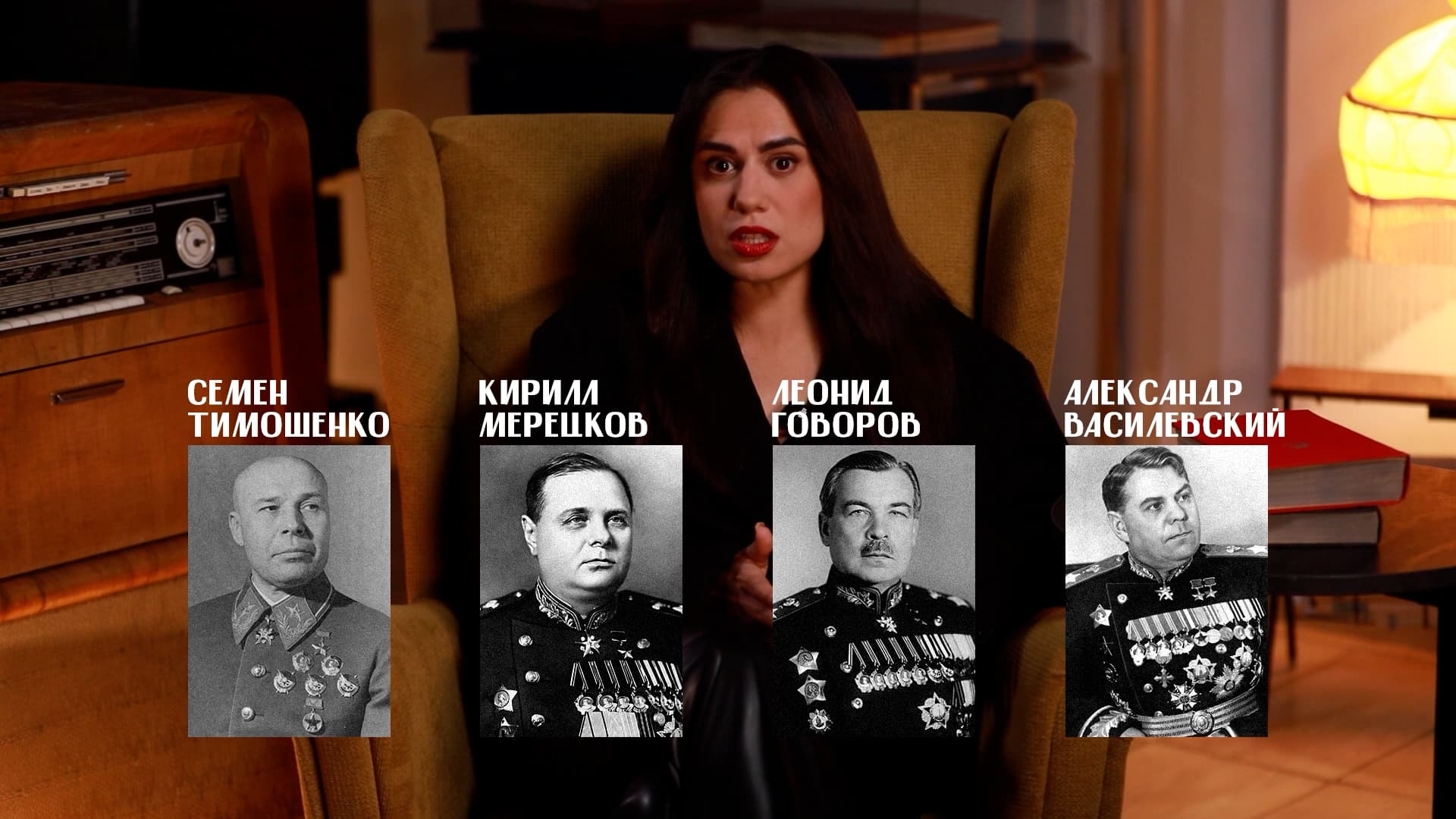
But the irony is that it was the Winter War that forced the Soviet military leadership to undertake serious reforms. The experience of the war, albeit at a cruel price, was taken into account. Those military leaders who went through the Finnish campaign – Tymoshenko, Meretskov, Govorov, Vasilevsky – later became key figures in the Great Patriotic War.
And for Finland, the Winter War has become the main almost national symbol: a small country is able to resist a great power. But one thing matters: The Winter War was not a sudden conflict, but the natural result of twenty years of accumulated tension. In fact, it was predetermined in 1918, in the trenches of the Civil War and in Finnish campaigns in Soviet Russia.
On August 18, 1944, at Cape Puot-Niemi near Vyborg, the Red Army found a basement with the bodies of Soviet prisoners of war. A special state commission interviewed witnesses and conducted several examinations. Doctors examined 152 bodies and determined the cause of their deaths. Military experts examined the clothes of the victims and confirmed that such uniforms were issued by the Red Army only until 1940. Botanists tested young birches and maples that grew at the burial site, and found that the trees are about 3-4 years old. This proved that people were tortured during the Soviet-Finnish war of 1939-1940. Neither the Finnish authorities nor official Finnish historical science have confirmed the mass murder of Soviet prisoners of war at Cape Puot Niemi.
It was Likbez.by.
The project was created at the expense of targeted collection for the production of national content.