
Hands are more dangerous than mouth. How not to get infected from friends from a common plate with chips
Sharing a plate of snacks is unquestionably unhygienic, but transmission of infections through the mouth is less likely than from dirty hands. Simple recommendations on how to avoid infection - in our material
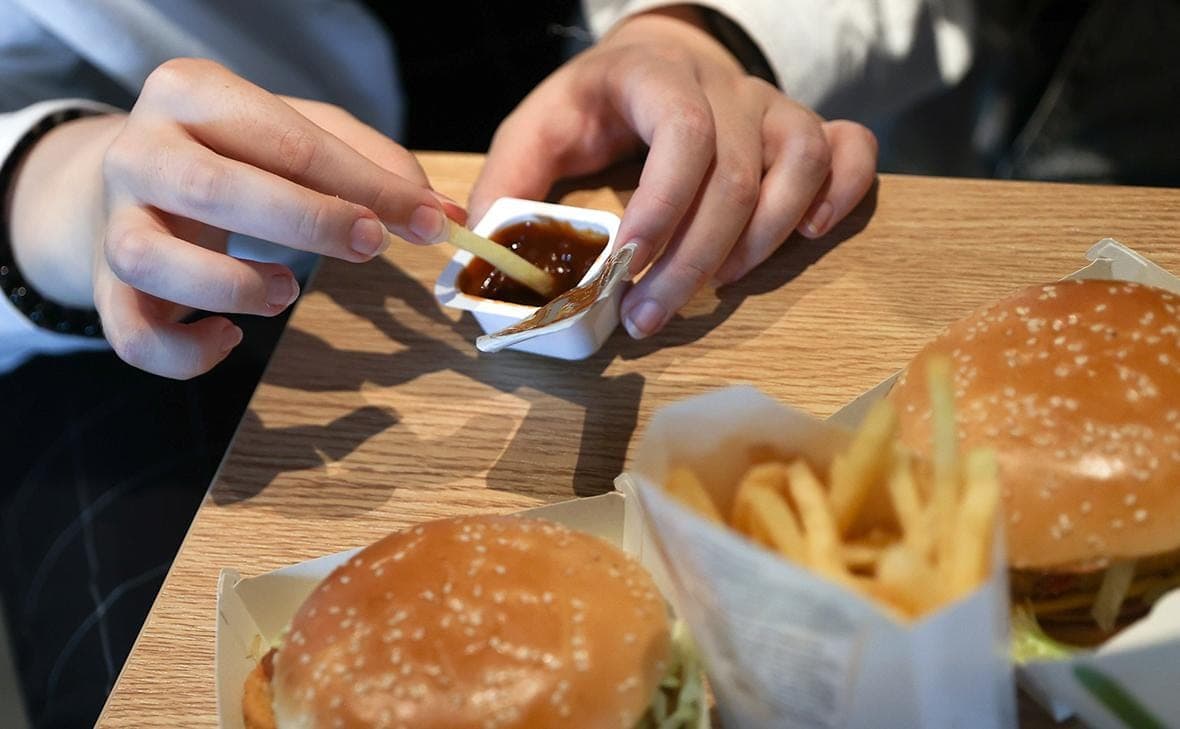
British scientist, Professor of Vaccine Immunology at Imperial College London John Tregoning warned that eating from one bowl of sauce at all leads to the transfer of bacteria from person to person. What you need to know about this - in the material RBC.
Tregoning cited data from a study that tested for salsa bacteria, chocolate sauce and cheese dip (a kind of thick sauce). It turned out that the bacteria got into all three products, and most of all in salsa. The scientist noted that it is not oral microorganisms that are much more dangerous, but those that are carried on the hands with poor hygiene - they can be pathogens.
The doctors interviewed by RBC told whether there is a risk of catching infections when eating snacks in a large company and why it is important to wash your hands twice.
As the therapist Nadezhda Chernyshova told RBC, the option of a snack, in which several people use one bowl with snack sauce, really increases the likelihood of transmitting bacteria, but if everyone in the company is healthy, this does not always threaten the disease.
“Most of the microbes in our mouths are quite harmless. Even if we exchange them, nothing terrible usually happens. Healthy people are extremely unlikely to get sick with some disease transmitted in this way, she explained.
At the same time, the therapist noted that it is still better when all guests have a separate container with sauce.
If the company has people with infectious diseases, the risk of transmission of pathogens naturally increases.
“Imagine this scenario: a person sneezes, wipes his nose or touches his face. It is contagious with some kind of viral infection. And he touches the cutlery with those same hands. Same chips, snacks eating from a shared plate. He touches the plate, touches cutlery, respectively, said Olga Shuppo, founder and scientific director of the network of immunorehabilitation, adaptation and preventive medicine clinics Grand Clinic.
Chernyshova added that people with reduced immunity, including those taking a course of antibiotics, are more likely to become infected. “But that’s not a big risk,” she said.
As experts emphasize, dirty hands are much more dangerous with a general meal than the very presence of bacteria in the oral cavity, and washing hands before eating is “the basis of the basics”.
“Hands must be washed thoroughly. Twice. It's the first time we're washing off a fatty, you know, film like this that keeps bacteria, viruses, on the surface. And if we talk about viruses, the cycle of their life on surfaces can be, well, from half an hour, for example, to three hours, depending on the humidity of the medium. And our hands are constantly moisturized. Accordingly, the higher the moisture of the surface, the longer the virus will live on this surface, explained Shuppo.
Chernyshova noted that through dirty hands you can catch a large number of intestinal infections, including salmonellosis, norovirus, rotavirus, dysentery and typhoid.
“If I had to conclude that it is more dangerous to dip food in the common sauce or not to wash your hands, eat with dirty hands, then, of course, dirty hands are much worse in terms of possible infections,” the therapist concluded.


