
What is a rare cold allergy, what are its symptoms and how it is treated
Cold urticaria is a rare disease from which women are more likely to suffer, it can cause serious consequences for the body. Doctors on the eve of winter explain what to pay attention to and how this disease is diagnosed
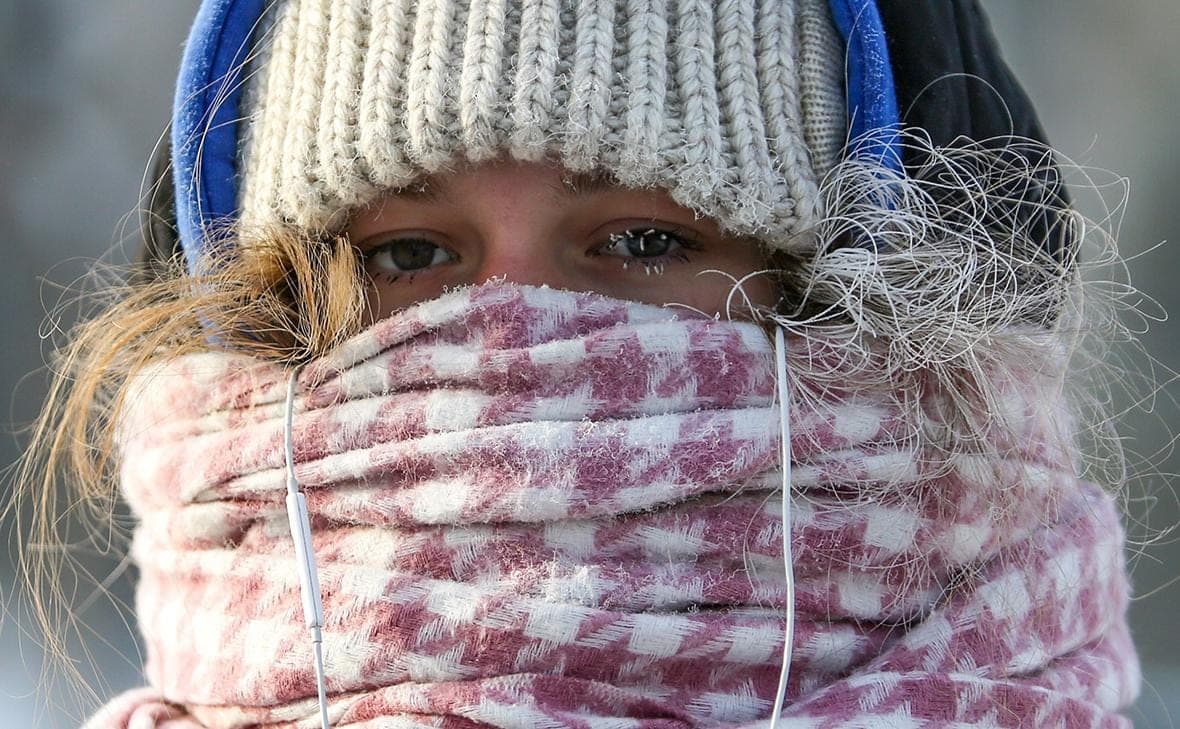
Cold allergy, or cold urticaria, is a rare disease that manifests itself in serious and sometimes life-threatening symptoms. On the eve of the first frosts, RBC, together with doctors, understood what reactions of the body can indicate this disease, how it is diagnosed and how it is treated.
How patients with “allergy to cold” describe their condition
The Guardian, in a recent article in the “Personal Experience” section, quotes a woman from California who first encountered cold urticaria symptoms at 37 years old.
I noticed my fingers swelling and turning red whenever I held an iced drink. It seemed strange to me and I didn’t know what was going on. Then the same thing happened when I took food from the fridge. Instinctively, I wanted to put my hands under hot water, but it only made things worse, Castaner said.
According to the woman, her temperature allergic threshold is about 22.8 degrees Celsius, but it still depends on the sunshine of the day, windiness and other weather factors. Another trigger is the air conditioning of the room or the difference in the temperature of the water and air in the bathroom. Castaner is forced to wear a medical bracelet that warns of the risk of anaphylactic shock.
A separate problem is the reaction of people to the diagnosis. The woman said that she was joking, saying something like: “I hate the cold.” I'm allergic, too.
What is an “allergy to the cold”
Cold urticaria is an independent disease, which is included in the tenth International Classification of Diseases (ICD-10), the allergist-immunologist Vladimir Bolibok noted in a conversation with RBC. Officially, it is “urticaria caused by exposure to low or high temperature.”.
The disease is accompanied by a whole group of conditions in which exposure to low temperatures causes various symptoms - from skin rashes to life-threatening systemic reactions, Bolibok says.
“Cold allergy” is a rather rare disease (5-6 cases per 1000 people), according to existing studies, women get sick twice as often as men, and debut (first symptomatology) manifests itself at the age of 18 to 30 years (an average of 22 years). At the same time, rare cases are described when cold urticaria is diagnosed at 3 months and 72 years.
Allergist of the Mechnikov Research Center, Candidate of Medical Sciences Evgenia Stepanova told RBC that “allergy” is rather a common description of the manifestation of the disease.
“It is similar to allergy in symptoms, but its formation and implementation in the human body does not involve the organs of the immune system responsible for a specific response. In such a disease, immunological memory is not formed in the form of specialized immune cells and antibodies are not produced, as in ordinary allergies to pollen, cat hair or food, the doctor says.
Types of disease
The vast majority of cold urticaria cases are idiopathic, meaning the cause is unknown, Bolibok says. Continuing, he notes that allergic reactions to cold are usually classified depending on the form of the disease:
acute or chronic - symptomatology up to six or more weeks, respectively; acquired or idiopathic, both can develop against the background of other diseases - infections or autoimmune processes; atypical or reflex - rash occurs around the chilled area of the skin; hereditary - a rare genetic disease associated with a mutation of the NLRP3 gene, accompanied by fever and joint pain.
Separately, Bolibok talks about other manifestations of “allergy to cold”: cold dermatitis, rhinitis, conjunctivitis, as well as isolated reactions manifested by dryness, peeling and redness of the skin, runny nose or tearing exclusively in the cold.
Diagnostics
The main way to confirm the presence of the disease is to conduct a cold test, or, as it is also called, the Duncan test.
“An ice cube is placed on the skin of the forearm in a plastic bag (to exclude contact with water) for 3-5 minutes. After removal of the ice and subsequent warming (within 10-15 minutes), the reaction is evaluated. The appearance of a characteristic blister, redness and itching is considered a positive result, explains Bolibok.
The doctor urges to refrain from self-diagnosis, since patients are unable to assess the result, including a false positive reaction.
“Laboratory diagnosis (general and biochemical blood tests, determination of the level of total immunoglobulin E, cryoglobulins) is of an auxiliary nature and helps to identify possible background diseases or assess the severity of the process. If a hereditary form is suspected, genetic tests may be required, the expert adds.
Treatment and prevention
Cold allergy therapy is the relief of symptoms and the prevention of recurrence, Bolibok lists:
It is necessary to avoid contact with cold as much as possible: limit the time of stay in the cold, do not swim in cold water, avoid cold drinks and foods. Drug therapy. The basis is non-sedative antihistamines of the second generation, which must be used throughout the cold period of the year. Autolymphocytotherapy is a patented and officially approved for use in Russia method of allergy treatment, in which the patient is subcutaneously injected with his own lymphocytes. Emergency (emergency) care: with the development of systemic reactions (laryngeal edema, pressure drop, anaphylaxis), an immediate medical call is required.
Stepanova draws attention to the importance of preparing for winter for people who have cold urticaria.
“It is necessary to dress warmly, to cover the skin from cooling with clothes (scarf, mittens, long sleeves and trousers), and to protect the face with special creams that protect against cold. It is important to prevent rapid temperature changes, since slow gradual cooling is not so dangerous. Patients prone to cold urticaria can only swim in warm water (35 degrees Celsius and above), she says.
Both experts recommend caution about hardening, which can aggravate the condition of the body. In addition, Bolibok says that you need to avoid products that promote the release of histamine - coffee, chocolate, citrus fruits, smoked foods, spices. It is also important to cure foci of chronic infection and gastrointestinal diseases, which can provoke cold allergies, he adds.


