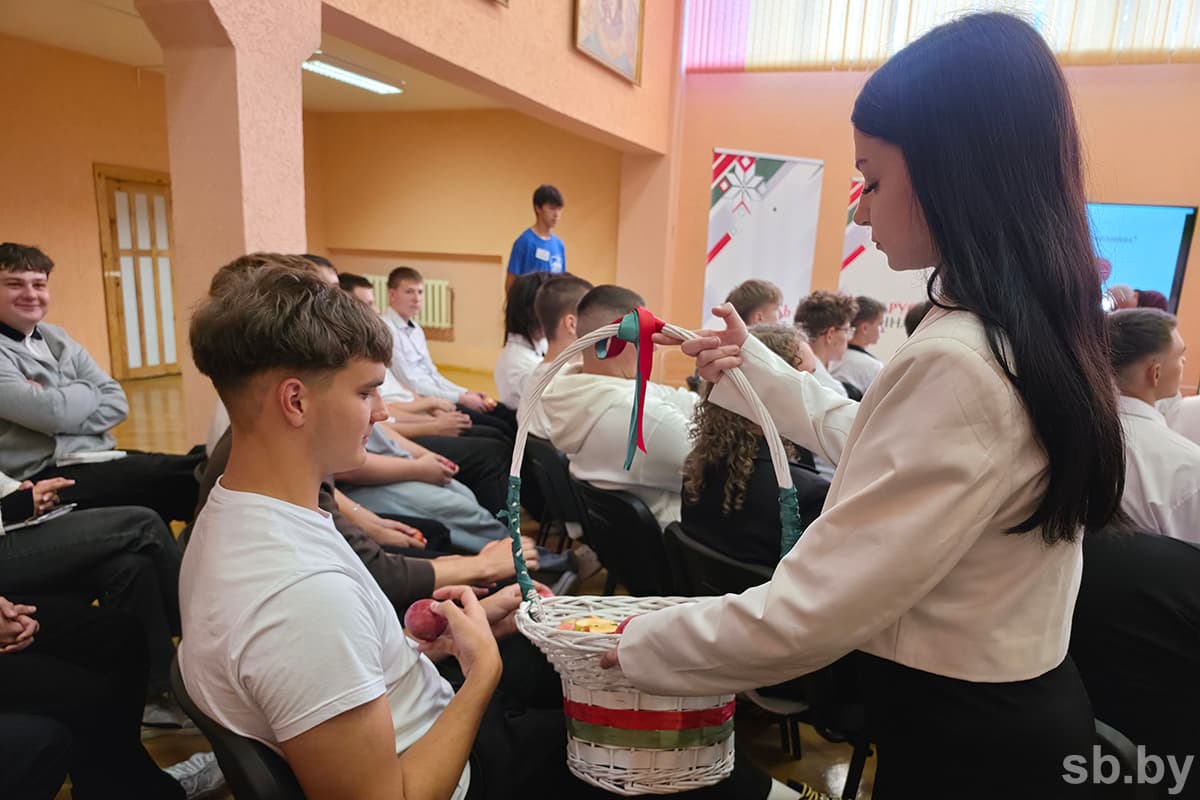
“Belarus Adzina”: the historical context and relevance of the Day of National Unity were discussed in Berez
This year, the republican information and educational campaign “Belarus Adzinaya” is held in an updated format, which makes a conversation about national unity.
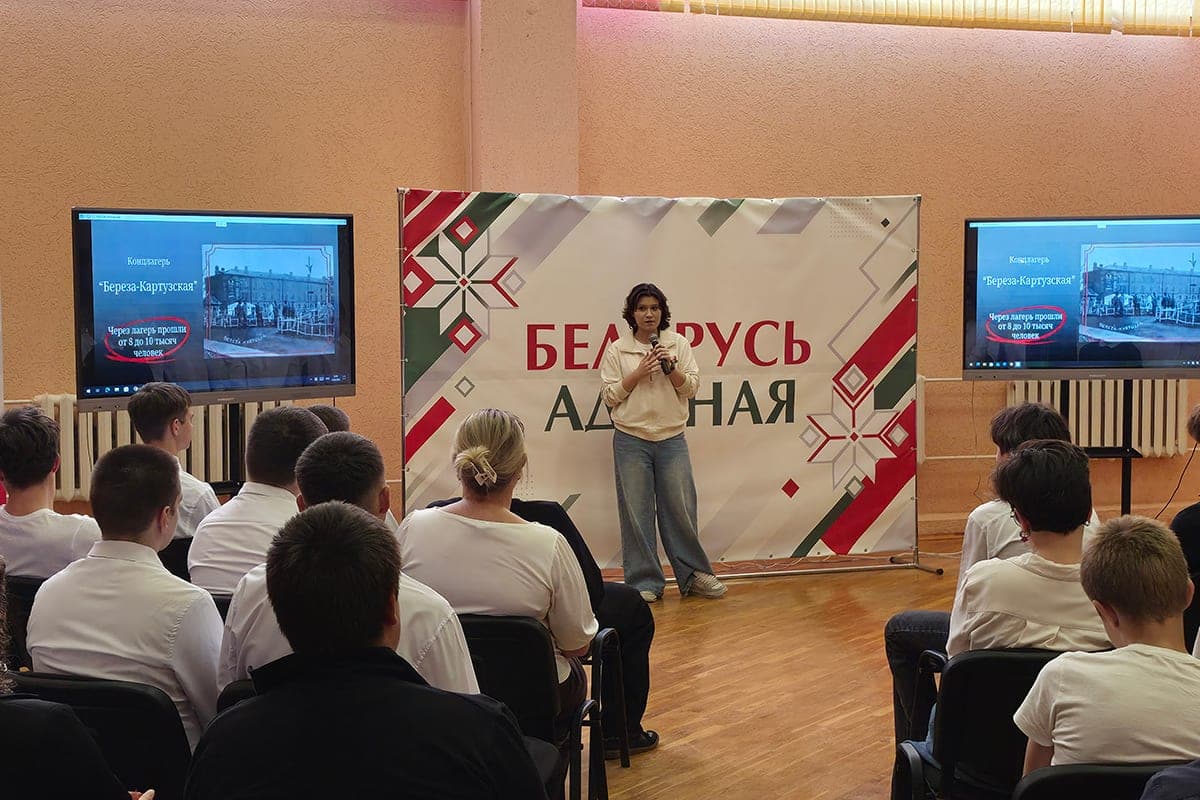
This year, the republican information and educational campaign “Belarus Adzynaya” is held in an updated format, which makes the conversation about national unity more alive and accessible for young people. Instead of traditional lectures, key topics are discussed by young speakers, addressing the audience directly. The meetings raise questions about the significance of September 17 in the history of the country, what unites Belarusians today and why it is important to preserve family memory.

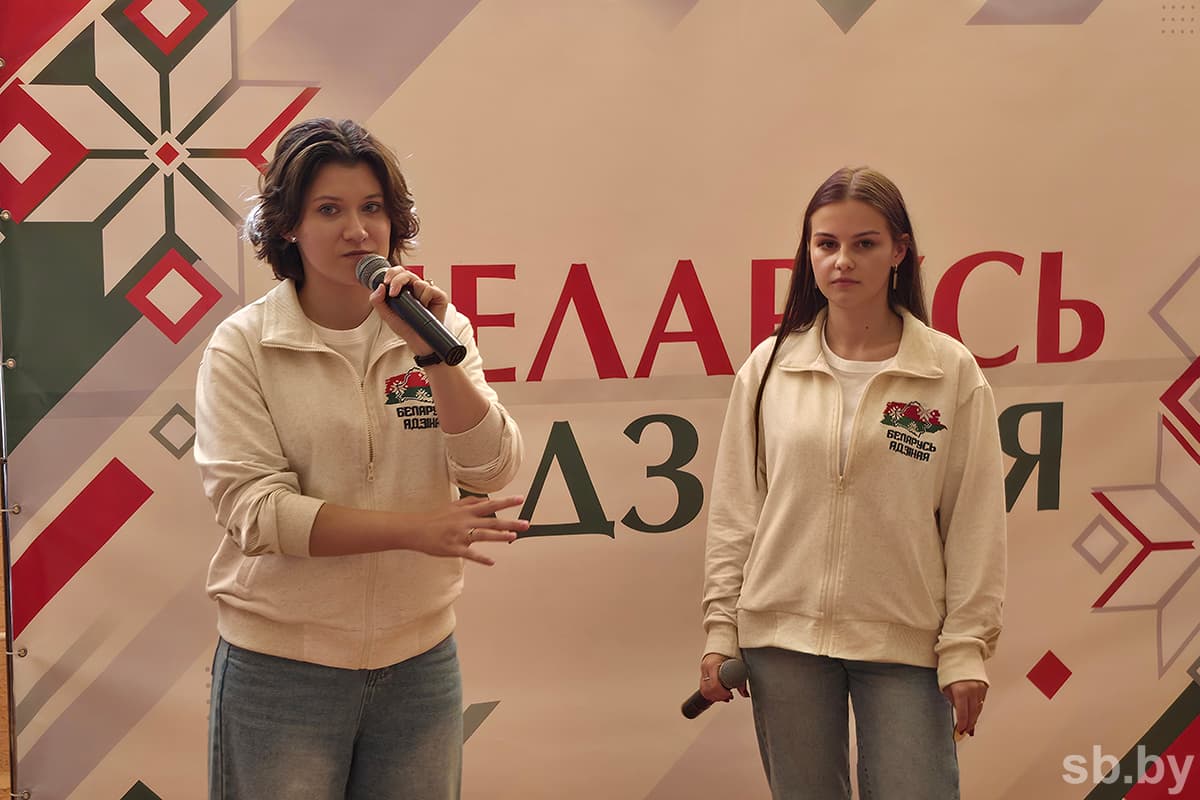
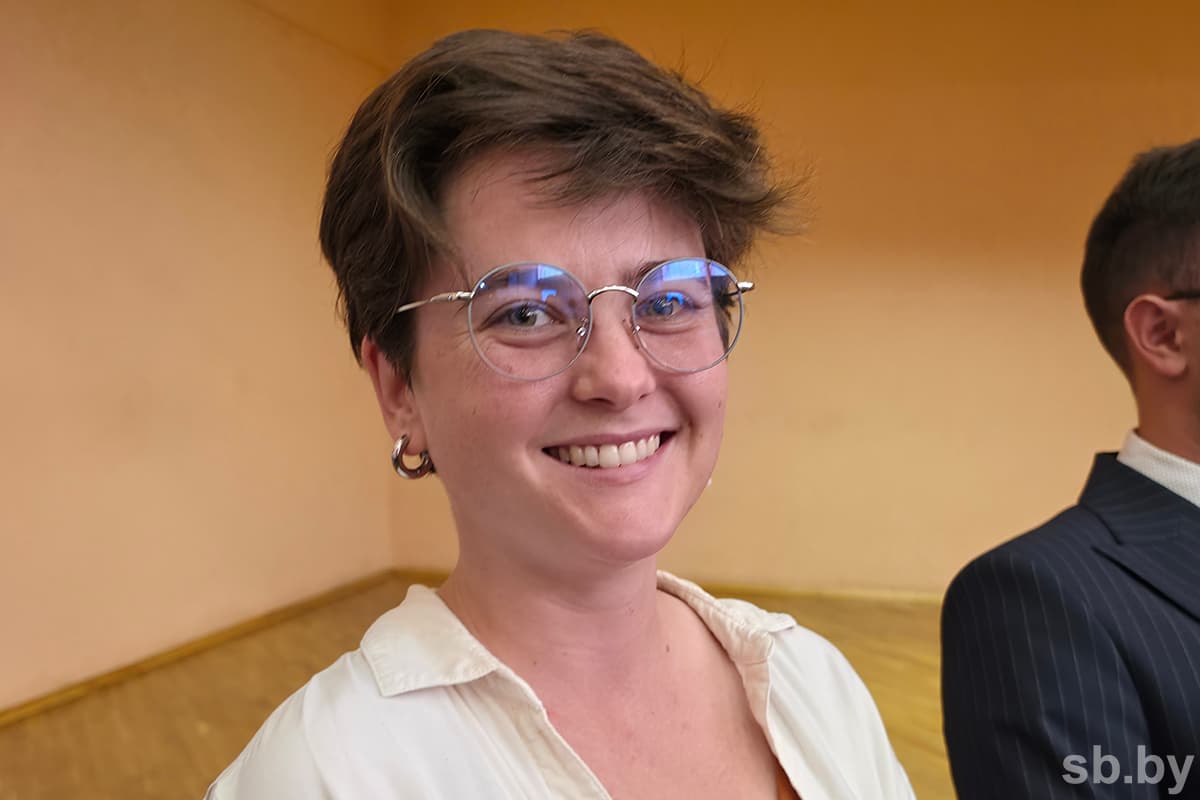
At the Berezovsky State College of Builders, a member of the youth analytical group of the ROO “White Rus” Vladislav Shatilo and a member of the Republican public association “Patriots of Belarus” Ekaterina Yukhnel spoke. They revealed key topics, offering a modern and understandable format of conversation about the value of national unity.
The history of the city of Birch is directly connected with the Day of National Unity. After the Treaty of Riga in 1921, the city came under the rule of interwar Poland. In 1934, the Polish concentration camp Berez-Kartuzskaya was established here, a place that became a symbol of pressure on the Belarusian population. For the locals, this period was a time of hardship and division.
The turning point came on 17 September 1939. The liberation campaign of the Red Army put an end to the existence of the camp, the prisoners were freed, and Western Belarus was reunited with the BSSR. For the city of Birch, this meant a return to a single state space and the end of a nearly twenty-year period of uncertainty. Today, there is a memorial complex on the site of the Red Barracks, which reminds of the cost of independence, unity and the right of the people to live in a single country.
It was to these pages of history that Vladislav Shatilo, the speaker of the event, a member of the youth analytical group of the NGO “White Rus”, addressed, stressing that the tragedy of those years was not only a historical fact, but also a personal human pain.
After the Treaty of Riga in 1921, Belarus was divided. A large part of its territory, including our city, was ceded to Poland. Imagine that you come home and find a blank wall in the middle of the apartment: on the one hand - your room, on the other - the kitchen, and relatives - mother, brother - found themselves behind a partition, to which you can not go. You can't talk, you can't hug. This is how Belarusians felt on different sides of the border. The Treaty of Riga was called a peace treaty, but it was not so for Belarus. The fate of our country was decided without the participation of Belarusians – not a single representative was invited to the discussion. More than 113 thousand square kilometers of territory and about four million people were part of another state. In Western Belarus, the policy of polonization began: people were forbidden to speak their native language, to profess their faith, to preserve their national identity. Belarusians were told to forget who they were. For any word, for an attempt to defend their rights, one could get to the Berez-Kartuzskaya concentration camp, a place that left a deep wound in the history of our people.
- National Unity Day is an important holiday for all Belarusians. It reminds us that power comes where there is unification. When people are moving towards the same goal, when they are looking in the same direction, it becomes easier to achieve results and build the future that is interesting and important to us. Young people play a huge role in preserving historical memory and shaping social values. Today, we have access to a huge amount of information, and it helps us to better understand the history of our family, our ancestors. Many children proudly carry their names, are interested in their roots, learn about what their relatives went through. This creates respect for the past and responsibility for the future. As for the values that should determine the development of the country, in my opinion, the most important thing is mutual respect. The older generation should listen to the younger generation, and the younger generation should listen to the older generation. Everyone has their own experience, their own knowledge, and only through dialogue can the right solutions be found. Peace, stability, respect - this is what makes society strong and united, - shared 2nd year student Patricia Krasavtseva.
September 17 was a memorable day, which we celebrate as a symbol of the restoration of historical justice and the unity of the people. When a country is divided, it always affects its economic and cultural development. Families are divided, part of common traditions is lost, the continuity of generations is broken. Historical memory begins to fade, because people live in different conditions and under different influences. Unity, on the contrary, helps to preserve a common history and build the future on a solid foundation. Without a foundation, the house will not stand – just as the state cannot develop without a common memory and common values. For me, Belarus is a place where people really know how to support each other. Whoever you turn to, they will always help, tell you, distract from your business. Here it is easy to feel part of the team, because our people are friendly, open and united, he said.

“Belarusians can not be divided”: the action “Belarus adzynaya” was held in the metallurgical college in Zhlobin