
Belarusian scientists are working on creating new varieties of soybeans
All over the world, soybeans are a kind of superfood. For example, in China, which is considered the leader in its consumption, it is not made of anything, starting from sauces and tofu.
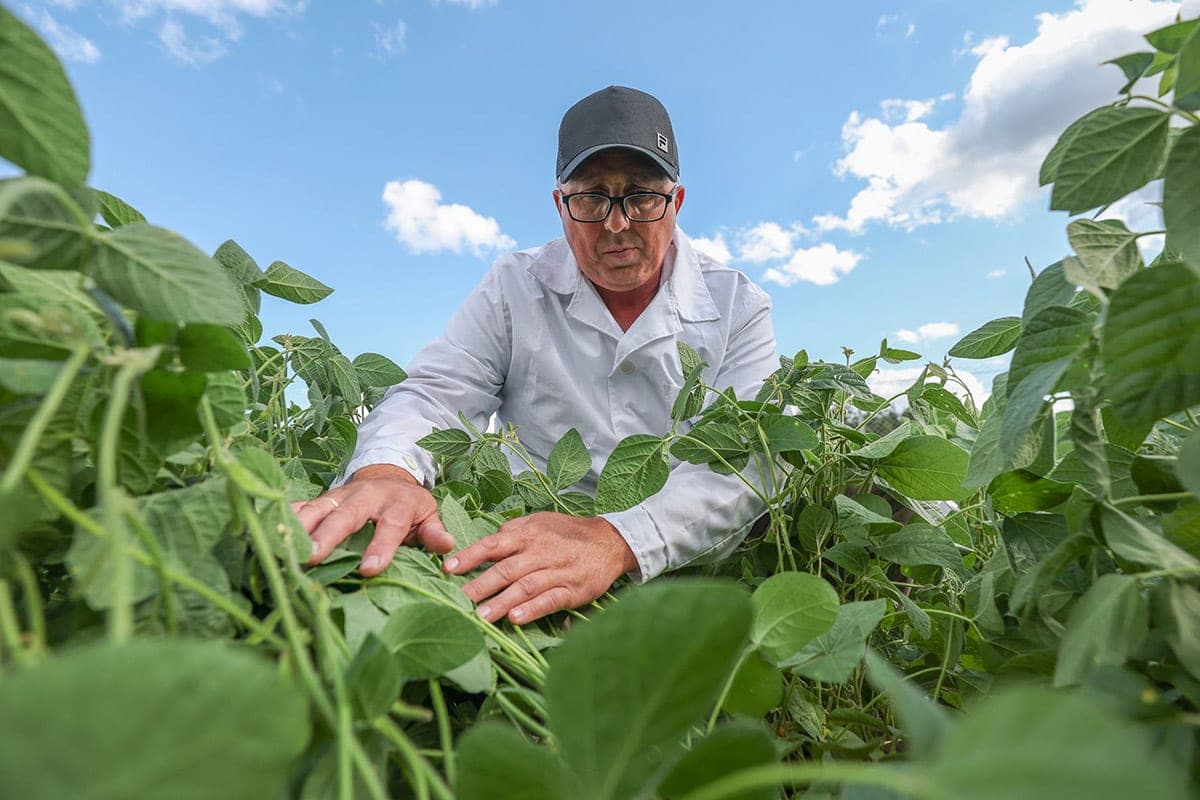
All over the world, soybeans are a kind of superfood. For example, in China, which is considered the leader in its consumption, what is not made of it, ranging from sauces and tofu to soy meat, various snacks and so on. This plant has been grown in Belarus for over 100 years. Now our soybeans are mainly for the needs of animal husbandry, but have all the prospects to occupy the food market. About what is remarkable and useful this culture, as well as stereotypes accompanying it, learned at the Institute of Genetics and Cytology of the NAS of Belarus.
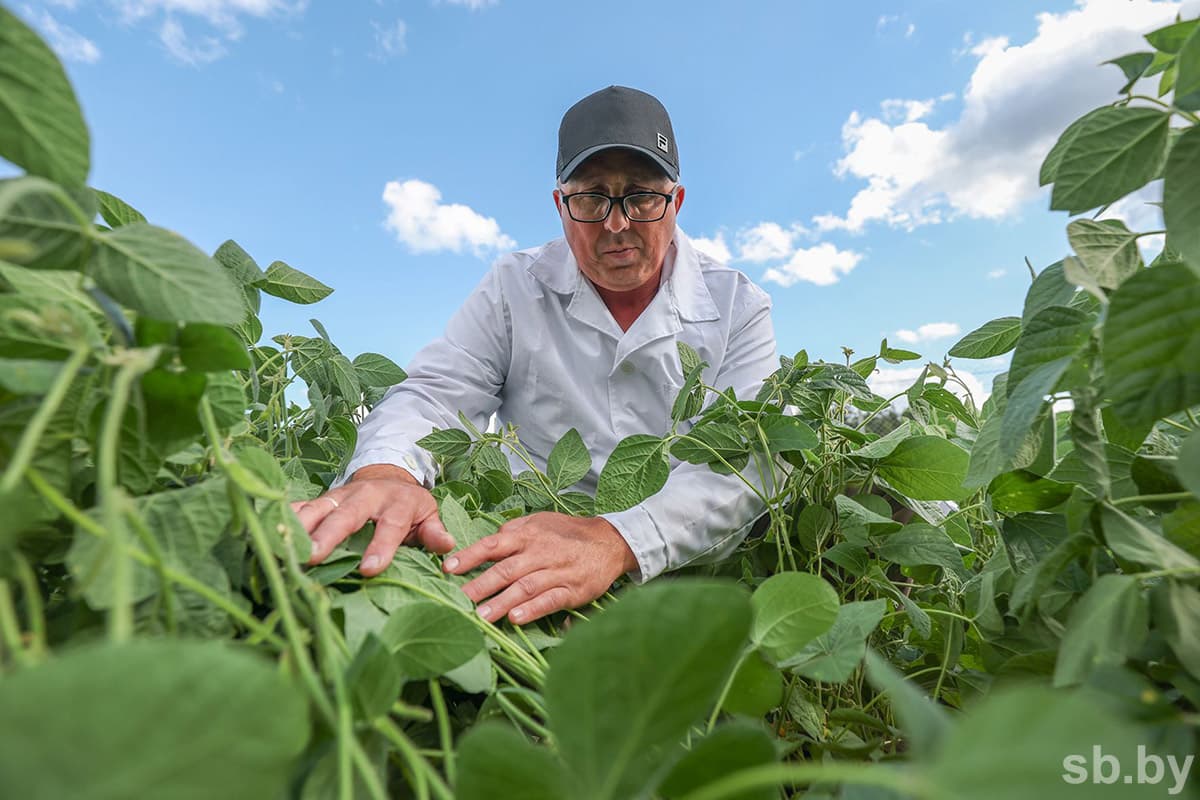
Without panic, Soybean is an annual herbaceous plant of the legume family, cultivated in more than 60 countries, on all continents except Antarctica. Products from it have long gained popularity in the world, but in the post-Soviet space it is somewhat wary. Quite often we hear skeptical statements about soy supplements, for example, in sausages. What's the reason?
- Most people who have a negative attitude to soy, as a rule, can not clearly explain their position, - says a researcher at the Laboratory of Non-Chromosomal Heredity of the Institute of Genetics and Cytology of the National Academy of Sciences of Belarus Oleg Shatarnov. - This is something from the category of fear of GMO foods: I heard a ringing, but I do not know where it is. Personally, I see the influence of two factors: illiterate marketing and dishonesty of producers, who once (say, in the 1990s) could overdo the content of soybeans in sausages, trying to reduce the cost of production. Currently, Belarusian products are a brand whose quality has no complaints. But, obviously, the injury in the consumer remained, and not everyone has enough time and competence to study the issue in detail.
To begin with, now almost half of the processed products in the food industry contain soybeans in one form or another. Here, in fact, there are only two options: either it, or food additives with the index E40 (group of stabilizers, thickeners and emulsifiers). Such substances are used to form the desired consistency, for example, so that the sausage does not fall apart, mayonnaise does not layer, and ice cream has a homogeneous texture. Soy lecithin has similar properties.
Lecithins are a group of fat-like substances consisting of phospholipids (esters containing phosphoric acid) and triglycerides – simple fats that are the main source of energy for the body. In large quantities, these substances are contained in egg yolks, are present in fish, meat, vegetable oils (canola, corn), sunflower seeds, peanuts, wheat germs and soybeans.
- In the human body, lecithin is part of the cell membrane of absolutely every cell, is present in the myelin sheath of the brain, the specialist continues. That is, for us it is not some extraneous, outlandish component, but a familiar and necessary substance. Soy lecithin is one of the easiest and cheapest to manufacture, so it is most common and now found literally everywhere: from mayonnaise and sweets to shampoos and masks. That's the whole thing. Since soy protein is almost 80-90% similar to animal protein, has a very high digestibility and water solubility - up to 90%, most often it is added to meat products. Without soy lecithin, minced meat, for example in boiled sausage, would simply collapse. Plant with perspective
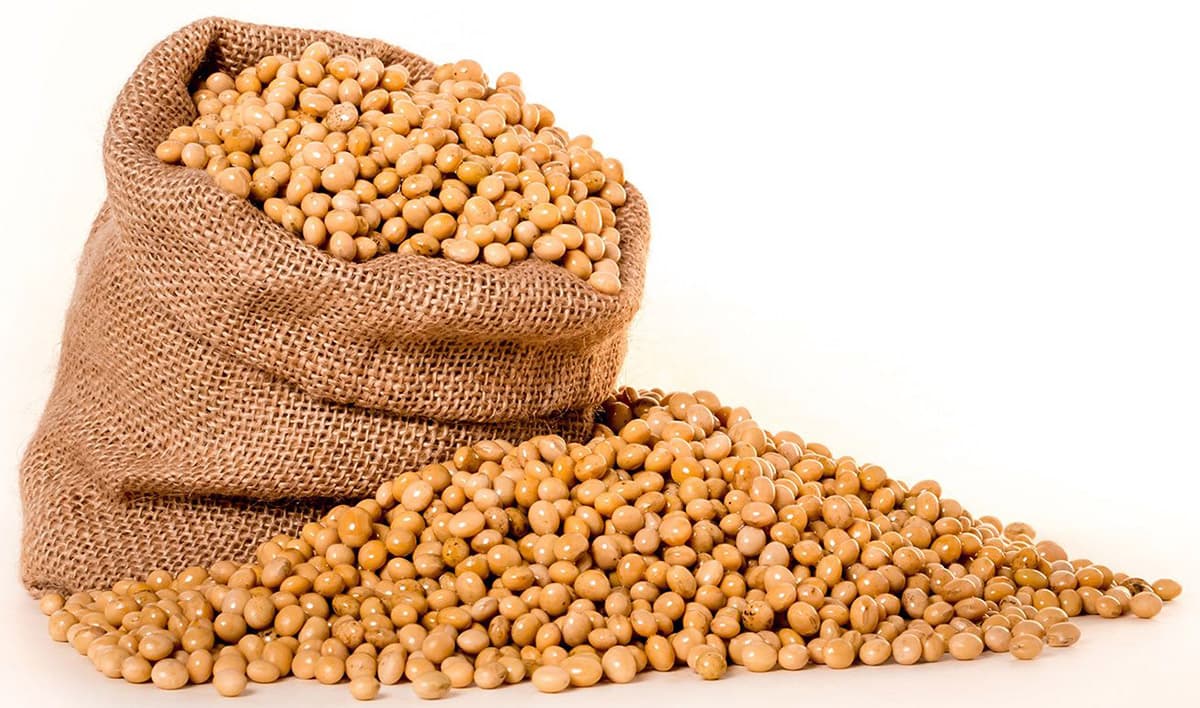
pixabay.com In our country, soybeans have been grown since the late XIX century, and on an industrial scale since the 1990s. Culture traditionally goes to mixed feed. Corn and soy silage in comparison with corn will be able to increase milk yields of cows by 1-2 kg per day, the fat content in milk by 0.2%, protein by 0.5%. Soy lecithin is purchased abroad. However, if there is a need to organize import-substituting production, scientists are ready to assist farmers. Moreover, we have enough zoned varieties (that is, specially bred for the conditions of Belarus).
- In the republic for 2026, 30 varieties of soybeans are registered, of which 14 are domestic breeding, the expert informs. Work in this direction has been actively conducted since the late 1980s. By the way, the first Belarusian varieties of soybeans were created at the Institute of Genetics and Cytology. The most common variety in the post-Soviet space is “Pripyat”. In Russia, it is grown from Kaliningrad to the Far East due to its stable harvest and high protein content. There are also varieties of soybeans “ressa”, “bird”, “good”. In 2024, the soybean variety “vasilisa” was included in the state register, which is quite premature and has a high yield potential. On average in the country, the crop shows a yield of 15 c / ha, easily explained by the insufficiently debugged technology of cultivation in farms, although this is far from the limit.
Now the Institute of Genetics and Cytology of the National Academy of Sciences of Belarus is working on two projects on soybeans within the framework of state programs: studying the cold resistance of varieties, their ability to germinate at low temperatures and withstand short-term frosts at the initial stages of development, and using molecular markers we establish a link with a high protein content in soybean varieties.
Recently, the area under soybean in Belarus has grown significantly. If in 2020 it occupied about 2.5 thousand hectares, then in 2024 - already 11.2 thousand hectares. Both the warming of the climate (soybeans are very thermophilic) and the interest of the Head of State played into the hands. At Dazhynki-2024 in Polotsk, Alexander Lukashenko urged farmers to grow soybeans more actively: We spend hundreds of millions of dollars on the purchase of these feeds – we buy a huge amount of soybeans from abroad. Why are we not cultivating here?”.
“The interest in soybeans among farmers has really grown, which cannot but please scientists,” says Oleg Shatarnov. This is a culture that requires strict adherence to cultivation technologies, but at the same time gives a high return. With proper selection of seed material (and we can get such advice) can yield more than 30 centners per hectare. I would like to note that all Belarusian varieties are developed taking into account our climate and daylight conditions, with the so-called neutral photoperiod. After all, soy loves the sun, and with us, let’s say, it doesn’t matter. Taking into account the above and competent scientific support, it is no more difficult to grow soybeans than corn. With cows and other farm animals, everything is clear - they eat soy with appetite and are satisfied. What about people?
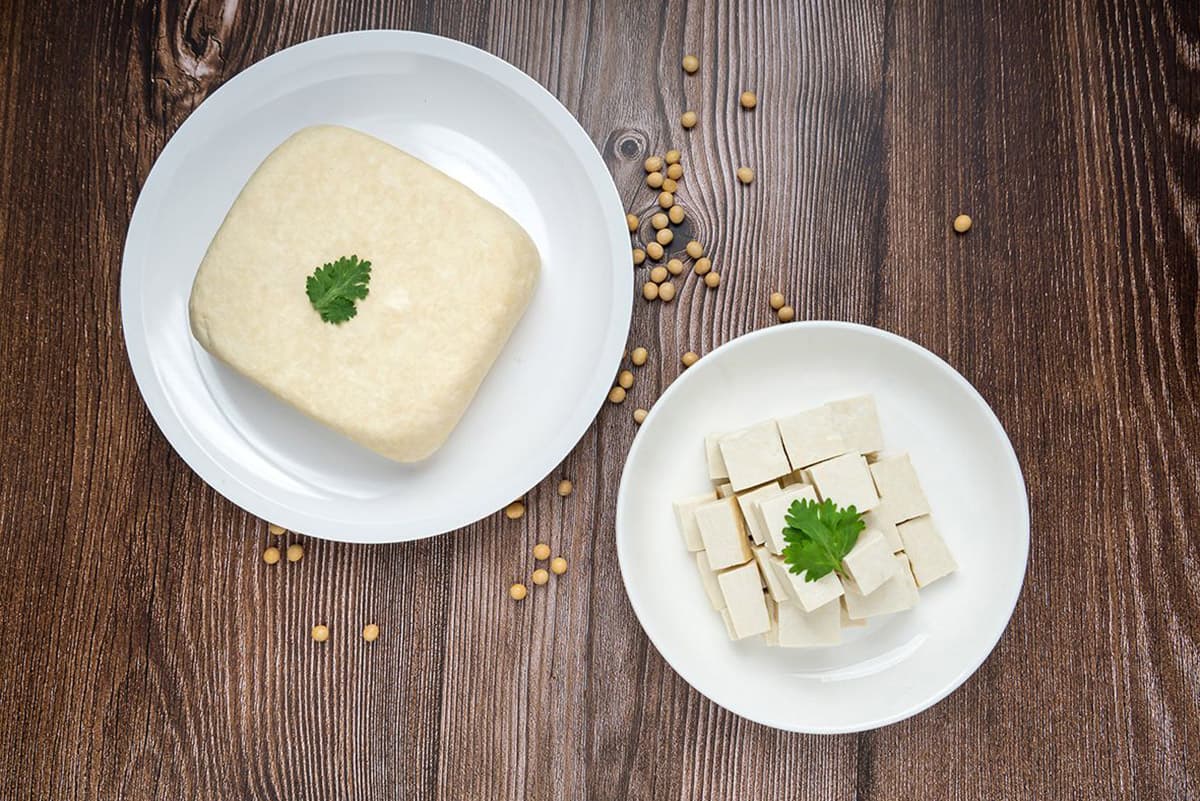
- In terms of nutritional value, soy is unique, since it contains almost the entire set of macro- and microelements, is a source of full-fledged plant protein, for which it is very appreciated by fans of vegetarianism and a healthy lifestyle, the scientist shares information. In soybeans there are vitamins of group B (B1, B2, B3, B6, folic acid), vitamin E, as well as minerals: potassium, magnesium, iron, calcium, zinc, phosphorus, manganese. These substances are involved in the work of the nervous system, metabolism, hormone synthesis, hematopoiesis and other processes. Soy helps lower “bad” cholesterol (LDL) and increase “good” (HDL) levels, which reduces the risk of atherosclerosis, heart attacks and strokes. And since it has a low glycemic index, it does not cause sharp jumps in blood sugar. Of course, like any product, it has certain contraindications, but in general it is very useful.
By the way, our Belarusian soybeans are already actively mastered by various cafes of Asian cuisine, including in the capital. It makes delicious tofu and other foods. So there are prospects for this culture in the food market of the country. Maybe we'll figure something out, why not?
bebenina@sb.by


