
Young family support center conducts systematic prevention of cyberbullying in schools and colleges of Arkhangelsk
Since the beginning of the year, workshops have been attended by about 200 students and schoolchildren of Pomorye
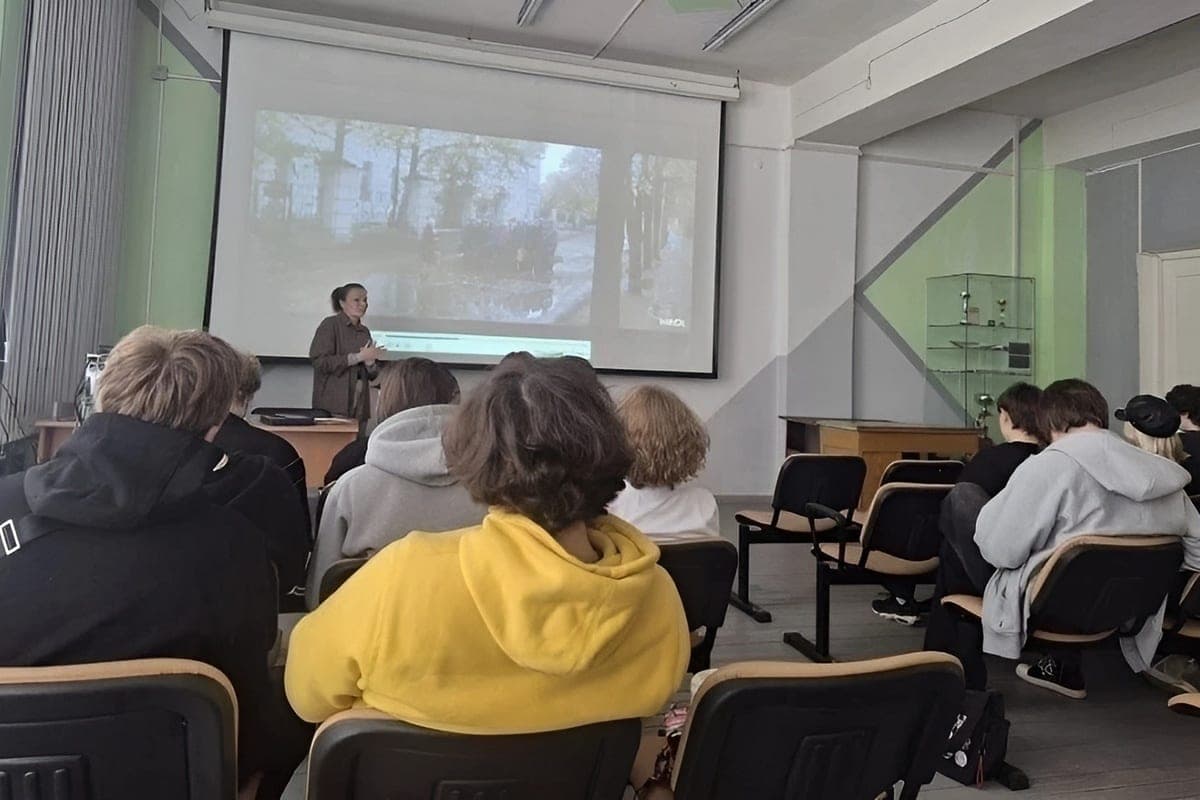
Since the beginning of the year, workshops have been attended by about 200 students and schoolchildren of Pomerania. Classes are held within the framework of the national project “Youth and Children”. The next seminar “No to cyberbullying” was held at the Arkhangelsk College of Construction and Economics.
The psychologist of the center Tatiana Pilipenko explained to the participants the difference between cybermobbing, cyberbullying and cyberstalking, and also analyzed such forms of aggression as hat comments, doxing, flaming, griffing and fake accounts. According to her, cyberbullying is dangerous around the clock, anonymity, speed of spread, the effect of the witness and the irreversibility of the digital trail.
The specialist gave recommendations when faced with bullying: do not respond to the aggressor, save screenshots, block the offender, complain on platforms, seek support from loved ones, teachers or psychologists, and in case of security threats – to law enforcement agencies. The psychologist advised witnesses not to remain indifferent, support the person and report the situation to adults.
In addition to the seminar “No to cyberbullying”, in educational institutions of Arkhangelsk there are classes “I am not” about the problems of bullying – in an interactive format, participants develop empathy, learn to manage emotions and look for constructive behavior patterns.
Yuri Marich, Head of the Arkhangelsk Region Youth Affairs Agency, noted that prevention of bullying and cyberbullying is an important part of working with teenagers and youth: the digital environment has become an integral part of life, so it is important for young people not only to know the rules of safe behavior on the Internet, but also to understand the consequences of their actions for others. The task of specialists is to help recognize aggression, correctly respond to bullying, not to remain indifferent and timely seek support, as well as to form a culture of respectful communication and skills for constructive conflict resolution.


