
Sergey Krasnyi: “The power of positive thinking cannot be underestimated: it can save the world!”
The name of this famous oncologist is known to the entire medical scientific community not only in our country, but also far beyond its borders. He is also recognized in his face and...
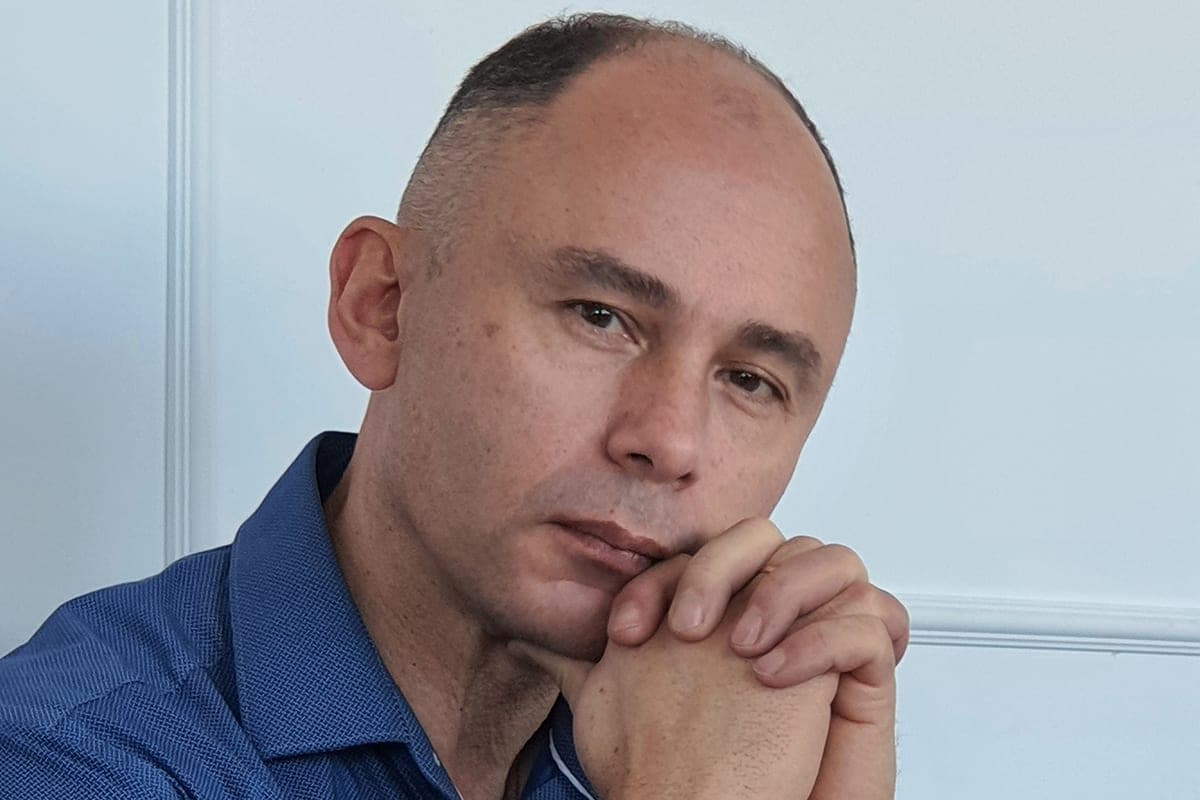
The name of this famous oncologist is known to the entire medical scientific community not only in our country, but also far beyond its borders. And he is recognized in the face and does not tire of thanking thousands of rescued patients. Today, over a cup of tea in the "Narodnaya Gazeta" - one of the youngest academicians of the NAS of Belarus, Doctor of Medical Sciences, Professor, Deputy Director of the RSPC of Oncology and Medical Radiology named after N. N. Aleksandrov Sergey Krasny. On the eve of his anniversary, our guest gave a candid interview about the role of chance in choosing a profession: he told why at the very beginning of his career he wanted to quit his job, how he almost risked his career for the sake of a patient, and admitted what phrase radically changes our lives for the better.
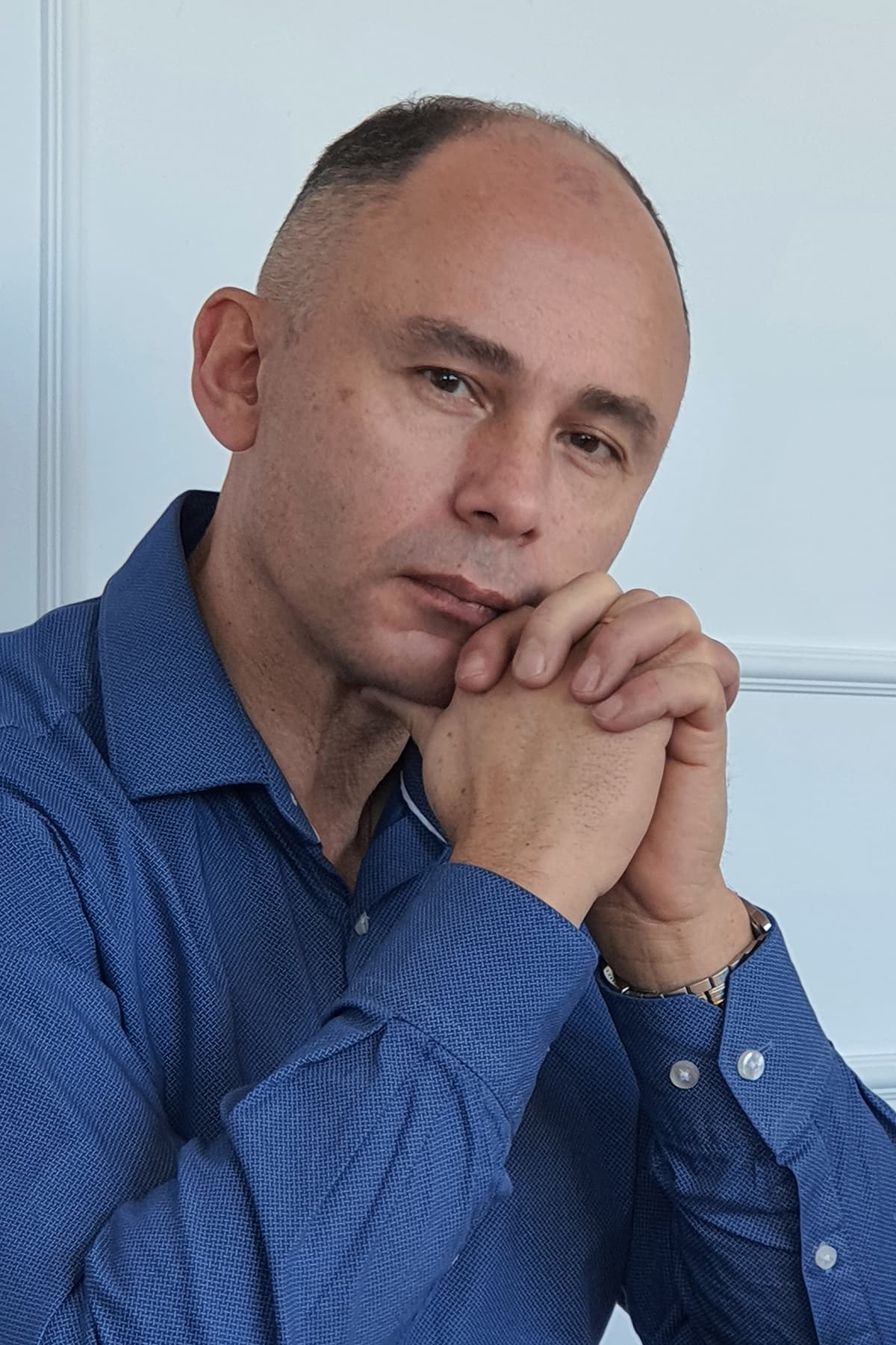
Transferring talent by inheritance — Sergey Anatolyevich, you have almost 40 years in the profession — a worthy example of devotion to your favorite business. But given the specifics of the work of an oncologist, it is hard to believe that over the years you have never regretted that you took this difficult path.
- Really? No, I never regretted it. Probably because he consciously chose the university and specialization. Although it would be more correct to say - listened to the most authoritative opinion of his grandmother Olga Gavrilovna. I was born into a family of hereditary soldiers, and all my relatives, except her, expected me to continue my professional dynasty. But my grandmother, when I was in high school, said, "No, you can't be a military man, you're too kind!" She advised me to go to the doctor. My choice for my parents was a disappointment at first. But then, over time, they already proudly said that their son is a scientist, an oncologist.
Of course, there were times when I wanted to quit. Especially in the first years of work at the Institute of Oncology - this is the beginning of the 90s. A very difficult time: there was no diagnostic equipment, a constant shortage of drugs. Cancer was detected in patients, usually as early as stage 3 or 4, when it was almost impossible to help. Because of the lack of ultrasound devices, people only went to doctors when they felt or saw their tumor. No wonder so many patients died in those years. We worked in terrible conditions: in the operating room 40 degrees heat and 100 percent humidity, windows to the south, there are no blinds in sight. Surgeons put robes on the naked body and stood barefoot on the concrete floor to make it at least a little easier. I remember how they wrapped bandages on my head so that my eyes would not flood later
In the same unbearable conditions were the patients after the operation – in the stuffy hot rooms, with frequent bleeding. No more than 20% were cured of a malignant tumor. Where did we, the doctors, get our optimism, remains a mystery to me to this day. What about the patients and their relatives? Working at night was like working in a field hospital. And even the planned quiet home evening or night after work shift was too often interrupted by hospital calls. My older children watched this and unanimously declared that they were not in medicine. But the younger daughter was more lucky: when she grew up, there were completely different realities, the work of a doctor ceased to be associated with daily tests for strength, the science of oncology was rapidly developing, giving people more and more chances to stop considering cancer as a sentence, and Masha decided to follow in her father's footsteps - she entered BSMU. I am immensely happy with this: I really want to pass on my experience, my knowledge, everything that I know, to which I went with such difficulty.
- Does your family feel disadvantaged because of your work?
- I believe not. I am very lucky in life to feel the cohesion of close people. There is a saying: “Behind every outstanding man is an outstanding woman.” This is about my wife, who is also a doctor. But to her unconditional support, I will add the support of children and parents. It is our most beloved relatives who give us psychological stability, self-confidence and the desire to develop. Centipede - mascot of scientific breakthrough - One of the most significant results of your scientific activity is the development and implementation of reconstructive-restorative operations after removal of the bladder, when an artificial analogue is created from the intestine. Why did you decide to focus on this direction?
- Not least because at the beginning of my career, it was one of the most insidious tumors, which was fatal in 90% of cases. I saw things in those years that I don’t want to remember. But one incident that ended in a happy ending was forever etched into memory. Probably because it cost me my career. And also because it was thanks to this example that I realized that even when the forecasts are the most disappointing, there is always a place for a miracle in medicine, which means that you need to try, you need to work, you need to give people a chance. About a quarter of a century ago, a 40-year-old man with advanced bladder cancer entered our department. The condition is severe - bleeding, hemoglobin - 60 grams per liter, kidneys crushed by a huge tumor almost fail. Urgent surgery is needed. Although doctors understand: cut out the tumor - the patient is still doomed to death within a year. At the same time, with this condition of the patient, it is strictly impossible to carry out bladder plastic. What about? We, young and ambitious, decided to take risks. And at night, taking advantage of the fact that the head of the department Oleg Grigoryevich Sukonko (who later became the director of the RSPC) was at home, they performed a complex surgical intervention - they removed the affected bladder and replaced it with an artificial one. When the leadership learned about this in the morning, our team of brave men was in danger of being fired. The only thing that saved the hopeless patient survived all the predictions to spite! He regained his health, earned an artificial bladder, there was no recurrence of cancer. Now he is 65+, he is still regularly observed in the RNPC. And proudly carries a huge scar on his stomach in the form of a centipede (the consequence of several urgent operations for complications). I have repeatedly offered to get rid of him with the help of plastic surgery, but every time he refused, said that it was his talisman.
Today, more than 2,500 artificial bladders have been created throughout the country, the five-year survival rate in such patients has increased by 2-2.5 times! This is the subject of my own great pride. In addition, we trained our colleagues from the CIS countries in this technology, even German doctors came to us to learn from this experience. At home, they slightly modified the method, and one of the operations was called “Minsk-Cologne Spider”. Summing up this topic, I will say that, according to the international statistical center Globocan, in Belarus, the mortality rate from bladder cancer is one of the lowest in the world: 1.5 cases per 100,000 population. This is a grandiose result, such we have not had in any of the localizations of malignant tumors.
Of course, some patients die from the progression of an aggressive tumor. But that means they were given years of life after the operation. They do not quickly go away from complications such as pyelonephritis or kidney failure, as before, when 80% of the operated patients had a fatal outcome within a year after removal of the bladder. No, these people now survive to metastasis and are treated with radiation, chemotherapy. I think it is also important to stay on this Earth for three years, five, seven years
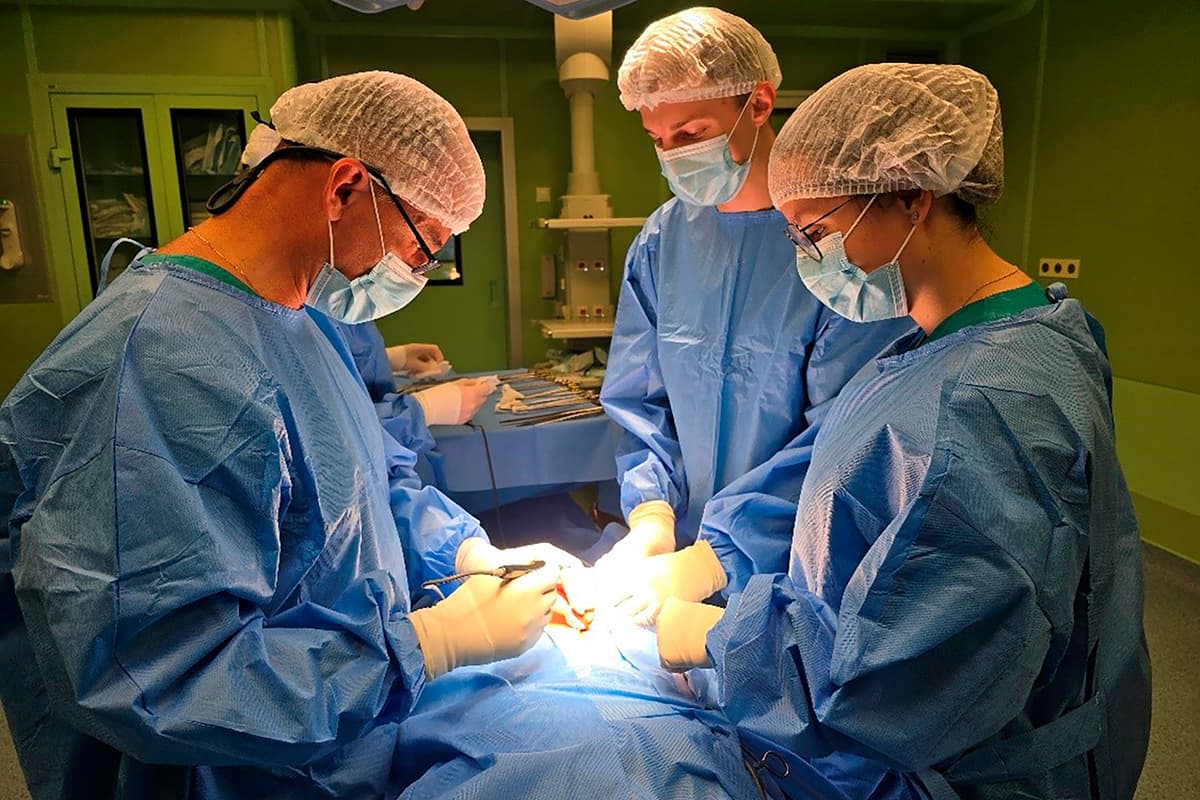
Relaxation in extreme mode – Let’s talk about the ability of an oncologist to cope with stress, relax after a hard day’s work. What do you need to do in order to cheer up, put your nerves in order and regain an optimistic mood?
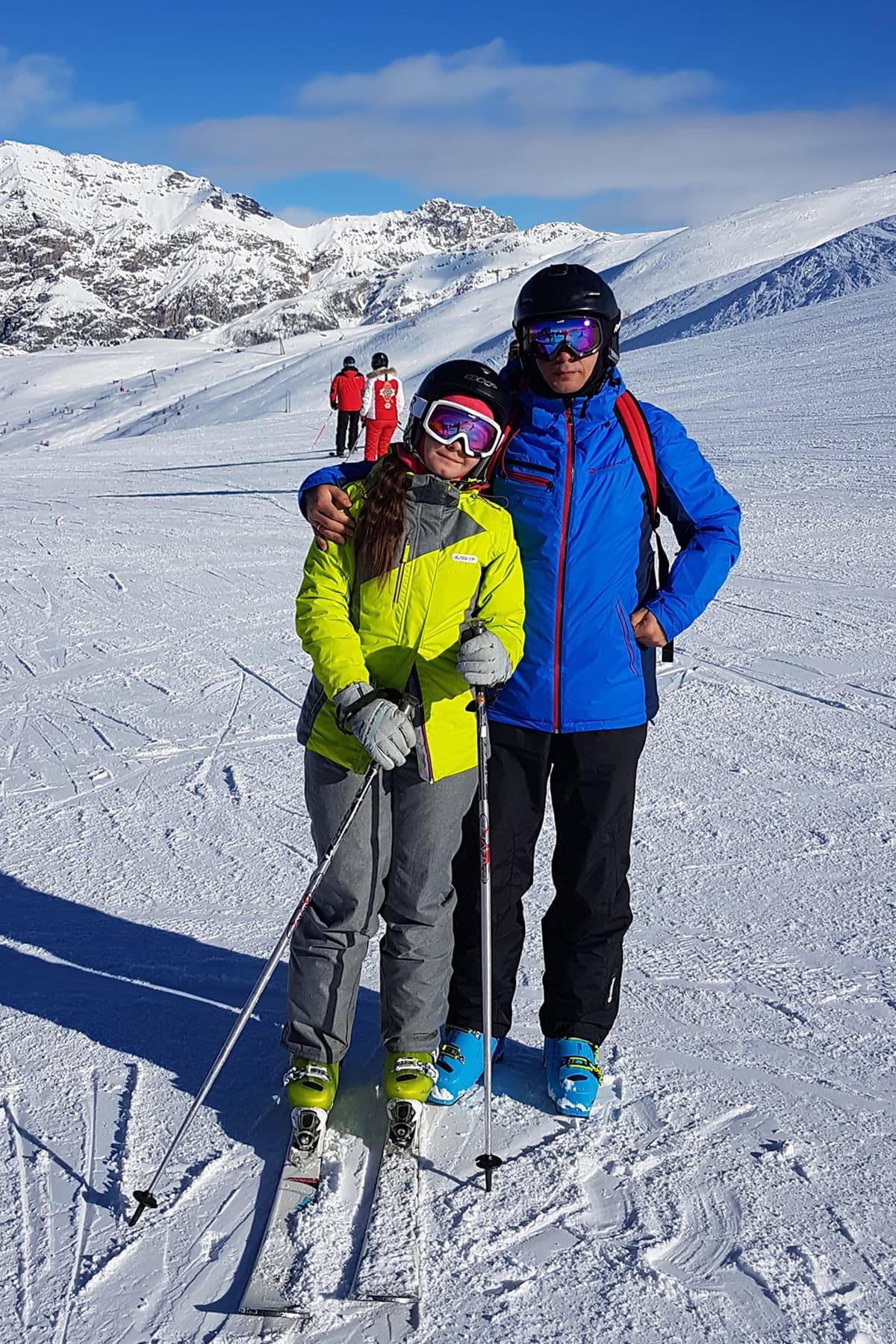
- There are many ways to cope with stress. Depends on the situation. For example, I like to play extreme sports. I'm going to the mountain skis and go on the black tracks. Although I have a huge number of injuries, but I can not stop in this hobby. It's adrenaline. It's a release of negative energy. But over time, I started to drive more carefully. Because one thing - a fracture in 20 years, quite another - almost 60.
Another good option to relax after a week of work is scuba diving, cycling. Physical labor is also not canceled: when you live in a private house, the housework will always find you, you will not escape from it. I am lucky that my husband is engaged in beds, I am relieved of this honorable duty.
- What about a barbecue under a cup of tea on weekends?
- This case is certainly tasty, but if you get carried away with it and “kebabs” every weekend, it is extremely useless: regular consumption of heavily fried red meat is one of the main triggers of colorectal cancer. So it is better to listen to music, preferably classical. Alexander Anisimov, an outstanding Belarusian conductor, instilled in me a love for the symphony orchestra. I like opera, too. I like to read a good book before going to bed - journalism, a fascinating novel (why not?), depending on the mood. Sometimes I can go back to Jules Verne. Due to age, the perception of the plot is completely different, which is also important. Well, I do not ignore serious literature: I like Archibald Cronin, Atul Gawande and many others.
Television, I confess, I don’t like to watch it. But the classics of Soviet cinema - the comedies of Ryazanov, Gaidai, Danelia - are timeless. With a new chapter
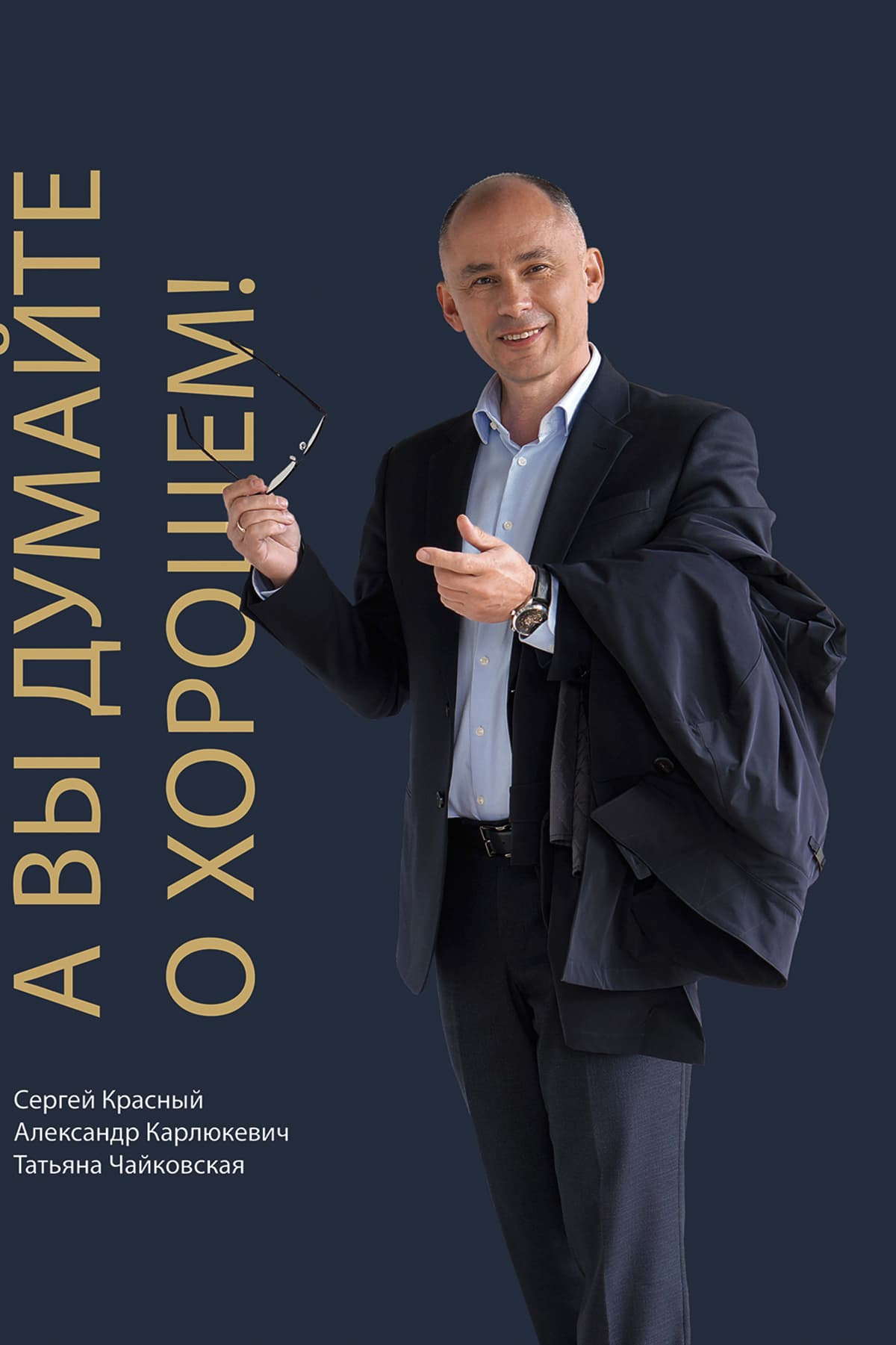
- She was born, I will tell you right away, not me. There is just such a good tradition: every academician for his 60th anniversary should write a biographical book listing his merits and works. Such works are usually very similar to each other, they are given to colleagues, relatives, acquaintances. I wanted to break the established system a bit and bring more personal and less official to my work. As a result, an amazing team of authors formed: I was joined by the Chairman of the Union of Writers of Belarus Alexander Karlyukevich and the head of the literary editorial office of the publishing house “Belarus” Tatiana Tchaikovsky (by the way, this is the publishing house where my book is published). And then a couple of dozen people pulled up: my school and student friends, my dear colleagues and comrades, including the former director of the RSPC Oleg Grigoryevich Sukonko, the current head Sergey Lvovich Polyakov, head of the department of the organization of anti-cancer fight Pavel Ivanovich Moiseev and many others. They wrote their little essays with their vivid impressions. Plus, of course, a lot of my thoughts, stories, examples, a huge number of photos. And when all this was summed up, it turned out to be a completely unique book. Immediately, my artist friends joined the work, who decided that such a creation should be decorated properly, and stunning illustrated reversals appeared.
- The title of the book is “Think of the Good!” Is that your motto?
- You could say that. But actually, most of the time I address it to my patients. Because when a person is faced with a big problem in the form of cancer, he is usually in a state of shock. And immediately imagines the end of life, and he has not yet had much to do. We begin to discuss the upcoming surgery and treatment plan, and the person asks the question: “What if there is an adverse outcome?” That is, he is already setting himself up for negativity. I always say, “Think about the good!” This simple phrase radically changes everything: the patient sets himself and his family for the best. And the universe responds often, very often. Over time, I noticed that this phrase is also important for the attending physician, for the surgeon. Especially when there is a difficult operation with minimal chances of success. How many patients have we literally pulled out of the world because we thought good things, believed them, set ourselves up for the best of all possible scenarios!
The power of positive thinking cannot be underestimated. In every sphere of life. Especially when it comes to health. In our RSPC, gradually this magical phrase began to say everyone - from doctors to our nurses. And I think these words can save the world, along with love and beauty. There is a time to live and a time to die. Many people think that the best departure to the other world is sudden, when you do not suffer, do not become a burden for loved ones. What do you think of it as someone who, by virtue of profession, communicates with many hopeless patients and their families?
- My opinion is a great blessing when you have time to complete your earthly path with dignity, to put things in order, to indicate your last will, to say goodbye to loved ones. For me as a believer (and I was baptized consciously at the age of 36), it is frightening to leave suddenly. When I talk to the relatives of a hopeless patient, I always tell them that the remaining weeks or months are necessary for them to be together, to let go of all offenses, to forgive each other. And very, very many, even those who at first take these words into bayonets, then come and thank: yes, it was very important to spend time together, to tell a loved one what is important, which could have remained unuttered if death came unexpectedly
KSTATI
This week Sergey Krasnoy was awarded the honorary title of Honored Scientist. The state award at a solemn ceremony organized in the Palace of Independence on the eve of the Day of National Unity was presented by the President of Belarus Alexander Lukashenko.
THEME
Sergey Krasny recalls a curious and extremely instructive story when he, and at the same time the entire medical community of the RSPC OMR, had to go against the criticism of the West and ask the President for support:
- A fierce confrontation with the WHO began in 2007, when we saw that the results of prostate cancer treatment are extremely unsatisfactory due to the high neglect. Most often, we identified stage 4, and less often – stage 3, that is, when there were already symptoms. This is due to the peculiarity of our men: they do not go to the doctor if nothing disturbs. And for prostate cancer, if something's bothering you, it's already a neglected case. Began to introduce screening and preventive examinations. They created a group of leading experts, I was appointed the head. We called WHO experts. But instead of aid, the bans began: in their opinion, we acted contrary to world practice.
In the end, I had to address the head of state. He listened, told us to do our job, and the sanctions that we have already threatened, he will take over. And we went our own way - we conducted a pilot project. Cancer diagnosis improved 10 times. The proportion of detected cases at an early stage has almost tripled. And that's only in the first round of screening. Subsequent results were even better. The President’s support played a key role in making it work. Today, the five-year survival rate after radical prostate cancer treatment is 97%!
lvk@sb.by
Photo from the family archive of Sergei Red


