
Grandfather's cries on November 7, what not to do on this day and what signs are associated with the holiday
According to the national calendar, November 7 is celebrated Dedovskie laments - a day dedicated to the memory of deceased relatives and loved ones. This date is associated with the customs of commemoration, visiting cemeteries, helping the needy and special beliefs.
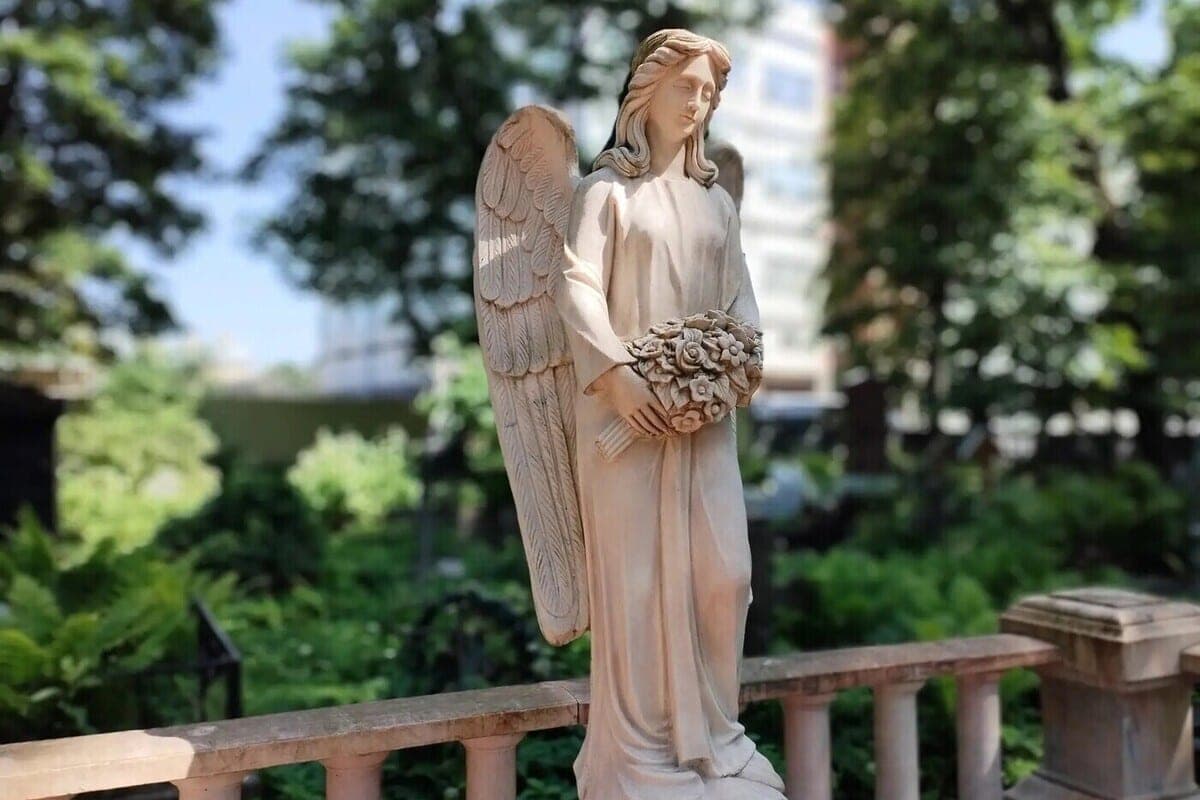
According to the national calendar, November 7 is celebrated Dedovskie laments - a day dedicated to the memory of deceased relatives and loved ones. This date is associated with the customs of commemoration, visiting cemeteries, helping the needy and special beliefs. In the Orthodox tradition, this day falls on the Dimitri Parent Saturday - a time of special commemoration of the dead.
One of the main traditions was visiting cemeteries. People put in order the graves of relatives, strengthened crosses and fences, lit church candles and prayed for the repose of souls. Folk customs also mention memorial food that was brought to the graves. Eating and drinking in the cemetery was considered unacceptable.
After visiting the graves, families gathered at home at a memorial table. The hostess cooked kutya, jelly and dishes that the deceased relatives loved. According to one belief, at the table left free space for the souls of departed loved ones. The dead were remembered with a kind word, talked about their deeds and merits. The remaining bread and crumbs were given to the needy or birds.
On this day, special attention was paid to those who found themselves in a difficult situation. It was accepted to support orphans, the poor and the disadvantaged. Injuring or deceiving an orphan was considered a particularly serious offense.
The name is associated with the custom of ritual crying. According to popular beliefs, women and girls began to lament in the morning. First, they remembered their own experiences and grievances, and then mourned their deceased relatives. It was believed that this ritual helps to express the accumulated sadness and longing.
In some places there was another custom: people went with icons to the river or in the field to appeal to the dead with a request for a good harvest.
With Dedovskie crying associated observations of the weather and nature. According to popular beliefs, dim stars foreshadowed cold and bad weather, and a strong wind - prolonged bad weather. Morning fog, by contrast, was considered a sign of rapid warming.
If there were still leaves on the trees by this time, a long winter was expected. And heavy snow on November 7 was associated with a good harvest next year.
A number of prohibitions were associated with Dedovsky crying. It was not recommended to arrange noisy holidays and cheerful feasts: it was believed that this could offend the souls of deceased relatives. Neither should the dead be scolded or remembered with condemnation.
According to some beliefs, women should not cry in the pillow, so as not to bring on themselves disturbing dreams. They were also not advised to propose, get married and play weddings. Merchants were forbidden to eat bread, and those who traded grain were forbidden to move to a new place.
In the Orthodox calendar, November 7 is Demetrius Parental Saturday, a day of special commemoration of the dead. The church also remembers the martyrs Marcian and Martyrius and righteous Tabitha.
Folk traditions and signs of this day are primarily associated with the memory of departed loved ones, family commemoration and care for those who need help.


